







Do you actually need a smart lock in Malaysia? Doors and gates
Smart lock Malaysia buying guide covering the Aqara D200i, U400 and U200 Lite, plus door thickness, battery failure and what your condo management allows.
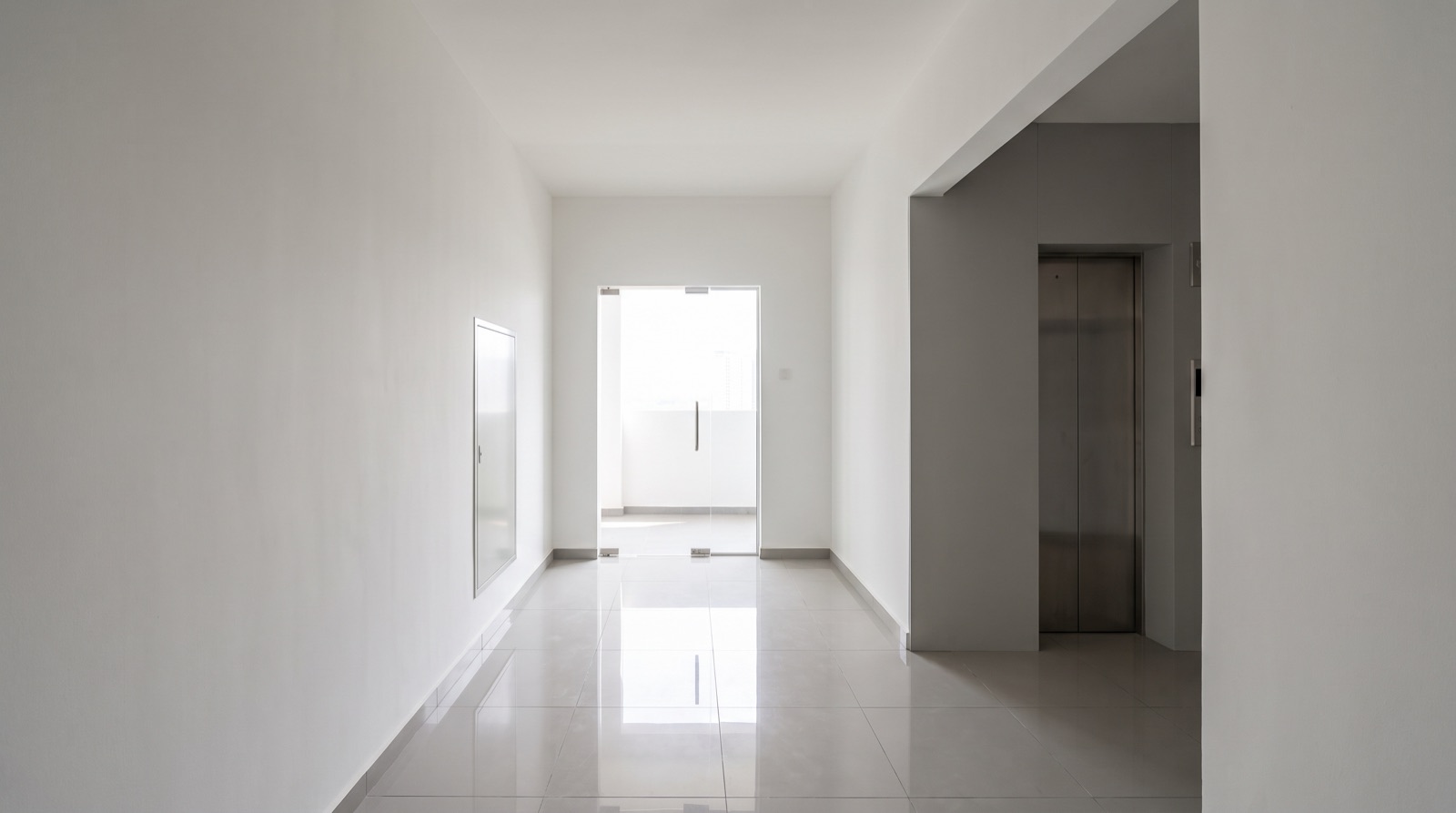
Answer up front — Your management corporation or joint management committee has a legitimate say over anything that touches common property: the main door, the facade, the car park gate, the corridor, the riser, the common-area power and the external cabling. Inside your own tenancy, most of it is your business — but a smart lock on the main door sits exactly on the line, and that is where residents get refused. Get the answer in writing from the committee, not a verbal yes from a facility manager on a Sunday.
This is practical guidance, not legal advice. Strata and management matters are governed by your building's own documents and by the law, and both change. If a decision has money or a dispute behind it, get a professional opinion rather than relying on a blog post — including this one.
Almost every argument about smart home in a Malaysian condo comes down to one question: is this inside my tenancy, or is it common property?
Common property is the parts of the building the owners collectively own and maintain — the structure, the facade, the main entrance, the corridor and staircases, the car park and its gate, the water tanks, the risers, the common-area electrical and data cabling, the water heater serving the common areas, the landscape, the guardhouse. Your tenancy is the private area behind your front door, the balcony, and the parking bay you have exclusive use of.
| Item | Whose decision | Why |
|---|---|---|
| Smart switches, lights, blinds and sensors inside your unit | Yours | It is your private area and your wiring |
| Your own smart lock on your own front door | Yours, but check first | Check whether your building has a specific lock, gate or access rule |
| Smart lock or access control on the main door | Management's | Common property, and it controls who enters the building |
| Smart lock on the car park gate or a side gate | Management's | Shared access, shared risk, and often a system that already exists |
| Changing a corridor light to a smart fitting | Management's | Common-area power, and someone else pays for the electricity |
| Drilling into a common wall, chase or riser | Management's | Structure and common property |
| Running your own cable through a riser or along a common corridor | Management's | It is their riser, and it needs to be recorded |
| A camera on your own balcony or unit door | Yours, but the positioning rules are not only yours | Neighbours and common areas are involved the moment the view crosses them |
| Your own Wi-Fi router position | Yours | It is your supply, your device |
| A hub, repeater or gateway in a common area or ceiling void | Management's, or shared | Common property, and it will outlast your tenancy |
| Adding devices to the building's existing intercom, CCTV or access control system | Management's | Someone else's system and someone else's credentials |
The pattern to notice: it is not "expensive versus cheap" and it is not "smart versus not smart". It is whose asset, whose wall, whose electricity, whose riser, and whose liability.
Two reasons, and the second one is the one that hurts.
The first is obvious. If you drill into a common wall without permission, restore it at your cost, and the committee invoices you for the repair plus an administration fee, that is a real bill on a Tuesday.
The second is the one nobody expects. The maintenance and access record. If you change a common-area item and it is not written down, then when the building needs to replace it, upgrade the access system, or sell the block, nobody knows what is installed, who maintains it, and who holds the credentials. A smart lock on a main door that nobody has a record of is a security problem, and the building will deal with it by removing it. If your home automation depends on something the committee later strips out, your scenes break with no warning and no one to call.
So the request is not really asking for permission to own a device. It is asking to be legible.
A verbal yes from a facility manager is worth very little, and it is not a criticism of them — a facility manager is usually the wrong person to give it, and they know it. What you actually need is a decision from the committee, recorded.
How to do it, in order:
What to expect on the common areas. A committee will usually be far more receptive to a resident-installed, resident-maintained, resident-removed device with no effect on the building's own systems than to anything that touches their equipment. Say explicitly that your device is independent and does not connect to the building's network, CCTV, intercom or access control. That single line removes a large share of the objections you will otherwise get.
If they say no, you will usually get one of three reasons. Each has a different response.
"It affects the building's access control system." Then the answer is not to fight it, it is to go around it: choose a device that stands alone and does not need to integrate with the existing system. Ask the question directly in your request — does my lock need to integrate with the building's intercom or access control? Often the answer is no, and the objection dissolves.
"It's in the by-laws." Then read them, find the clause, and work out whether it actually covers what you are proposing. By-laws about fit-out, renovation and structural alteration are common. By-laws about a specific device on your own front door are rarer than people assume. If you cannot find a clause that covers it, say so politely and ask which part of the document they are referring to.
"It's the committee's decision and the committee said no." Then you have a decision you could take up, and the route is a formal request to the committee for reconsideration, with your reasons in writing. The people to approach are the ones who own the units, not the people who manage them. Take it to the annual general meeting if you have to — that is where decisions of this kind actually get made.
This is the most common single refusal in this whole area, so it is worth being concrete.
First, get the refusal in writing and ask for the reason. "Not allowed" without a reason is not something you can argue with; "the building's access control is integrated and a third-party lock would break it" is something you can work around.
Then decide what you actually want. A smart lock on a main entrance is a different request from a smart lock on your own front door, and residents often conflate them. If the refusal is about the main door, the realistic path is: wait for the building's own access control upgrade, and in the meantime keep a mechanical key, a keypad, or a coded entry that does not integrate.
If the refusal is about your own front door, check three things: whether your building has a stated lock standard in its house rules, whether your strata title or tenancy deed imposes any condition on alterations, and whether the door is common property with a tenancy benefit. That last one is real in some developments — the front door can be part of the common property with exclusive use granted to the unit, and that changes who can authorise work on it. This is exactly the point where you stop reading blog posts and talk to a lawyer or a strata professional.
Practically, the fallback that usually works: improve the entry without altering the door. Better lighting at the entry, a video doorbell inside your own unit, and a wireless door sensor that tells you when the door opens. Most of the benefit, with far less of the permission problem.
There is a real opportunity here that residents miss, because they assume smart home means "in my unit".
The corridor, the lobby, the car park, the gate and the staircase are where a building actually has a problem: lights burning all night in an empty corridor, a gate left open, a car park nobody can see into, a water tank nobody monitors. Those are the things residents complain about at every AGM, and they are all common-property items — so they need a committee decision, which is a much higher and more legitimate bar than a resident fitting a sensor in their own hallway.
If your building is stuck in that argument, the useful contribution you can make as a resident is a proposal with numbers on it: what you want, where, who pays, who maintains, what it costs the maintenance budget per month, and what happens at the end of the building's life for the equipment. A committee can say yes to that. It cannot easily say yes to "someone installed something in the corridor".
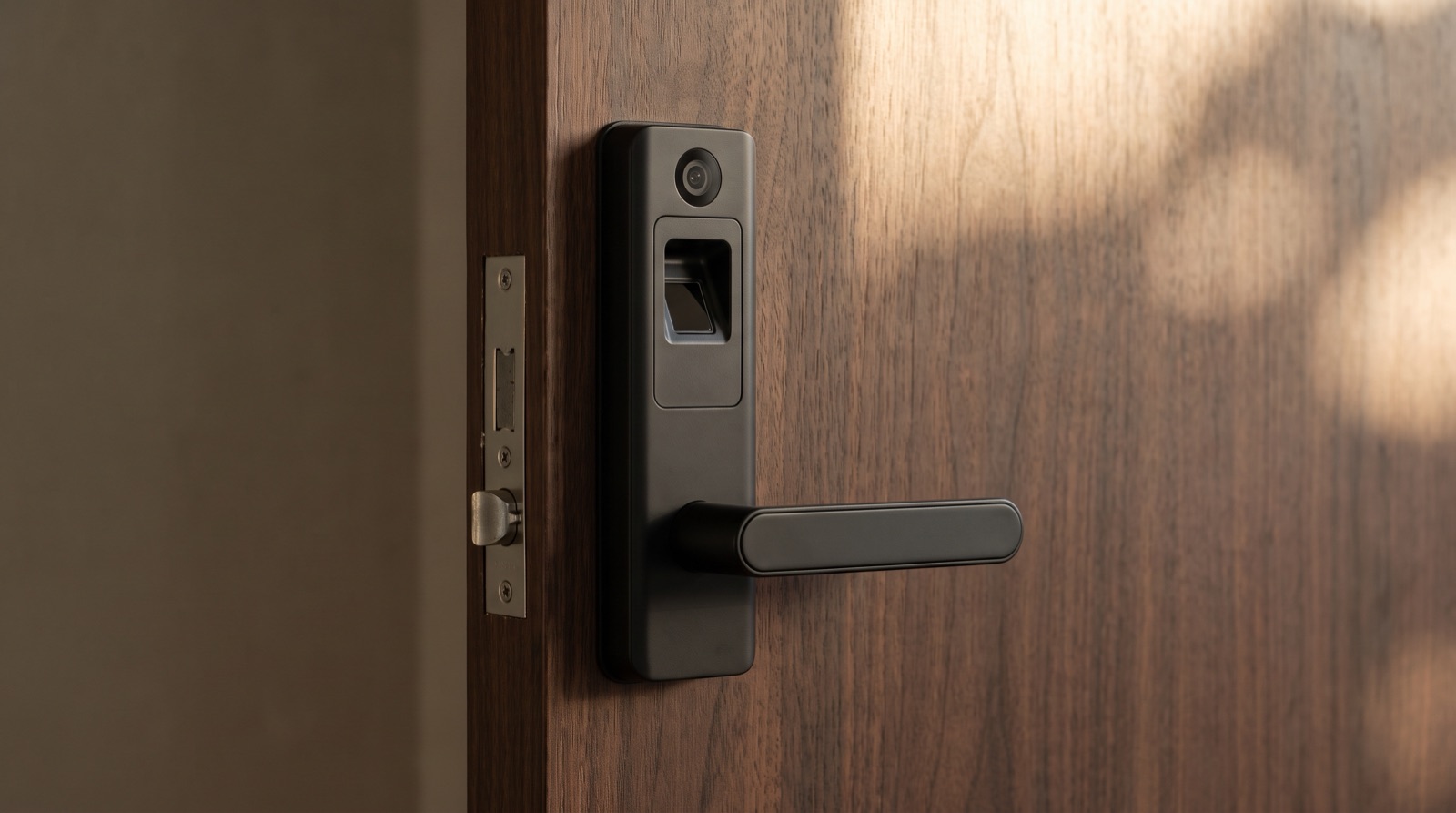
Smart lock Malaysia buying guide covering the Aqara D200i, U400 and U200 Lite, plus door thickness, battery failure and what your condo management allows.
Smart home integration for condo property management in Malaysia — monitoring, remote control, account linking via the Aqara API, and the ST and PDPA realities.
Condo smart home handover spec for Malaysian developers: the neutral, the network points, the back box depth and the panel position to write into the drawings.
Tell us about your space. Our B2B team will reply within one business day with a recommended setup and quotation.
WhatsApp us →
[email protected]
+603-5880 5486