







Smart home integration for condo property management in Malaysia
Smart home integration for condo property management in Malaysia — monitoring, remote control, account linking via the Aqara API, and the ST and PDPA realities.
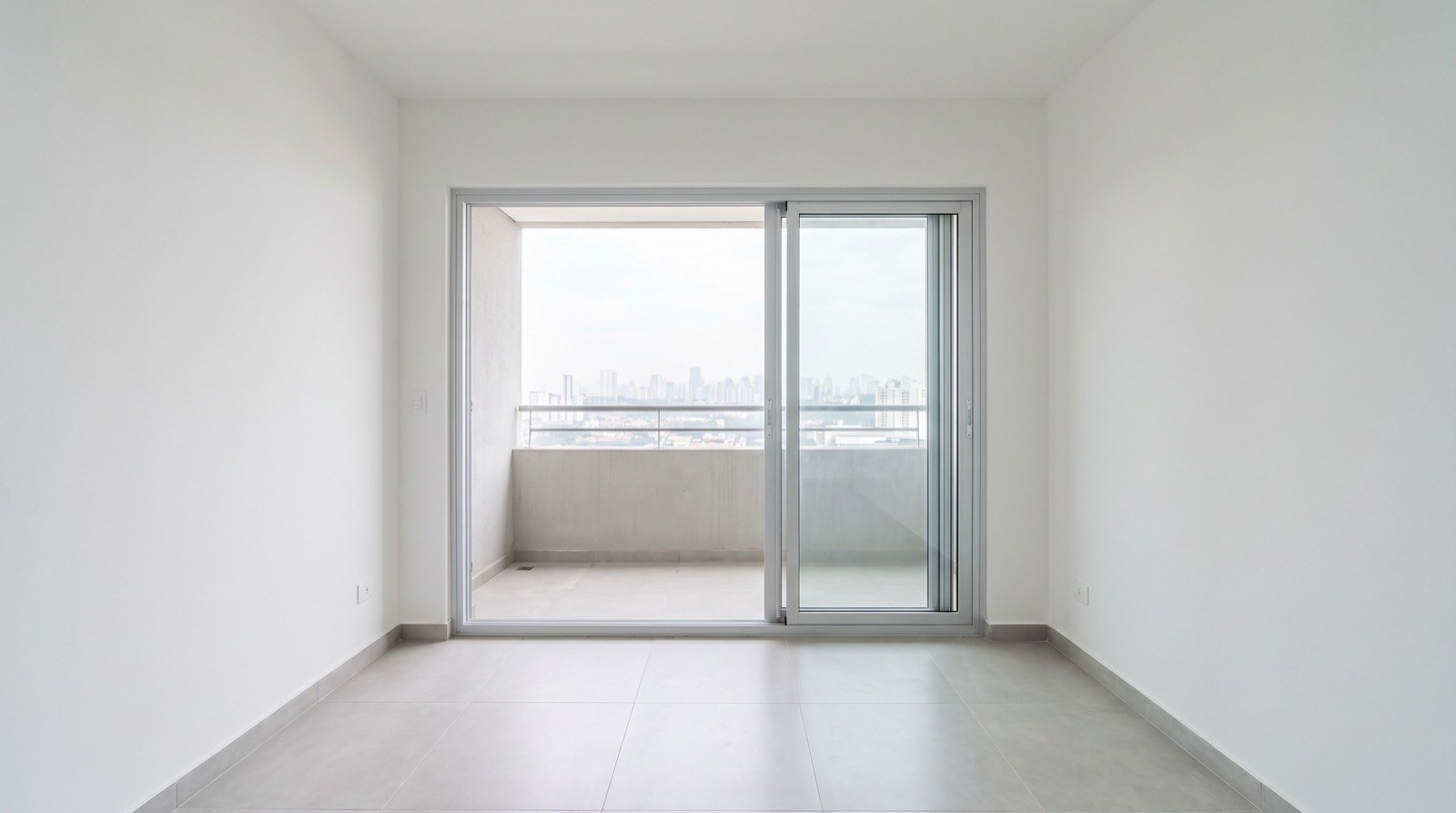
Answer up front — Specify smart-home infrastructure while the walls are still open and the cost is close to nothing. Specify it later and you are chasing walls, reopening shallow back boxes and paying a wireman to do it in an occupied home. Four things decide it: a neutral conductor at every switch position, network cable at fixed points, a back box deep enough for the module, and somewhere to put a panel.
Malaysian lighting is wired loop-in at the ceiling rose. Live and neutral both arrive at the light point; only a switch wire — the switched live — drops down to the wall. The switch box therefore has live and switched live, and no neutral. A conventional smart switch needs a neutral to power its own radio, microcontroller and indicator LED when the load is off. So the single most common smart-home retrofit in Malaysia is not a purchase. It is a wall.
During construction, pulling a neutral to six switch positions is cable and labour already on site. Six months after handover it is chasing, making good, painting, and a registered wireman in a unit with a family living in it. That is the whole argument, and it is not a close call.
Use this as a line-by-line item. Hand it to your MEP consultant and your electrical contractor before the first wall is closed.
| Item | What to specify | Why it matters |
|---|---|---|
| Neutral at switch positions | Neutral conductor present at every intended switch position | Without it, no conventional smart switch can power itself when the load is off |
| Loop-in retained | Lighting still looped in at the ceiling rose | Retains the option of a relay module at the light, and keeps normal dumb switches viable |
| Back box depth | Depth sufficient for a smart module plus existing conductor tails | Malaysian back boxes are often shallow; a module that does not physically fit is a return job |
| Network cable | Cat 6 to defined fixed points, not "somewhere near the router" | Hub placement is the single decision that cannot be fixed later without chasing |
| Gate and front door positions | Network and power at the access control and doorbell points | Doorbells and locks are network devices; powering them later means another visit |
| Camera positions | Network and power provision at lobby, gate, corridor and carpark positions | Common-area cameras have their own PDPA obligations — provision first, decide policy later |
| Panel position | A defined, accessible position for any wall controller or control panel | A panel is a product decision buyers care about; the wall position is a construction decision |
| Hub position | Central, powered, wired, not dependent on a mesh extender | A hub on 5GHz Wi-Fi in a corridor is a support call waiting to happen |
| Labelling | Circuits and network points labelled at the DB and at both ends | Nobody can maintain what they cannot find |
Ask for: "neutral conductor terminated at the switch back box for all designated smart switch positions." Write it into the electrical drawing, not into an email. Malaysian homes are not internally consistent — one house can have a neutral at the kitchen switch and none at the bedroom switch because different parts were wired or altered at different times, and a new development has exactly the same problem if the drawing is vague.
This is the item that catches projects that did everything else right. Specify a box that will take the module and the conductor tails without crushing the cable. Aqara's Panel Switch S100 (MP-K04D) is an 86mm box, 8.6cm, available in three-gang grey or white with Wi-Fi and Apple HomeKit. Note the gang count: match the module to the switch being replaced, and confirm the plate fits the existing back box before ordering.
Minimum: the hub, the panel, and the weak point. Practical: also the front door area and the main living space. Do not run everything from the DB box and expect Wi-Fi to carry it.
The number to hold in your head is 128 — a hub can control up to 128 related devices. A typical condo fit-out with lighting, sensors, locks, curtains and a couple of aircon circuits sits well under that. A whole tower does not, and treating a tower as one hub is the classic shared-infrastructure mistake.
Buyers search for this immediately after handover. You will not find a defensible number for how many, how much uplift, or what percentage of buyers care — so we are not going to quote one. Ask the team if you need a figure, and be suspicious of anyone who gives you a clean ROI percentage without a source.
What can be said without a statistic:
Write the logic into your sales collateral. Do not write a number you cannot defend.
If you use the phrase, define it. A defensible definition:
Mains work must be done by a wireman registered with Suruhanjaya Tenaga, under the Electricity Supply Act 1994 (Act 588). For a developer this is a programme-level question: is the neutral being pulled by the main contractor under the original scope, or is it being treated as a variation that every buyer pays for separately?
Check that any mains-powered product carries a SIRIM label and Energy Commission approval. And be clear internally about the risk you are carrying if you let this be done informally — a botched neutral is a fire and shock risk, and DIY mains work can void home insurance if it causes damage.
A few things belong in the handover pack, not in a drawer:
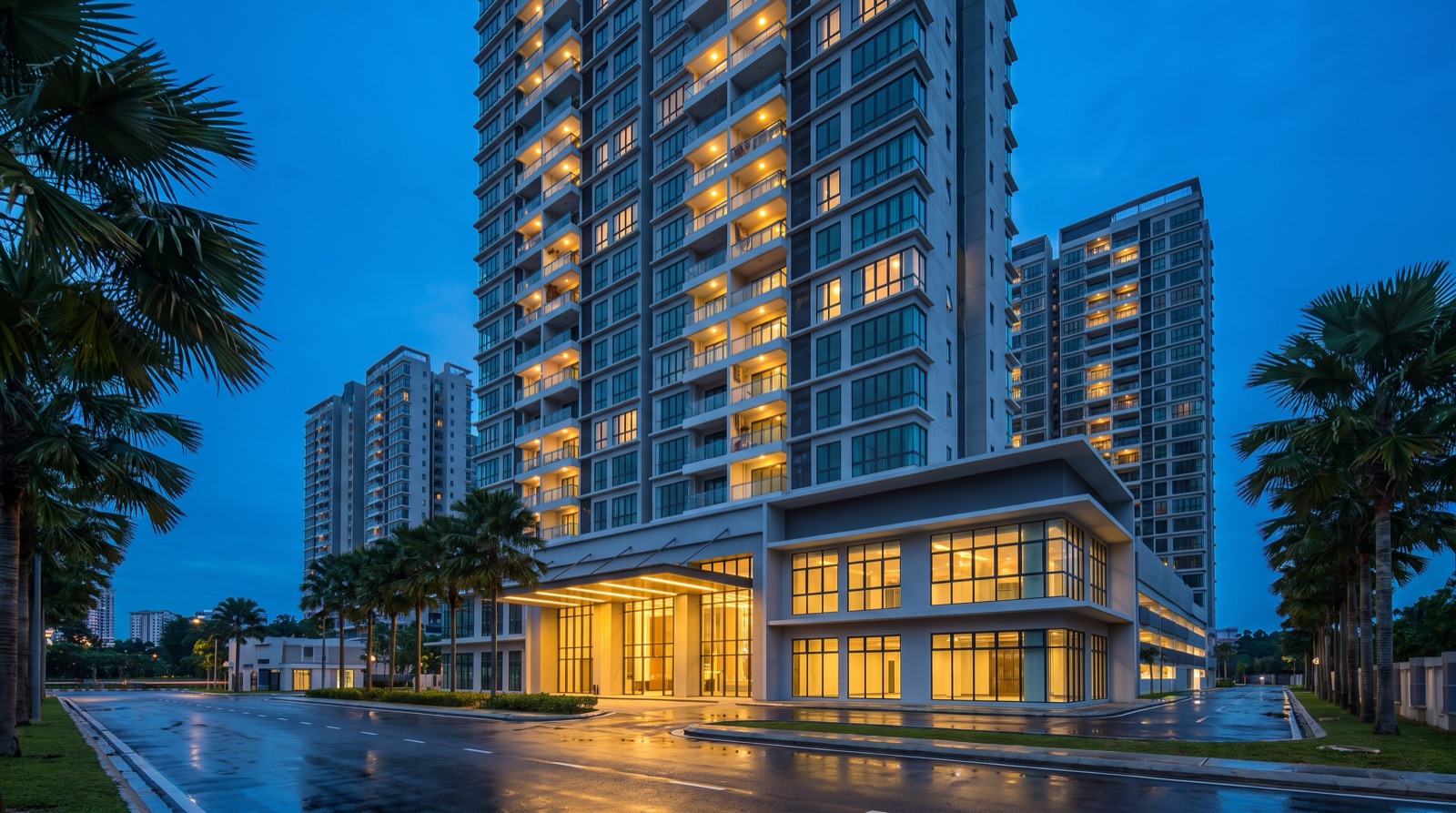
Smart home integration for condo property management in Malaysia — monitoring, remote control, account linking via the Aqara API, and the ST and PDPA realities.
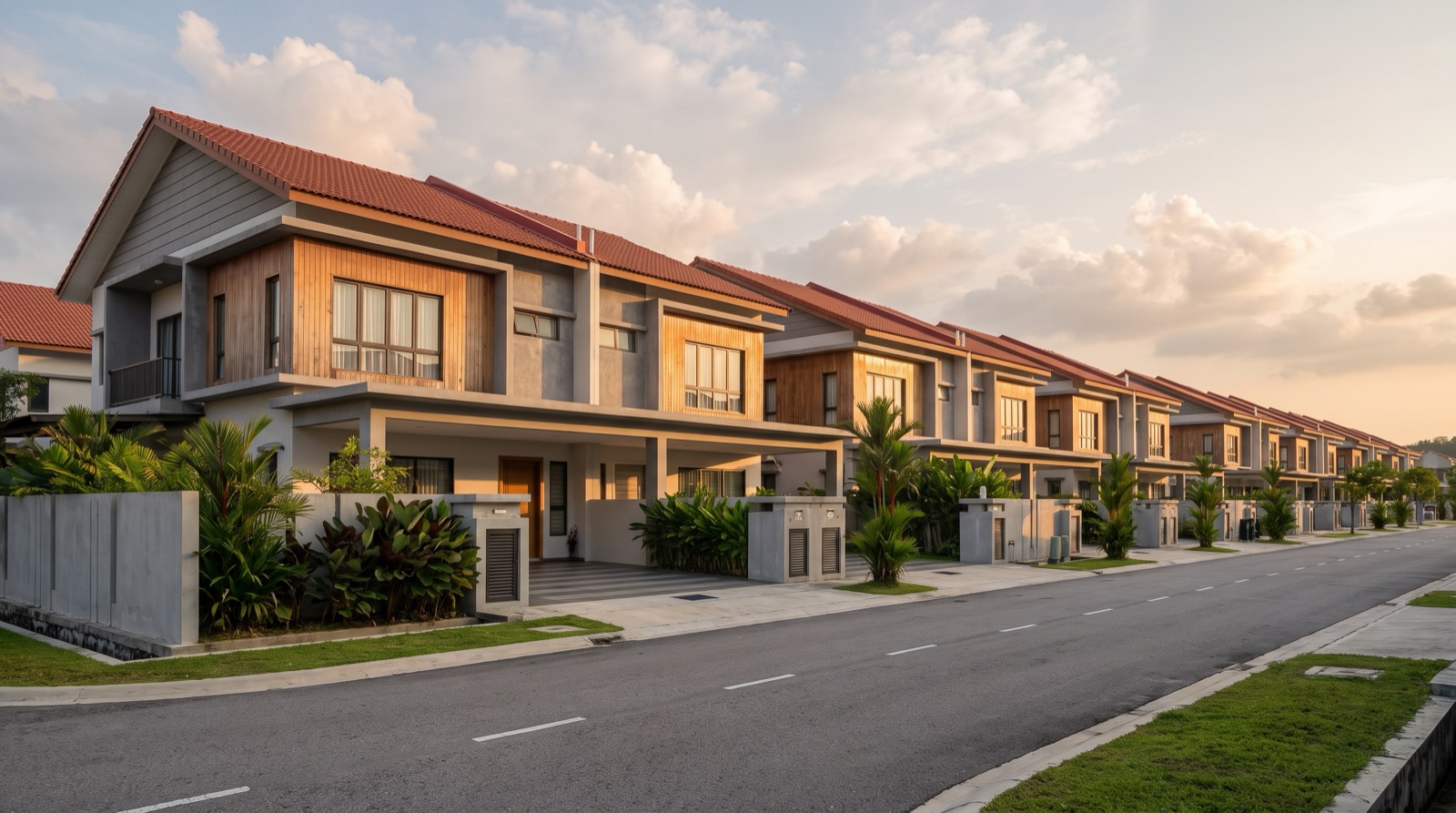
Smart home retrofit Malaysia house type: what is easy, what is painful, and what it costs to start - terrace, shop lot, walk-up and new high-rise unit.
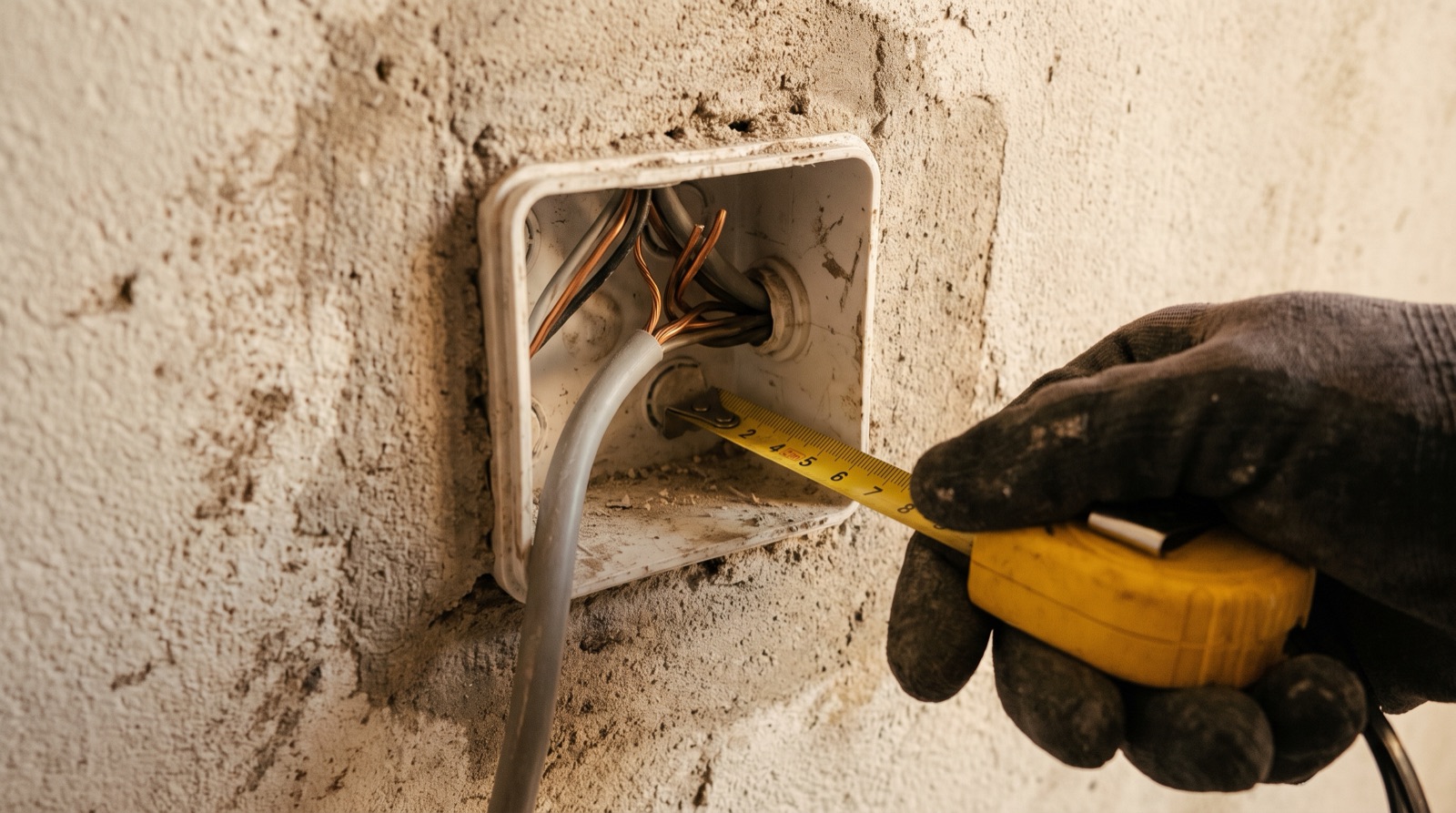
Smart switch back box Malaysia: shallow boxes are the second most common install failure after the neutral. How to measure the depth and the gang count.
Tell us about your space. Our B2B team will reply within one business day with a recommended setup and quotation.
WhatsApp us →
[email protected]
+603-5880 5486