







Does Your House Have a Neutral Wire? A Malaysia Smart Switch Guide
A neutral wire smart switch Malaysia guide: how to check whether your box has a neutral, why loop-in wiring leaves it empty, and what to do next about it.
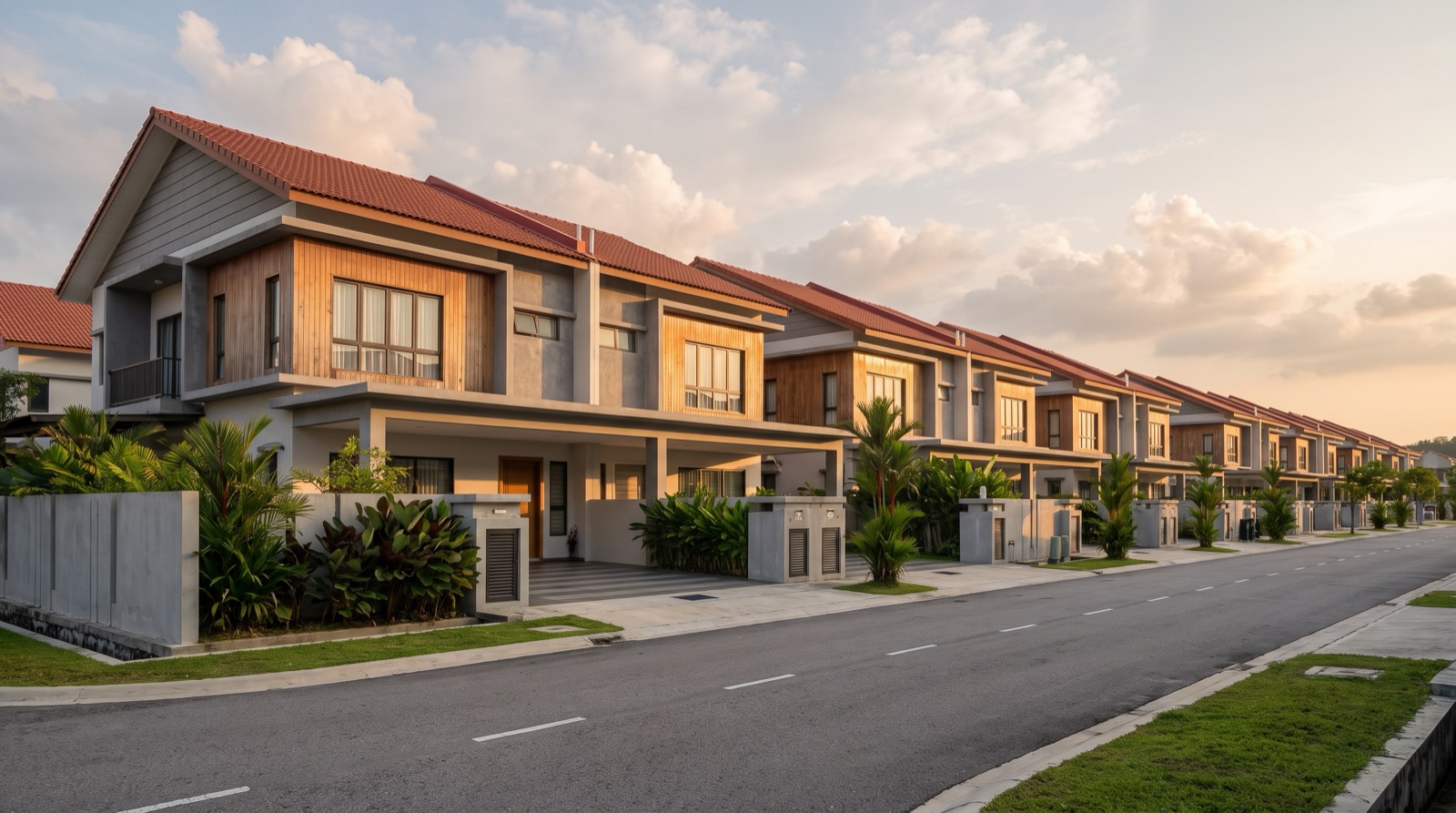
Answer up front — There is no single "smart home difficulty" in Malaysia; it depends on when your house was wired and how deep the back boxes are. A new-launch condo unit is usually the easiest start, a landed terrace is usually manageable, and a pre-2000 shop lot or walk-up flat is the hardest. Start with a hub, sensors and bulbs that need no wall work, and only chase the wiring once you know what is behind the plates.
Malaysians tend to think a smart home is expensive and complicated. Both things are true — but not because of the products. The products are the cheap, easy part. The variables are your wiring and your walls.
Two houses on the same street, built three years apart, can be completely different projects. One might have a neutral at every switch point. The other might be pure loop-in, with 40 mm back boxes and no earth. The technology in both houses is identical. The work is not.
So here is the honest picture, house by house.
| House type | Typical wiring | What is easy | What is painful | Rough starting cost |
|---|---|---|---|---|
| New-launch high-rise unit | Recent, current practice | Everything — no wall work to start; neutral often present at switch points | The unit is bare, so you decide before the wall is painted; some boxes are shallow | Lowest — no labour to start |
| Landed terrace (newer, post-2010) | Mixed — kitchen and extensions often newer than the core | Sockets, sensors, bulbs, cameras | Core rooms may still be loop-in; chasing in a finished house | Low to moderate |
| Landed terrace (older, pre-2000) | Loop-in likely, no neutral at switches | Sensors, bulbs, relay modules at the rose | Rewiring in a decorated house; multi-gang boxes | Moderate to high |
| Detached house | Same as the terrace, plus more rooms to cover | Same, with more surface area to get value from | More points means more survey, more switches, more cost | Moderate to high |
| Old shop lot | Old, often altered many times over the years | Sensors, bulbs, doorbell, cameras | Inconsistent wiring room to room; limited wall space; older consumer units | High |
| Older condo or walk-up flat | Pre-2000, loop-in likely | Sensors, bulbs, relay modules | Deep loop-in, shallow boxes, strata rules on common areas and wall work | Moderate, but the survey is essential |
If you have just bought a brand-new unit from a developer, you are in the best position most Malaysians ever get — and the only group doing this without a legacy of old wiring to argue with.
The lighting in a new unit is usually wired to current practice, so a neutral at the switch point is likely rather than a maybe. But "likely" is not "confirmed", and the back box depth still needs checking: some developers use shallow boxes to keep the plate flush with the wall.
The real opportunity is timing. In a bare unit, before the wall is painted, getting a wireman to add neutrals, deeper boxes or a few extra cables costs a fraction of what it costs after the paint is on. This is the single most valuable thing about buying new — not the wiring, but the sequencing.
If your unit is already handed over and lived in, you are in the same boat as everyone else: survey first, start with what needs no wall work.
Most landed houses in Malaysia are a mix — the core was wired when the house was built, and the kitchen, extension or added bathroom was done years later by a different contractor. That means the neutral situation can be different from room to room, sometimes within the same wall.
The practical approach: do not try to do the whole house at once. Pick the two or three rooms you actually use, survey them properly, and do them well. A bedroom, the living room and the carporch or front door cover most of what people want from a smart home.
Shop lots are hard for a specific reason: they have been altered repeatedly. Units have been divided, extended, re-let, and the wiring reflects every one of those changes. You genuinely cannot predict what is behind any given plate, and a single sample plate tells you nothing about the rest.
They are also, on the plus side, often full of independent space — a back yard, a side lane, an upper floor — which makes sensors and cameras genuinely valuable. The value case is better; the wiring case is worse.
The wiring is the same pre-2000 problem as everywhere. What is different is that you do not own everything.
Anything in the common areas — corridors, car park, lift lobby, entrance — needs the management's approval, and often their contractor. Do not plan a smart retrofit around a common area until you have that approval in writing. For anything with a camera or face recognition in a shared space, the Personal Data Protection Act 2010 (Act 709) applies — confirm your current obligations before installing, and do it with the management's knowledge.
Inside your own front door, you are the owner and the rules are your own — but strata rules on renovation and wall chasing still apply.
Here is the honest version. A no-wall-work starter set looks like this:
That is a real, useful starting house: you get presence detection, door alerts and smart lighting, and none of it needs a wall opened up. In budget terms it sits in the hub-plus-foundation band described in our smart home cost guide — an indicative range, not a price list. Ask us for current pricing on the exact items.
Add whatever the wireman charges for the survey and for any rewiring. We do not publish a fixed labour rate, because the honest number depends on your access, your wall finish, and how many boxes are involved — and a wireman who quotes it over the phone without seeing the house is guessing.
For most Malaysian homes, a realistic and genuinely useful retrofit is: a hub, presence and door sensors, smart bulbs, a smart lock, a doorbell camera, a few switches on the circuits that turned out to be rewire-friendly, and relay modules on the ones that were not.
That is a house that works, that you can maintain, and that does not need you to open a single wall twice.
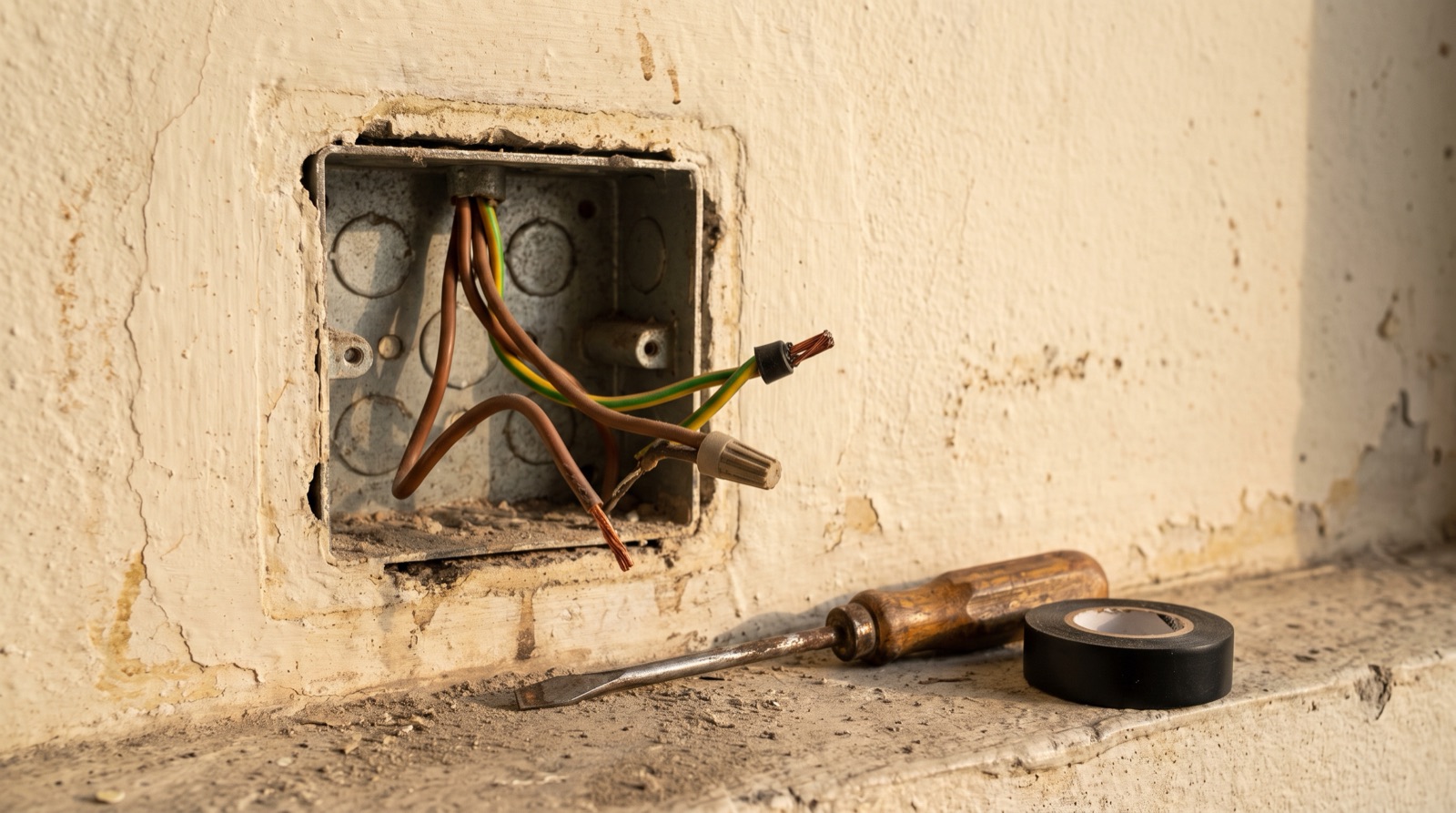
A neutral wire smart switch Malaysia guide: how to check whether your box has a neutral, why loop-in wiring leaves it empty, and what to do next about it.
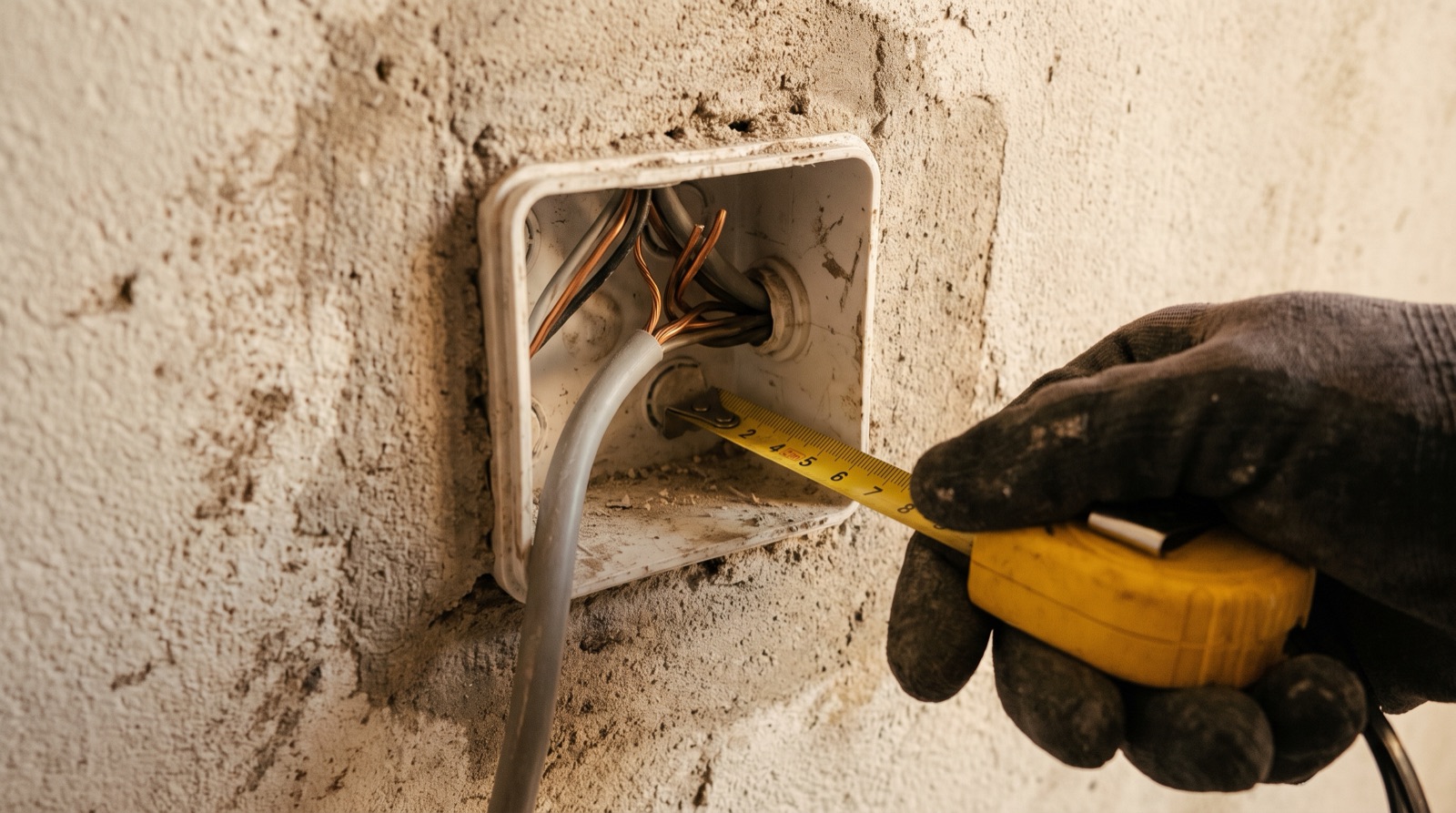
Smart switch back box Malaysia: shallow boxes are the second most common install failure after the neutral. How to measure the depth and the gang count.
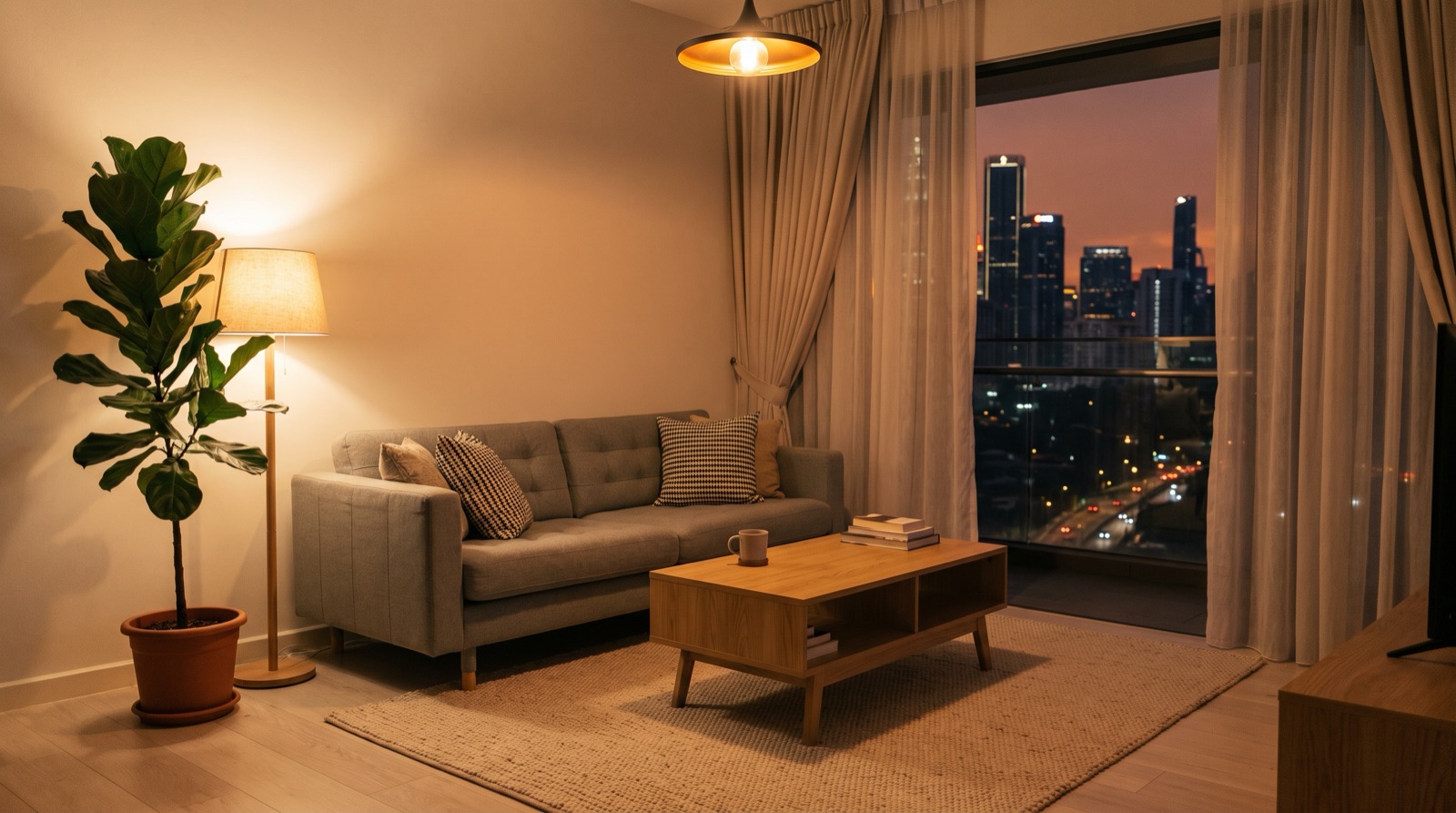
Smart home cost in Malaysia: rough RM500, RM2,000 and RM10,000 budget bands, what each one typically covers, and why installation labour is a separate line.
Tell us about your space. Our B2B team will reply within one business day with a recommended setup and quotation.
WhatsApp us →
[email protected]
+603-5880 5486