







No Neutral Smart Switch Malaysia: Rewire, Relay Module, or Neither?
No neutral smart switch Malaysia: three honest routes when the box has no neutral - a no-neutral switch, a rewire, or a relay module at the ceiling rose.
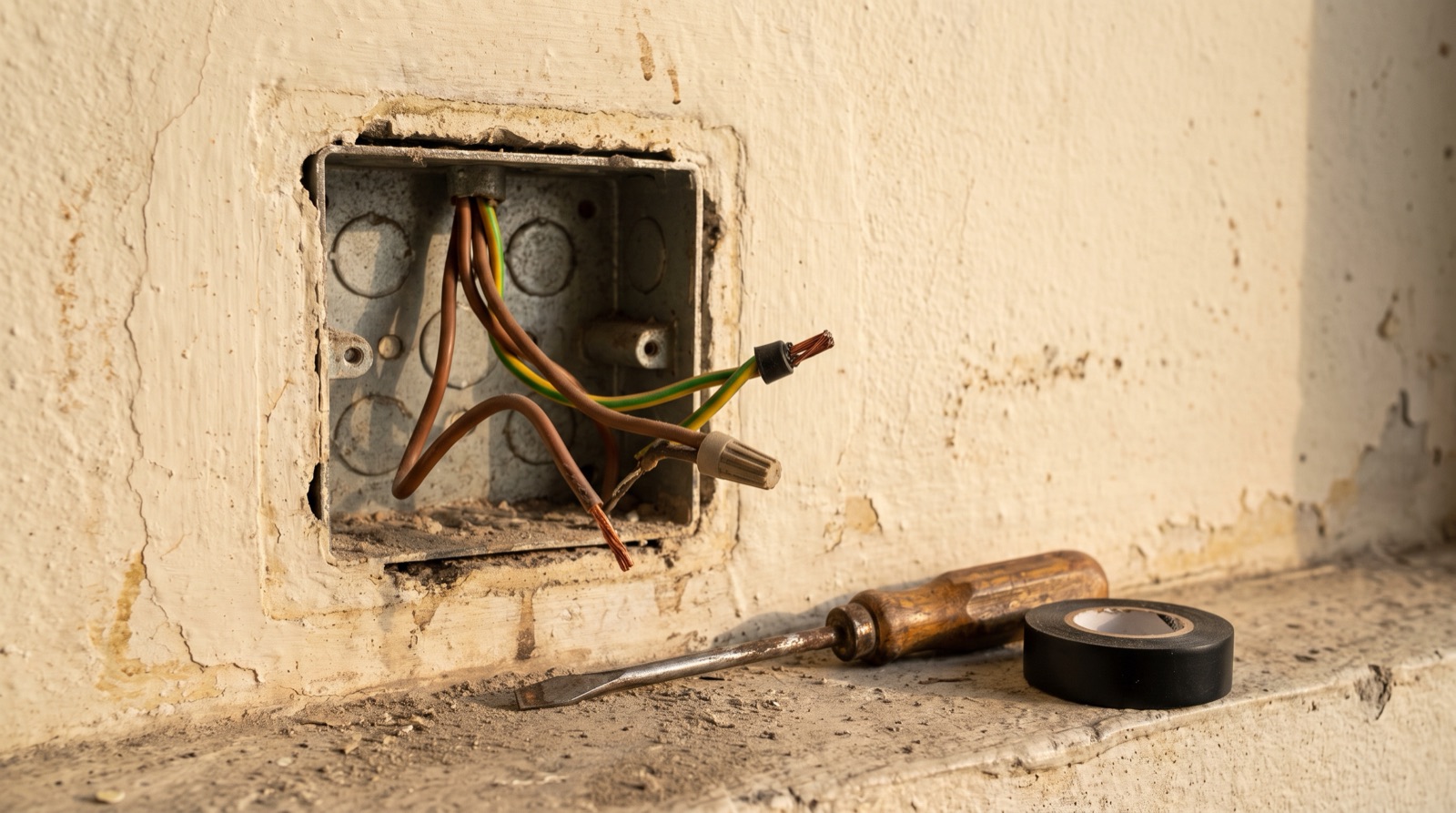
Answer up front — In most Malaysian homes, the lighting is loop-in wired at the ceiling rose, which means the wall switch box carries live and switched live but no neutral. A conventional smart switch needs a neutral to power its own electronics when the light is off, so it will not work in that box. The only reliable way to know is to open the box, which is a job for a wireman registered with Suruhanjaya Tenaga, not a Saturday-afternoon screwdriver.
You have picked the model. You have measured the plate. You are in the electrical shop with your phone in your hand and 30 minutes before you need to leave.
Nobody asks: is there a neutral behind this plate?
It is the single most common reason a smart switch install fails in Malaysia, and the failure is always the same. You buy the switch, the wireman fits it, the light works fine — and the moment you turn the light off, the switch loses power and drops off the network. The app shows it offline. The automations stop. You assume you bought a faulty unit, you return it, you buy another one, and the second one behaves exactly the same way.
It is not a faulty unit. It is the wiring.
Malaysia runs 230V single-phase mains. To push power out and bring it back, every circuit needs two conductors: live and neutral.
A light bulb only needs power when it is on. But a conventional smart switch is not just a switch. It contains a Wi-Fi radio, a Zigbee transceiver, a microprocessor and an indicator LED. All of that needs a live supply even when the light is off — otherwise the switch has nothing to run on, drops off the Zigbee mesh and stops answering the app.
That is what the neutral is for. It gives the switch a permanent, quiet source of power, independent of the lamp.
This is the part that surprises people, because nothing about it is visible from the floor.
Under the traditional loop-in method, the live and the neutral both run to the light point at the ceiling rose. The rose is where the circuit passes through the fitting. A switch wire — a conductor that is live only when the switch is on — drops from the ceiling rose down the wall to the switch box.
So at the switch box, you have:
The neutral never comes down the wall, because the bulb did not need it at that end.
Compare that with the way a socket circuit is wired. A 13A socket sits on the same wall, and it has a neutral right beside the live — you can see it every time you unscrew a plug. That is why a smart switch that slots next to a socket in the same room can look like it should work, and then does not. The socket has its neutral. The switch box does not.
| What you find behind the plate | What it means | Can a conventional smart switch go here? |
|---|---|---|
| Live + switched live only | Loop-in wiring, no neutral at the switch | No — needs a no-neutral model, a relay module, or a rewire |
| Live + neutral + switched live | Switch drops the full pair to the box | Yes |
| Live + neutral only, with a separate junction at the rose | Common in some later alterations | Yes, but the wiring needs checking first |
| Loop-in with the rose removed and a junction box added | Often done during a kitchen or bathroom renovation | Usually yes, once a wireman confirms it |
Homes wired before roughly 2000 are the most likely to be pure loop-in with nothing at the switch point.
Newer work tends to run the full pair down to the switch, partly because it is easier on modern accessories and partly because of how the wiring is drawn today. But "tends to" is not a rule you can plan a renovation around. Some homes from the 1990s were looped, some were not.
The bigger problem is that Malaysian homes are not internally consistent, and this is the bit that catches people out.
Houses get added to. A kitchen was rewired in 2009 by one contractor. An extension was done in 2016 by another. The master bedroom was re-plated five years ago. You can absolutely have a neutral at the kitchen switch and none at the bedroom switch, in the same unit, on the same floor, in the same afternoon. There is no way to predict this from the outside, and no way to infer it from the age of the building.
The only way to know is to open the boxes and look.
This is what you get when a site survey is done properly, room by room, rather than one sample plate in the living room:
None of this is guessable from a photo of your wall. And it matters more than people think, because the difference between "fit a no-neutral switch, 20 minutes, no mess" and "chase a new neutral into three walls" is not a small difference in a landed house.
Fixed electrical work in Malaysia must be carried out by a wireman registered with Suruhanjaya Tenaga, the Energy Commission, under the Electricity Supply Act 1994 (Act 588). That is not a formality.
There is also a practical reason to care. A neutral connected to the wrong terminal, or a neutral that does not exist and gets bridged in a hurry, is a shock and fire risk. And if unlicensed mains work in your house causes damage, it can void your home insurance. Getting the box opened by a registered wireman protects the wiring and your policy.
The safe split is simple: plug-in and battery-powered sensors are home-owner territory. Anything inside the wall, on the mains, is not.
For the products themselves, check for a SIRIM label and Energy Commission approval on anything mains-powered before it goes into your wall.
You are not locked out while you wait for an answer.
That covers a lot of a first-stage retrofit. It also means the survey is not urgent, which is the best possible position to be in.
If you take one thing from this: do not buy a conventional smart switch before the boxes have been opened. Not because the product is bad, but because the question is about your house, and the answer is different in every room.
Ask us to confirm which models in the current Malaysian range are genuinely no-neutral capable, rather than assuming it from a product photo or a listing title. Then get the survey done, and buy against the answer.
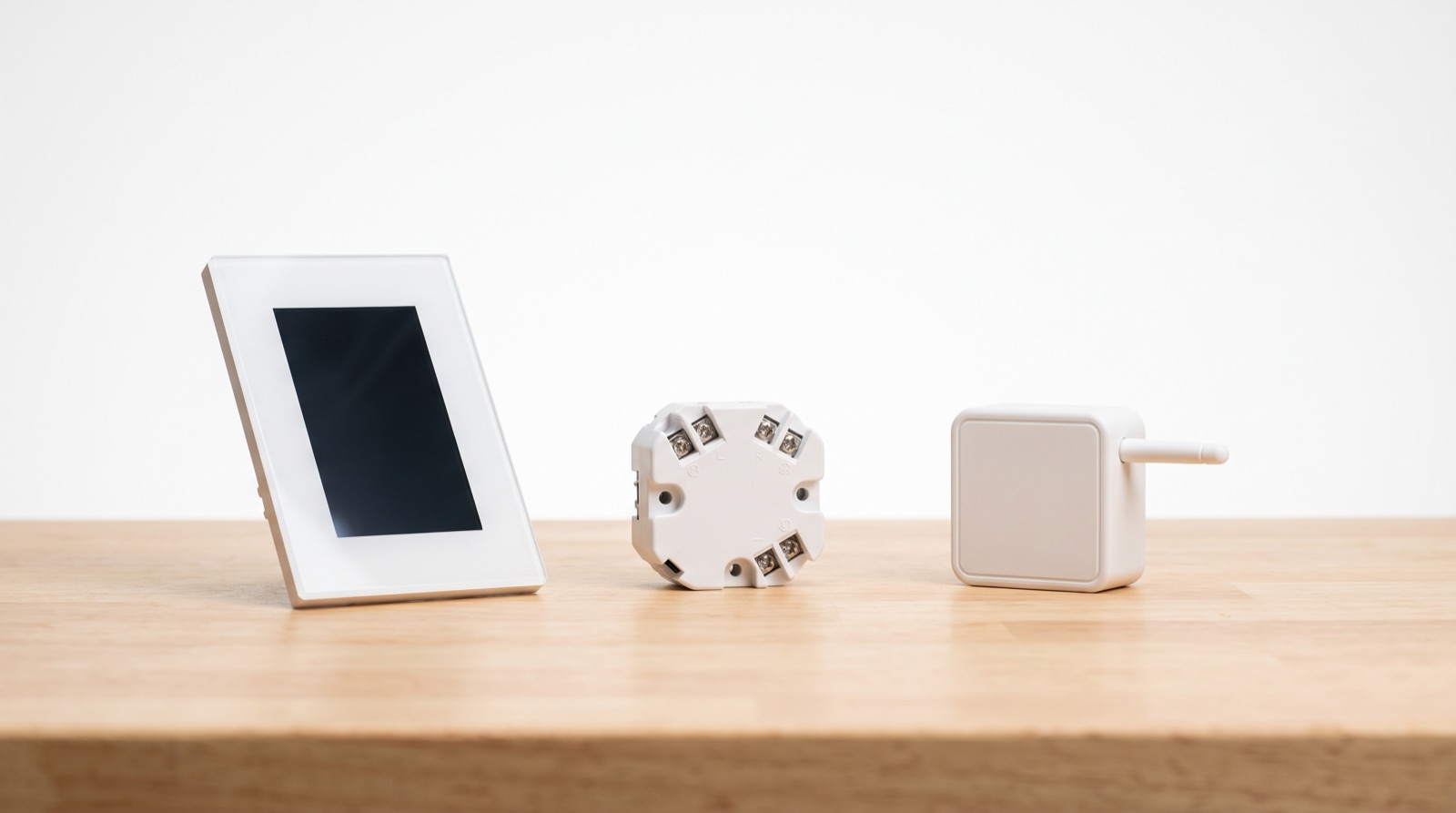
No neutral smart switch Malaysia: three honest routes when the box has no neutral - a no-neutral switch, a rewire, or a relay module at the ceiling rose.
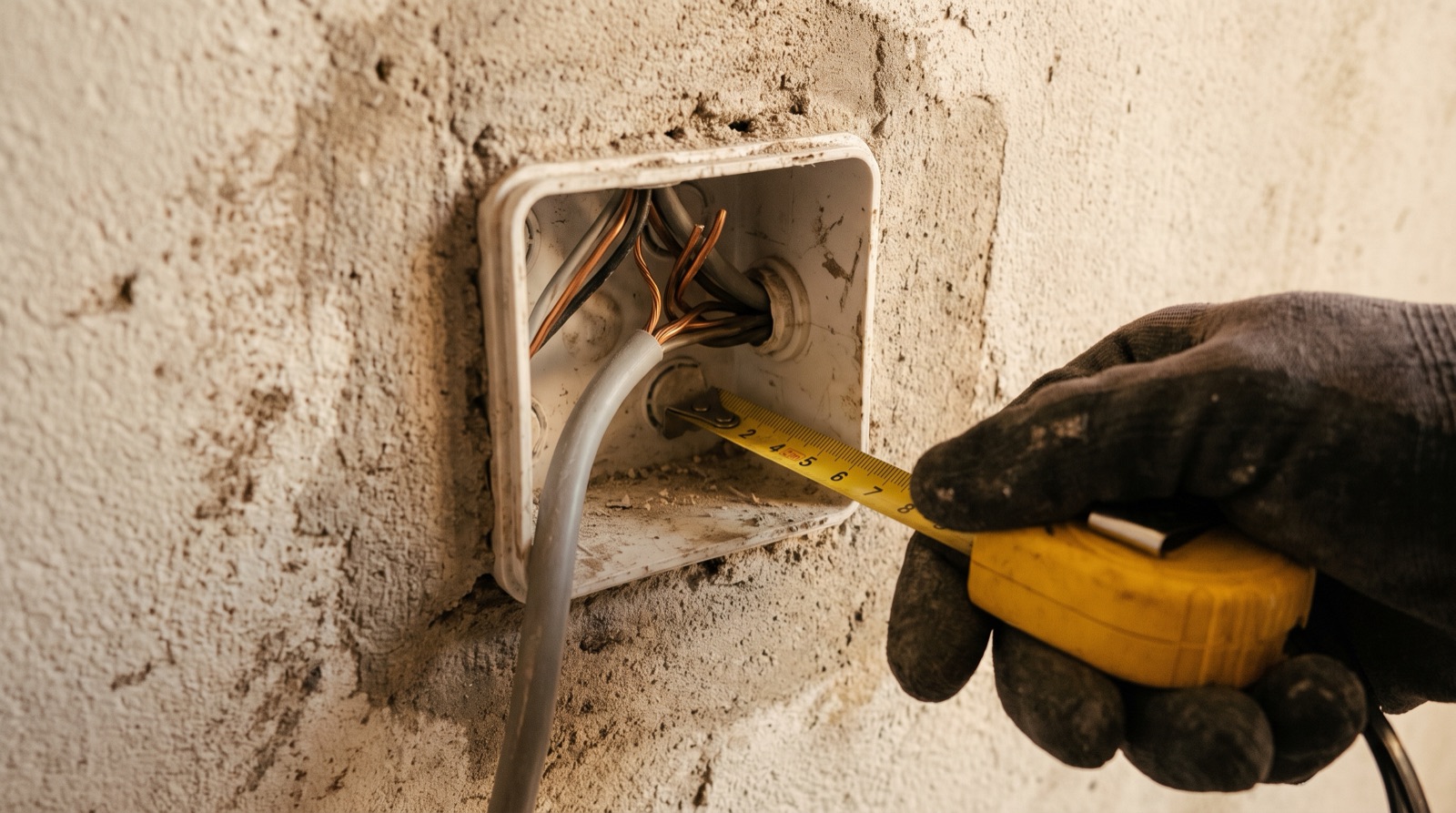
Smart switch back box Malaysia: shallow boxes are the second most common install failure after the neutral. How to measure the depth and the gang count.
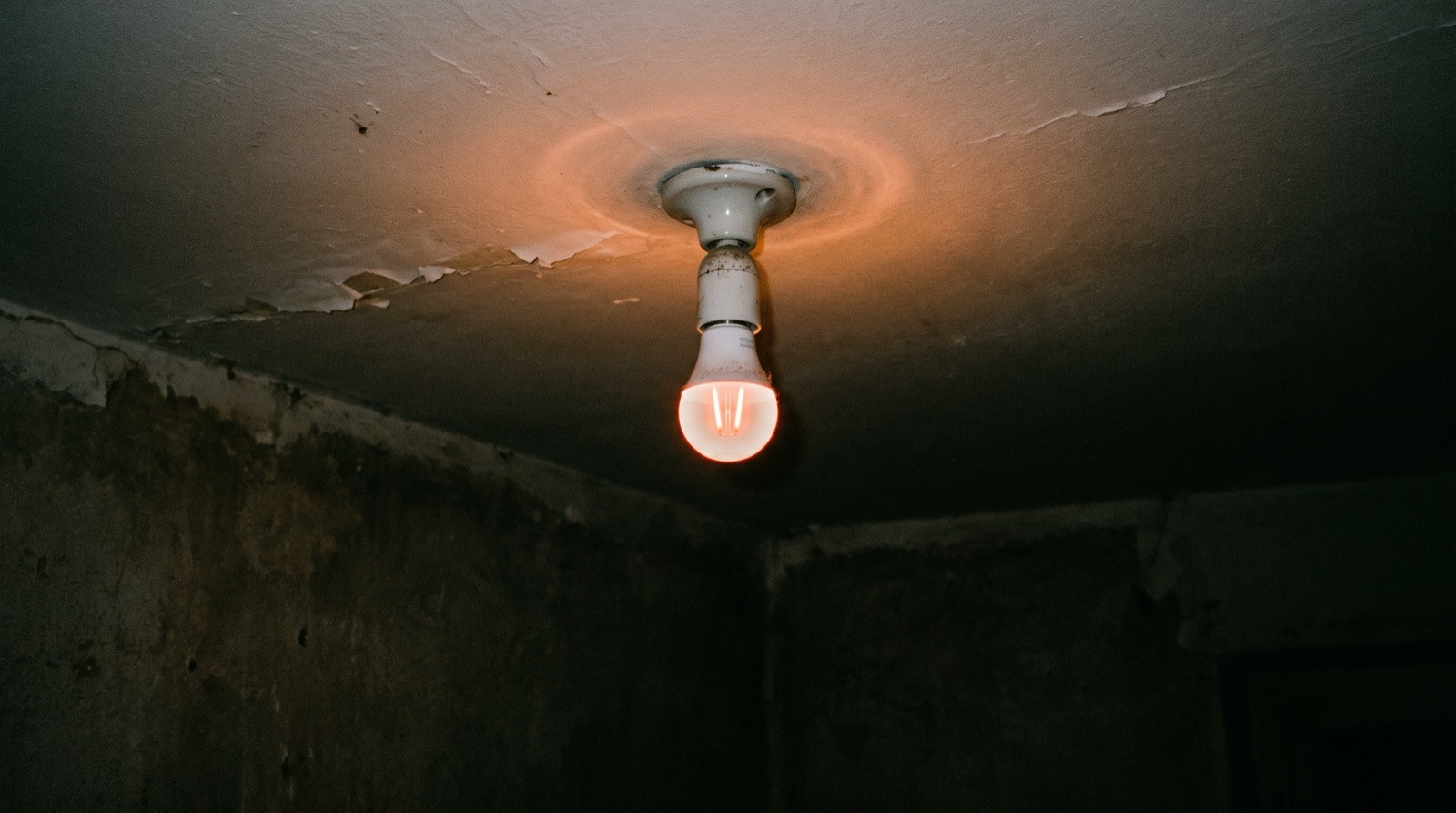
Smart switch LED flicker Malaysia: the glow is no-neutral trickle current, not a bad switch. Three fixes that work, and when to stop trying to fix it.
Tell us about your space. Our B2B team will reply within one business day with a recommended setup and quotation.
WhatsApp us →
[email protected]
+603-5880 5486