







Does Your House Have a Neutral Wire? A Malaysia Smart Switch Guide
A neutral wire smart switch Malaysia guide: how to check whether your box has a neutral, why loop-in wiring leaves it empty, and what to do next about it.
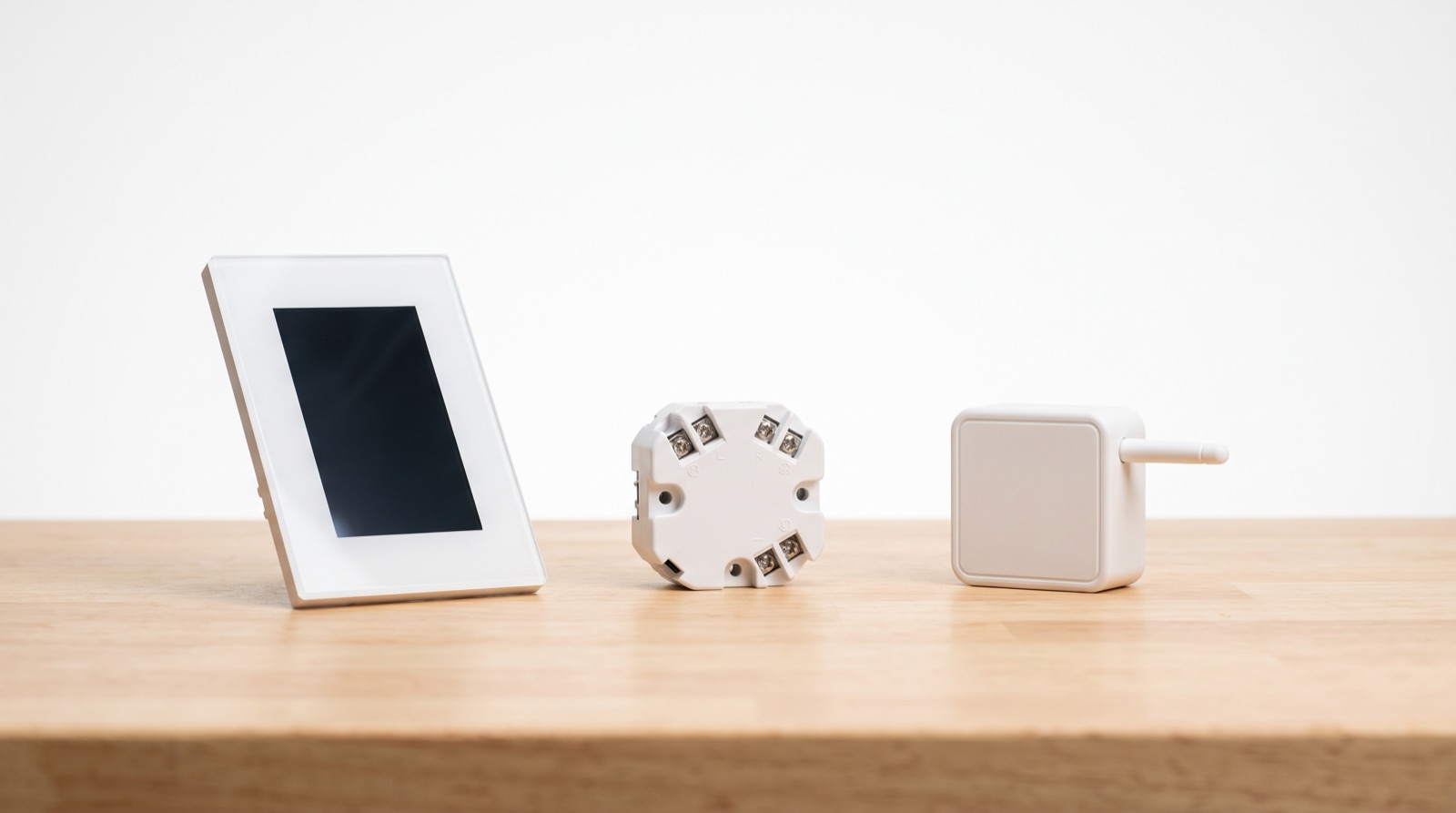
Answer up front — If your switch box has no neutral, you have three real options: a no-neutral smart switch that powers itself through the load, an electrician running a neutral into the box, or a relay module at the ceiling rose where the neutral already exists. All three work. They are not equally good, and the cheapest one is the wrong answer in several common Malaysian situations.
You have had the box opened, or the electrician has, and the answer came back: no neutral. Live and switched live only.
At this point most people search for "no neutral smart switch malaysia" and buy the cheapest thing that fits the plate. Sometimes that is the right move. Often it is not — and the mistake does not show up on day one. It shows up six months later as flickering, a light that stays dimly on, an automation that fires at the wrong time, or a switch that has quietly dropped off the network because the circuit load dropped too low.
So here is the honest version of the decision, including where each option is the wrong answer.
| Option | How it works | Pros | Cons |
|---|---|---|---|
| No-neutral smart switch | Trickle current through the load to stay powered | No rewiring, often drop-in | LED glow and flicker, minimum load, some drivers incompatible |
| Rewire to bring neutral | Electrician runs a neutral into the switch box | Full compatibility, most reliable | Wall chasing, labour, disruptive in a finished home |
| Relay module at the light | Module sits at the ceiling rose where the neutral exists, the dumb switch stays | No wall damage, any bulb, keeps the normal switch | Needs ceiling rose space, still wants a wireman |
This is the cheap, fast, popular answer, and it works by borrowing power. The switch passes a small trickle current through the lamp circuit to keep its own electronics alive when the light is off. Many of these also need a small capacitor across the load to absorb that current and stop the bulb glowing.
Where it is the right answer: you rent, you are not prepared to chase walls, the circuit is a single LED light, and you want the switch working this weekend.
Where it is the wrong answer:
Ask us to confirm which models in the current Malaysian range are genuinely no-neutral capable. Do not take it from a listing title or a product photo — a switch that needs a neutral will fit your plate and then fail, and that is the exact mistake this whole article exists to prevent.
The electrician runs a neutral conductor from the ceiling rose down to the switch box, and you can then use a conventional smart switch on any circuit.
Where it is the right answer:
Where it is the wrong answer: a finished, occupied, decorated house where you do not want a corridor open up. Chasing into a painted living room wall and making good afterwards is genuinely disruptive, and the labour is the bulk of the cost. We do not publish a fixed rewiring price — a wireman quotes it after seeing the wall, the access and the number of boxes, and any figure quoted over the phone before that is a guess.
The module goes at the light point, where live and neutral already are. Your existing dumb switch keeps working exactly as it does now — flick it, the light comes on — and the module adds app control, schedules and automations on top.
Where it is the right answer:
Where it is the wrong answer:
Work through these in order:
And in every case: fixed electrical work goes to a wireman registered with Suruhanjaya Tenaga, under the Electricity Supply Act 1994 (Act 588). For any mains-powered product, check for a SIRIM label and Energy Commission approval.
The honest answer is that the product is rarely the expensive part. A smart switch plate or a relay module is a known, fixed cost — ask us for current pricing on the models that suit your boxes.
The expensive part is the wireman, the chasing and the making good. That is exactly why the survey is worth doing before you pick a product: it decides which of the three options you are actually choosing between, and the same house can come back with three different answers in three different rooms.
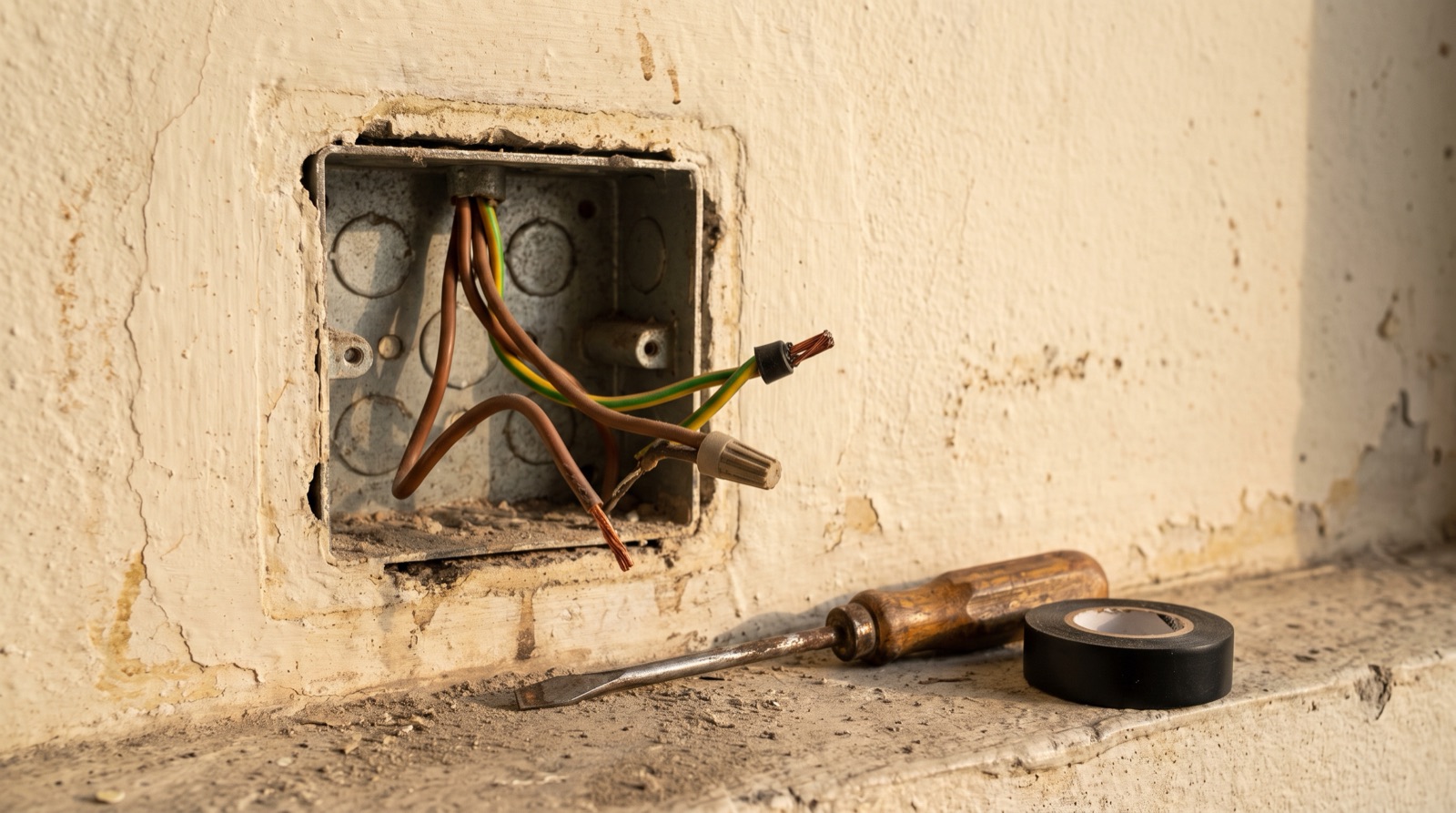
A neutral wire smart switch Malaysia guide: how to check whether your box has a neutral, why loop-in wiring leaves it empty, and what to do next about it.
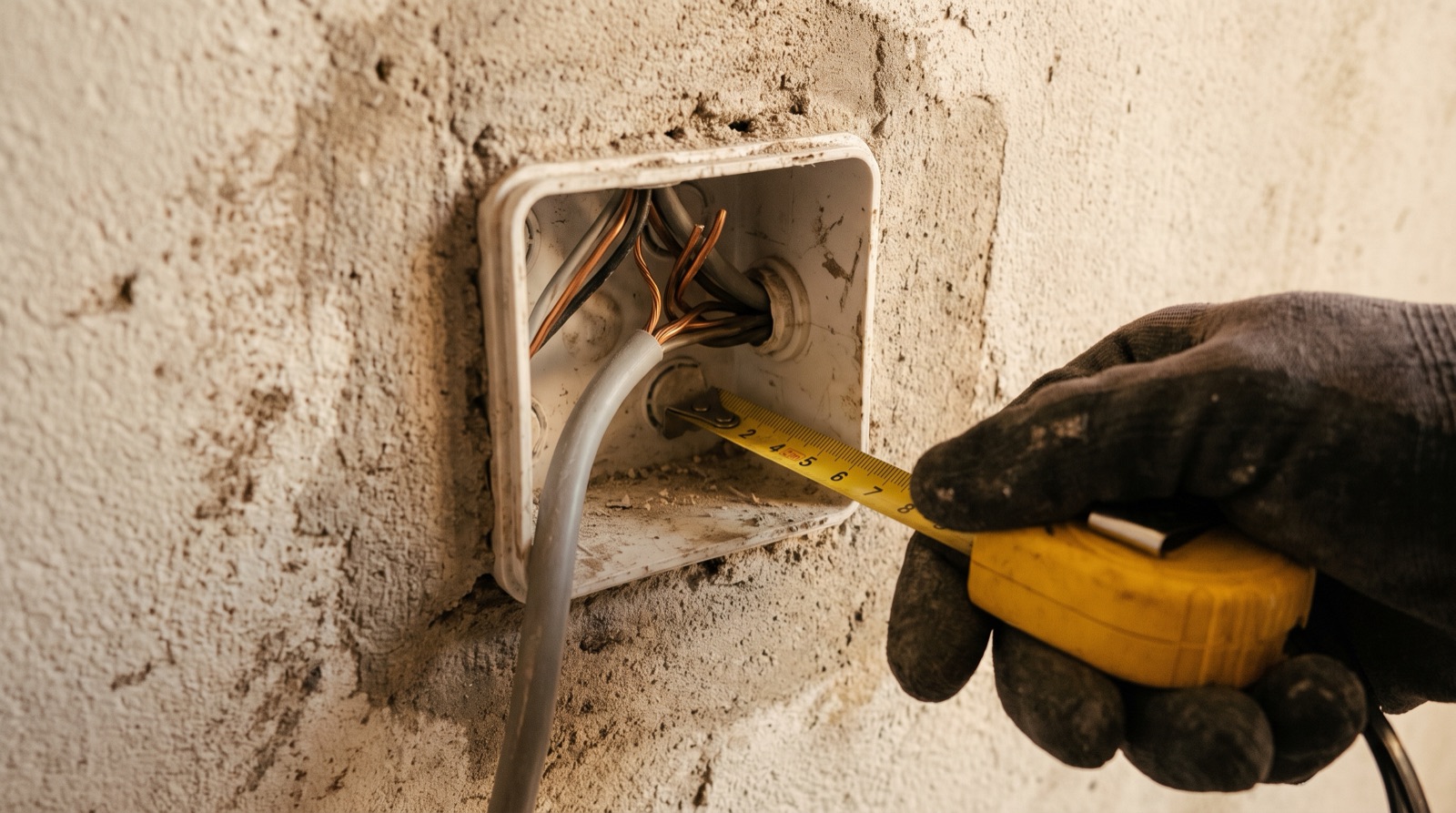
Smart switch back box Malaysia: shallow boxes are the second most common install failure after the neutral. How to measure the depth and the gang count.
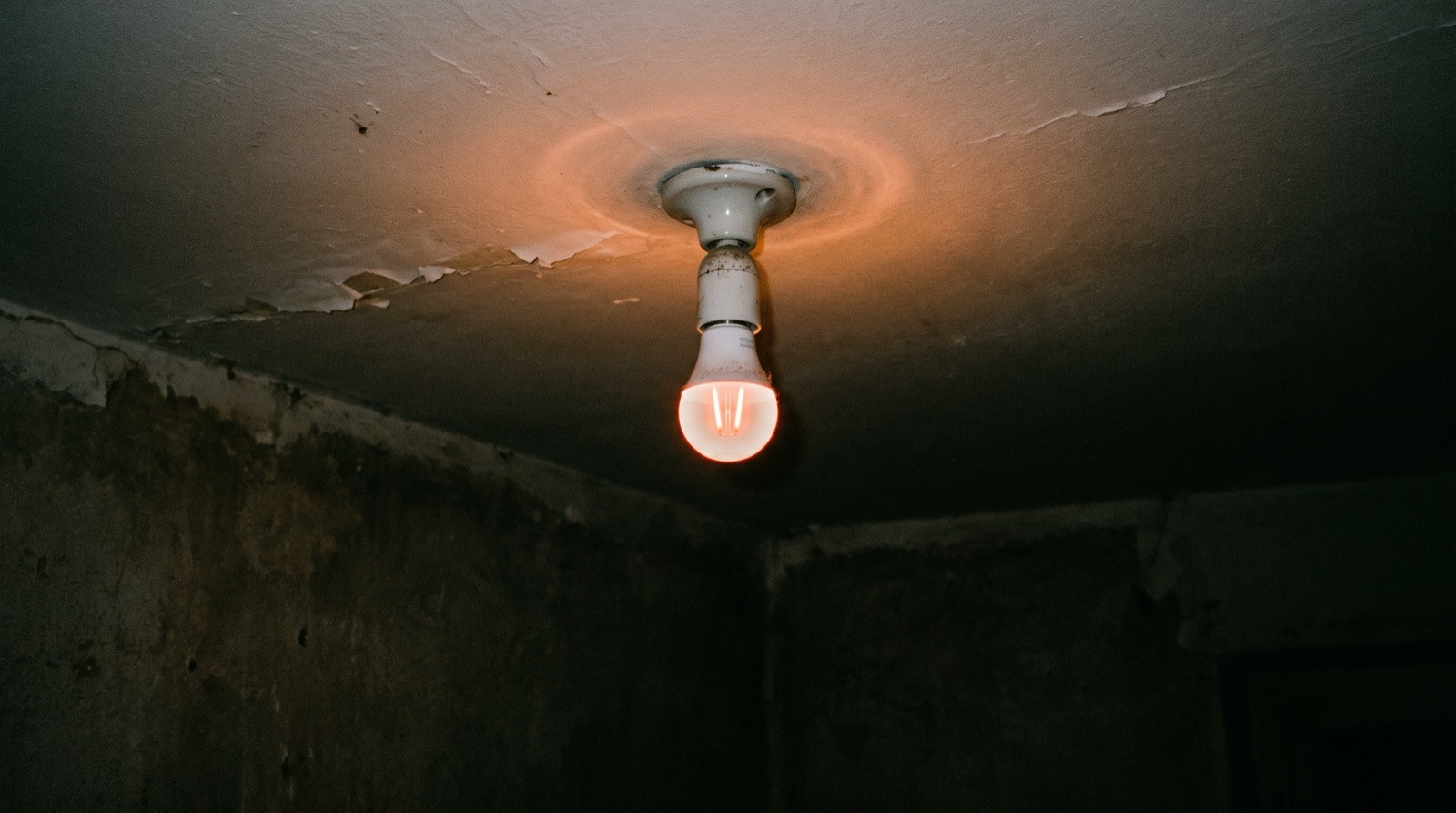
Smart switch LED flicker Malaysia: the glow is no-neutral trickle current, not a bad switch. Three fixes that work, and when to stop trying to fix it.
Tell us about your space. Our B2B team will reply within one business day with a recommended setup and quotation.
WhatsApp us →
[email protected]
+603-5880 5486