







Which Smart Home Retrofit Is Realistic in Malaysia? By House Type
Smart home retrofit Malaysia house type: what is easy, what is painful, and what it costs to start - terrace, shop lot, walk-up and new high-rise unit.
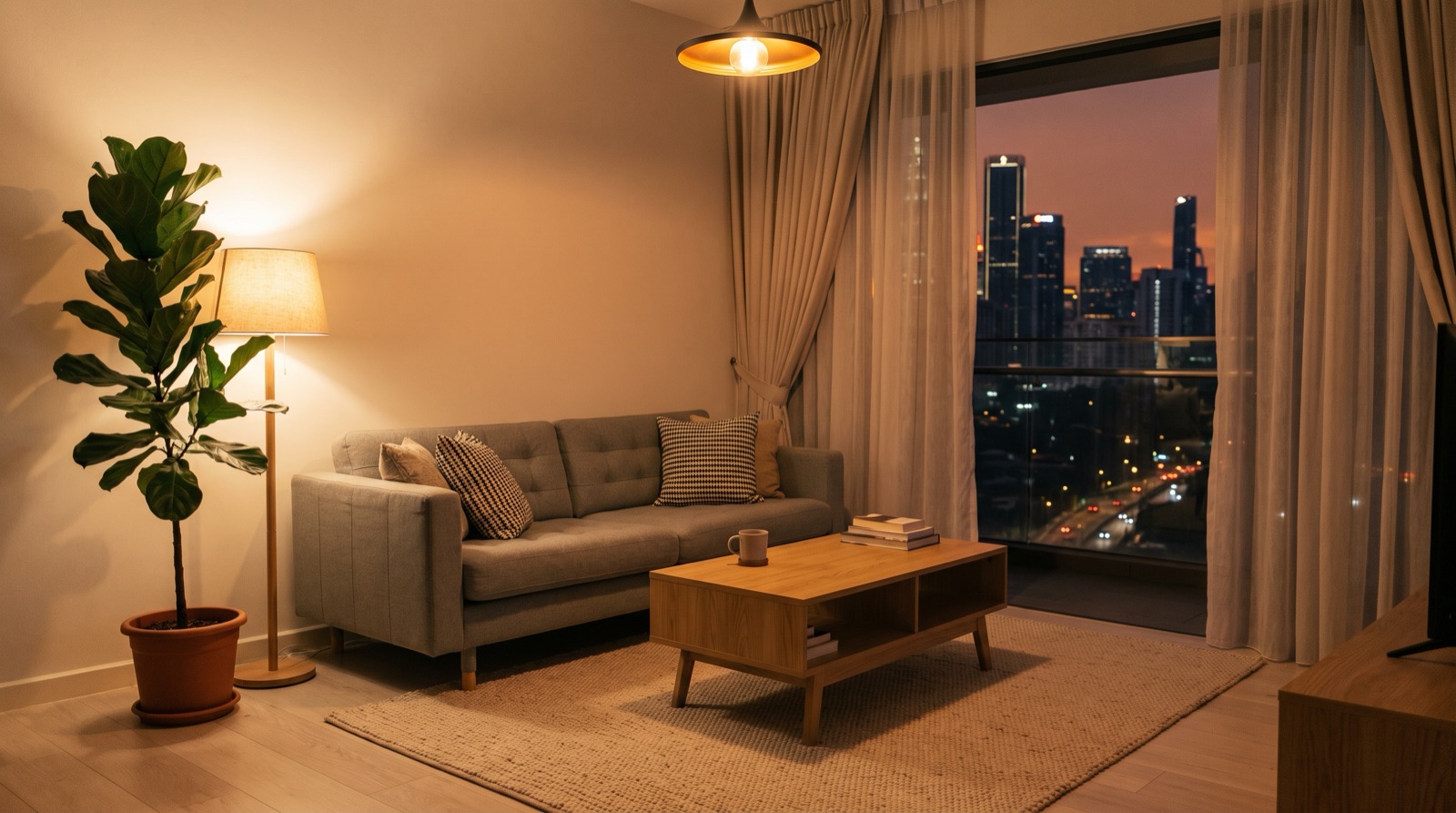
Answer up front — Roughly RM500 gets you one room done properly. Around RM2,000 gets you a hub and a working lighting foundation across a landed house. Around RM10,000 gets you most of a landed house automated, including locks, curtains and a video doorbell. In all three cases, add installation labour as a separate line — Malaysians forget it, and it is often the largest single item. These are indicative budget ranges, not a price list; Synchroweb quotes per project.
The device prices are the easy half. The cost that catches people is the labour, because a switch in a loop-in-wired house may need a neutral run through a concrete wall, and that is a different job from unscrewing a plate.
Two rules before the budgets:
At this budget you are not building a system. You are making one room better and finding out whether you like the idea.
What this budget typically covers — option A, lighting:
| Item | What it does |
|---|---|
| An Aqara smart ceiling light, or a couple of Aqara LED Bulb T2 | Better light in one room, controlled from the app |
Option B, sensors and a switch:
| Item | What it does |
|---|---|
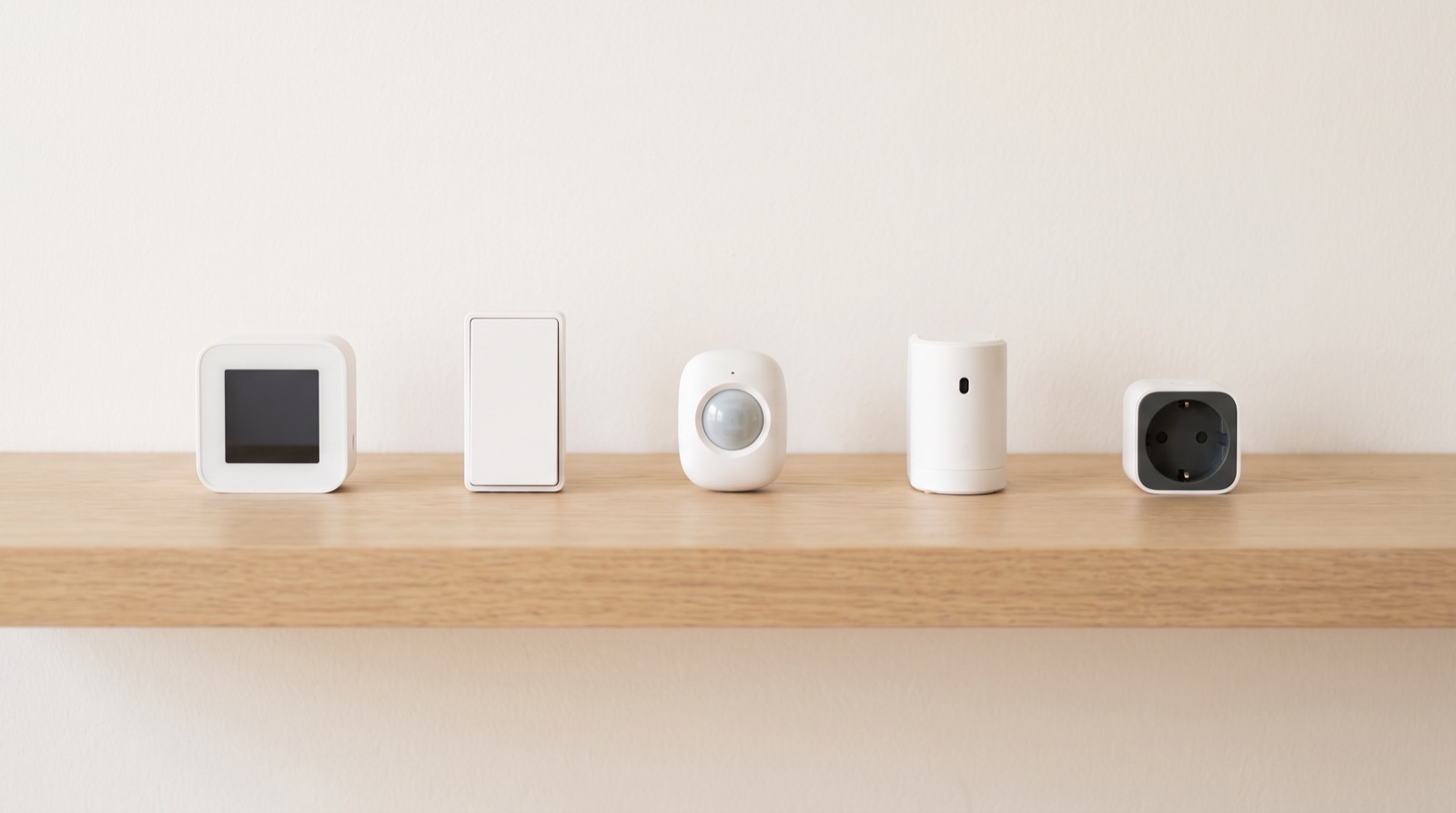
| Aqara Motion Sensor P1 | Detects movement for a lighting or alert rule |
| Aqara Smart Wall Switch Z1 Pro, single gang | Smart control of one lighting circuit, if the box allows it |
| Aqara LED Bulb T2 | A smart bulb for a lamp or a single light point |
What you actually get: one room with better lighting and maybe one automation. What you do not get: a hub, so sensors sitting on the shelf will not do much yet. If you think you will expand, buy the light and hold the rest.
The trap: spending RM500 on five cheap Wi-Fi plugs from different sellers. You will have five devices, one app each, and no rules.
This is the most useful budget in the series, because it gets you a real system rather than a demo.
What this budget typically covers:
| Item | What it does |
|---|---|
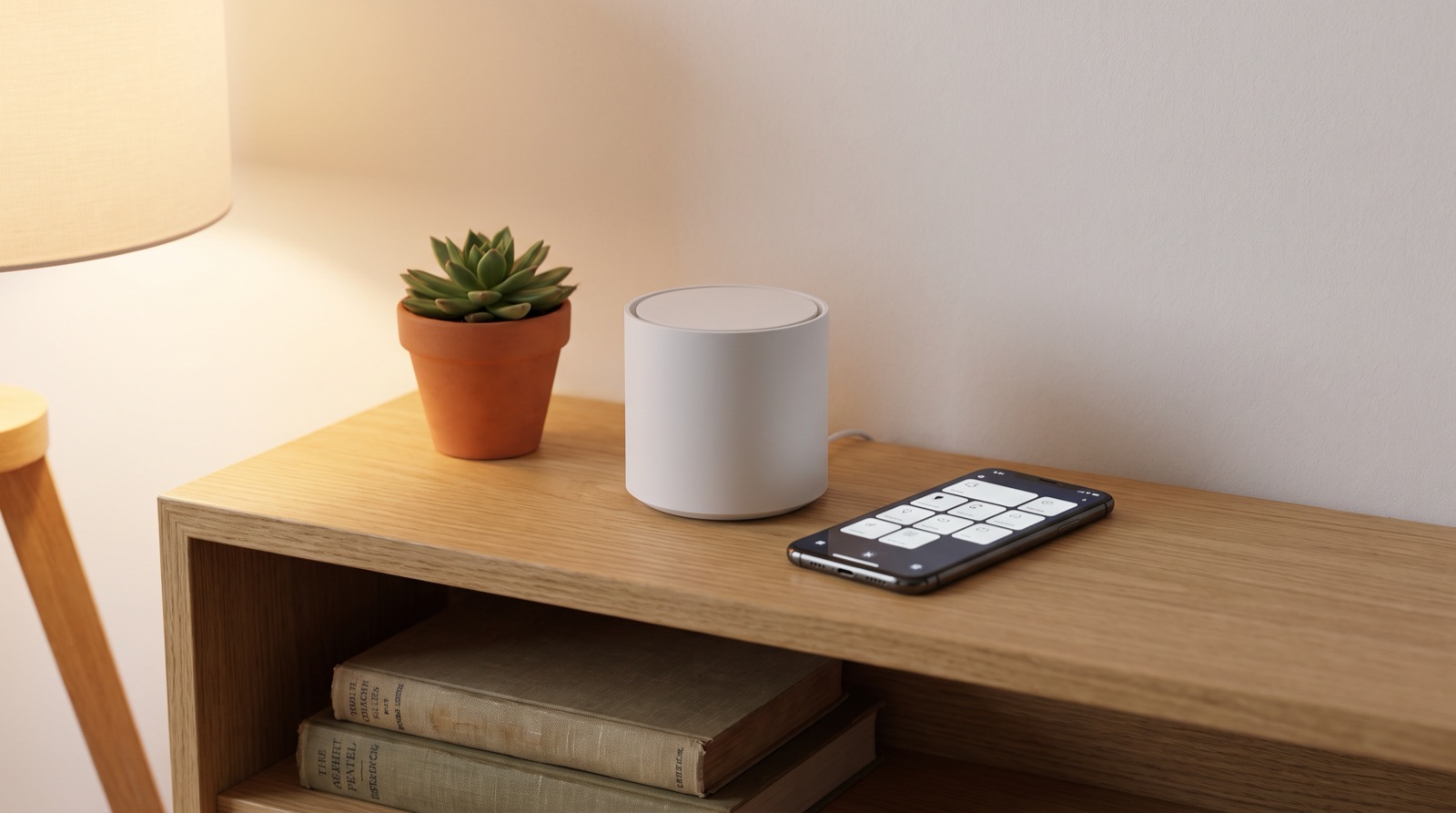
| Aqara Panel Hub S1 Plus (6.9" touchscreen, dual-band 2.4/5GHz Wi-Fi, Zigbee 3.0 hub, USB-C, 2 built-in relay switches) | A wall panel that controls the room, and the hub for the whole house |
| Aqara Smart 20A Switch H1 (SEA Version) | Smart control of the aircon or water heater |
The S1 Plus is a hub. Zigbee devices can be added through it, because it is itself a Zigbee hub. Note the Matter position carefully: adding Matter accessories, including Matter over Thread, requires a Matter controller such as the Hub M3, set up in Aqara Home first. Once added, those Matter accessories can be controlled from the S1 Plus screen, but the S1 Plus is not the Matter controller you pair them against.
If the budget is tight, start with the hub and come back to the 20A switch later.
What you actually get: a wall panel that controls the room, a hub for the whole house, and one high-current switch that can handle an aircon. Add sensors such as the Motion Sensor P1 and the Door and Window Sensor P2 over the next few months.
Roughly a three-bedroom landed or a large condo unit, with a hub, lighting, the front door and the living room.
What this budget typically covers:
| Item | What it does |
|---|---|
| Aqara Panel Hub S1 Plus | The hub and a main wall panel |
| Aqara MagicPad S1 Plus (SEA&ME Version) | A second touchscreen panel for another room |
| Aqara Camera Hub G5 Pro | A security camera that also acts as a hub |
| Aqara Doorbell Camera Hub G410 | A video doorbell at the front door |
| Aqara Smart Lock U200 Lite | The front door lock |
| Aqara Ceiling Light T1M | Tunable white main light with a colour ring for the living room |
| Aqara Curtain Driver E1 | Curtains that open and close on a schedule |
| Aqara Motion Sensor P1 × 4 | Presence-based lighting and alerts in four rooms |
| Aqara Door and Window Sensor P2 × 2 | Alerts on the main door and a back door or window |
A face recognition lock such as the Aqara Smart Lock D200i is a bigger line on its own, and it can push a full-front-door setup past the RM10,000 band. That is the line most people forget when they say "RM 10,000 smart home". Ask us to price the lock separately so you can see its effect on the total.
What you actually get: a hub on the wall, room-level control, four motion sensors, two door sensors, a video doorbell, curtains that move on a schedule, and a lock. That is a house that behaves differently at 6am, noon and midnight without anyone touching a phone.
Hardware is the visible cost. Labour is often the larger one, and the only reliable way to know is a survey.
What drives the labour number:
| Factor | Why it changes the price |
|---|---|
| Neutral present at the switch box | If it is there, the job is a plate swap |
| No neutral | A wireman has to run a neutral through the wall |
| Back box depth | Malaysian back boxes are often shallow. A smart module plus existing conductors may simply not fit |
| Wall type | Landed houses are mostly concrete and brick. Chasing is slower and noisier than plasterboard |
| Number of positions | Ten switches is a different job from two, and per-point cost drops as the count rises |
| Ceiling rose access | A relay module at the light needs space at the rose, which means a ladder and sometimes a false ceiling |
| Finishing | Cutting and chasing means patching, skimming and repainting afterwards |
In a loop-in-wired home, a neutral run is the single biggest cost multiplier in the whole project. That is why the first question in any smart home quote should be: how many switch positions have a neutral, and how deep are the back boxes? A registered wireman can answer that by opening the boxes. It should be the first thing anyone prices, not an assumption.
Fixed electrical work must be done by a wireman registered with Suruhanjaya Tenaga, the Energy Commission, under the Electricity Supply Act 1994 (Act 588). DIY mains work can void home insurance if it causes damage. Check for a SIRIM label and Energy Commission approval on any mains-powered product.
Not every ringgit needs to go into hardware.
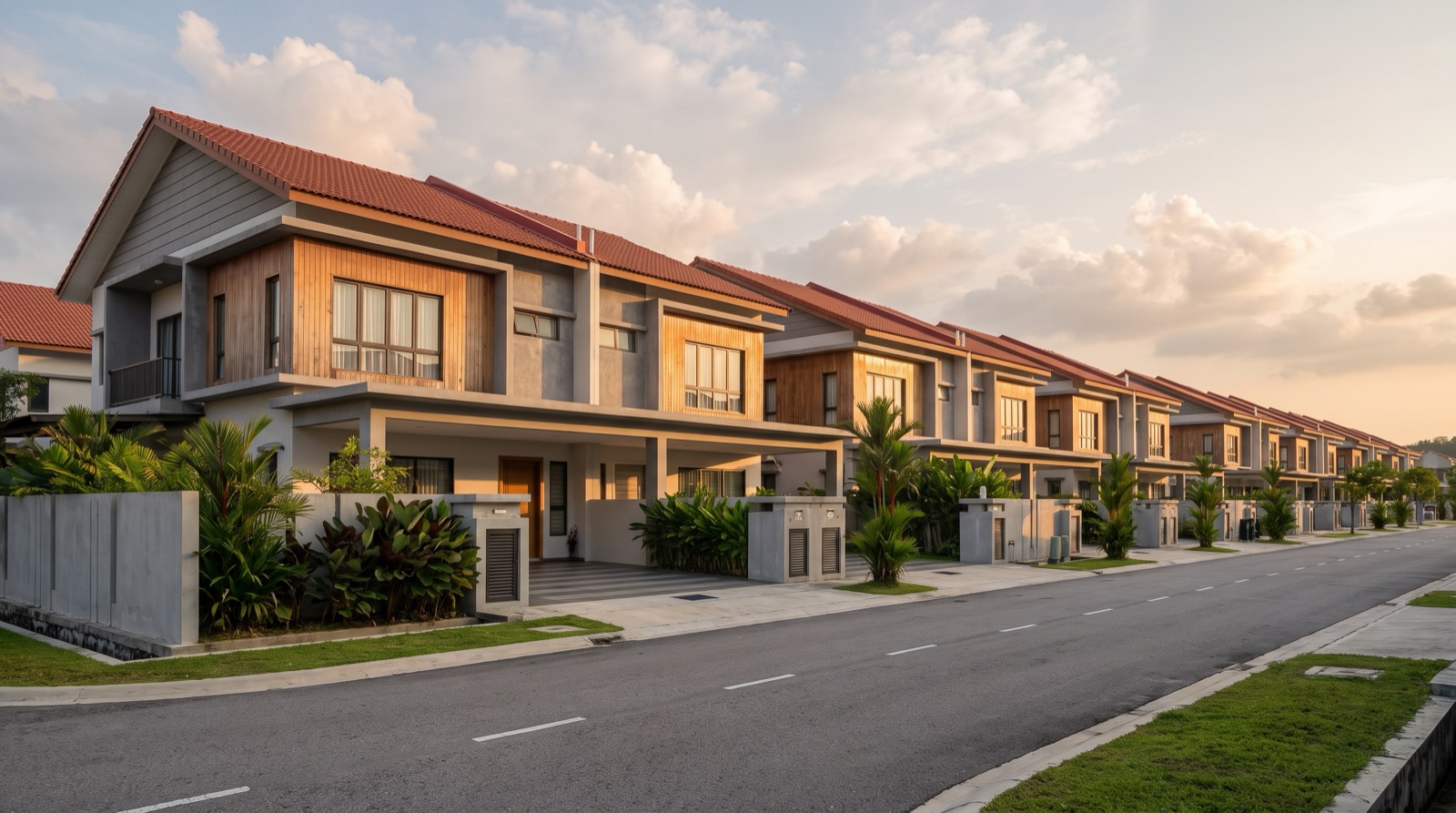
Smart home retrofit Malaysia house type: what is easy, what is painful, and what it costs to start - terrace, shop lot, walk-up and new high-rise unit.
Aqara vs Sonoff in Malaysia compared on price, hub needs, local control and after-sales support, plus where the cheap brands genuinely win. As at Sept 2026.
Zigbee vs Wi-Fi vs Matter smart home in Malaysia compared. Learn why local control matters, what a hub does, and what actually happens when the Wi-Fi drops.
Tell us about your space. Our B2B team will reply within one business day with a recommended setup and quotation.
WhatsApp us →
[email protected]
+603-5880 5486