







Zigbee vs Wi-Fi vs Matter smart home in Malaysia: choosing a hub
Zigbee vs Wi-Fi vs Matter smart home in Malaysia compared. Learn why local control matters, what a hub does, and what actually happens when the Wi-Fi drops.
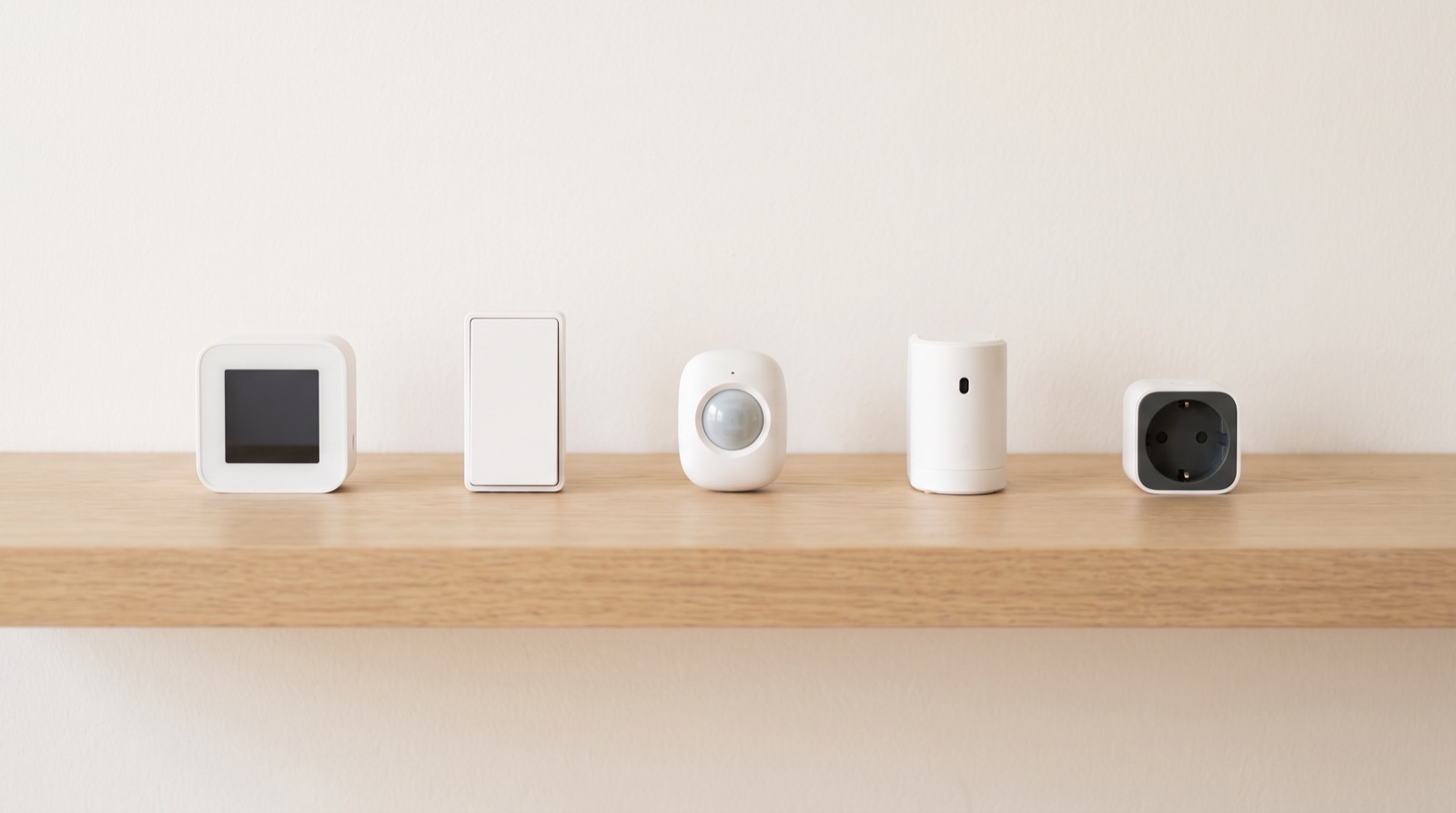
Answer up front — There is no single winner, and any comparison that says otherwise is selling something. Sonoff, Shelly and Tuya-based devices cost less per unit and can run without a cloud connection, which makes them the right call for one switch in one room. Aqara wins on ecosystem depth, Apple HomeKit and Matter, and on having a hub that keeps running your automations when the Wi-Fi drops. In Malaysia the deciding factor is usually local stock and someone you can actually call.
Before comparing price, it helps to know that these are not four equivalent things. Aqara designs its own hardware and its own app. Shelly and Sonoff also design their own hardware, but on a low-cost, small-module model. Tuya is different again: it is a platform and an app that other brands license, so "a Tuya device" can be made by almost anyone.
That difference matters more in Malaysia than the specification sheet suggests. An Aqara product you buy from the official Malaysian distributor has a local counterparty. A platform device bought direct from an overseas marketplace has a counterparty somewhere else, and your remedy when it fails is a dispute with a seller and a courier.
| Aqara | Sonoff | Shelly | Tuya-based devices | |
|---|---|---|---|---|
| Typical price per device | Higher | Low | Low to mid | Lowest |
| Needs a hub? | Most sensors and switches do | Depends on model | Usually not for basic relays | Depends on model |
| Local control when internet drops | Yes, via a hub | On many models, on others not | Usually local-first by design | Often cloud-dependent |
| Apple HomeKit | Yes | On selected models | On selected models | Usually via a bridge or not at all |
| Matter | Yes, via a Matter controller hub | Limited and model-specific | Model-specific | Widely supported, quality varies |
| Malaysian stock and support | Through the official distributor | Depends entirely on the seller | Depends entirely on the seller | Depends entirely on the seller |
| Best fit | Whole-home system | Single device, tight budget | Retrofit work driven by an installer | Bulk, cheap, single-purpose devices |
Prices, model availability and support arrangements for the non-Aqara brands change constantly and are not set by any Malaysian distributor. Check the specific model with the seller before you commit. For Aqara, ask us for current pricing.
Being straight about this is the point of the article, because if you only read the other side you will overpay.
Per-device cost. An Aqara smart ceiling light costs noticeably more than a generic ceiling light module on a Tuya platform. For a bedroom nobody uses, that difference is real money and nobody will notice.
No hub, no hub cost, no hub to lose. Some Shelly and Sonoff relay modules run their own logic on the device. You do not buy a hub, you do not lose the hub, and the automation does not stop because a hub rebooted. For a single fan or a single light point, that architecture is genuinely simpler than ours.
Local-first behaviour. This is the strongest argument for the cheaper brands, and it is a fair one. A local-first device executes the command on the device. Aqara does this too, but only through a hub — so if you are comparing one local-first device against Aqara-with-a-hub, the local-first device is ahead on paper and you should buy it.
No subscription, no account politics. Buy the hardware, it works. There is a freedom in that.
Choice. There are thousands of Tuya-compatible devices. Some are excellent. Some are terrible. The variance is the problem, not the platform.
Most regret in this category does not come from choosing the wrong brand. It comes from how the thing was bought.
Buying direct from an overseas marketplace. A module costing the price of a lunch, shipped to KL, is cheap. It is also outside Malaysian consumer law, outside any local warranty process, and outside the reach of a return. Add a plausible shipping delay, a failed device and the need to ship it back, and the real cost is not the lunch.
Mixing four apps. Two Tuya devices, one Shelly relay, one Sonoff strip and an Aqara switch is not a smart home. It is four small systems, four apps, and no automation that crosses between them. If you want rules that span devices, that is a system decision, not a shopping decision.
Buying sensors before the hub. Sensors are the cheapest way to feel productive and the easiest way to end up with a shelf of parts that do nothing. Decide the hub first.
Buying the switch before checking the box. This one is specific to Malaysia and it is the most common expensive mistake. Most conventional smart switches need a neutral at the switch box, and loop-in lighting wiring in older Malaysian homes does not provide one. A back box that is too shallow is the second problem. Check both before you buy anything that screws into a wall.
Ecosystem depth. Aqara is Zigbee-first. A single hub can control up to 128 related devices — lights, switches, sensors, locks, curtains, cameras — from one app, on one dashboard, with one automation engine. The cheap route usually means assembling that from three or four apps that do not talk to each other.
Apple HomeKit and Matter. The Aqara ecosystem works with Apple HomeKit, Amazon Alexa and Google Assistant. Matter matters over the next few years because it is meant to stop the walled-garden problem, and you cannot join it with a device that has no Matter controller. Getting that right from day one is cheaper than replacing the hub later.
Local automations that survive a bad internet day. With a hub, your scenes and automations run on the hub. Unplug the router and the schedule still fires. In Malaysia, with power interruptions and patchy fibre in some areas, that is not a theoretical benefit.
Local stock and a local counterparty. This is the one competitors cannot copy. As the official certified Aqara distributor in Malaysia, Synchroweb holds local stock, local warranty and local support. If a switch is faulty, you are not shipping it back to another country and hoping. That is worth more than the price gap, and it is worth more again if you are fitting twenty switches instead of one.
One app, one support line. When something misbehaves, the person you call can see the same ecosystem you are looking at.
Honesty cuts both ways, and if you are reading this to decide, you need the other half.
| Your situation | Buy |
|---|---|
| One switch, one fan, tight budget | Sonoff, Shelly or a Tuya device |
| A single room, no plans to expand | A local-first module, no hub |
| Whole-home plan, 10+ devices, want it to keep working offline | Aqara with a hub |
| Already in the Apple ecosystem | Aqara, for HomeKit and Matter |
| A condo you will resell or rent out | Aqara, because someone local can support it |
| A landed house mid-renovation | Aqara, and pull the neutrals first |
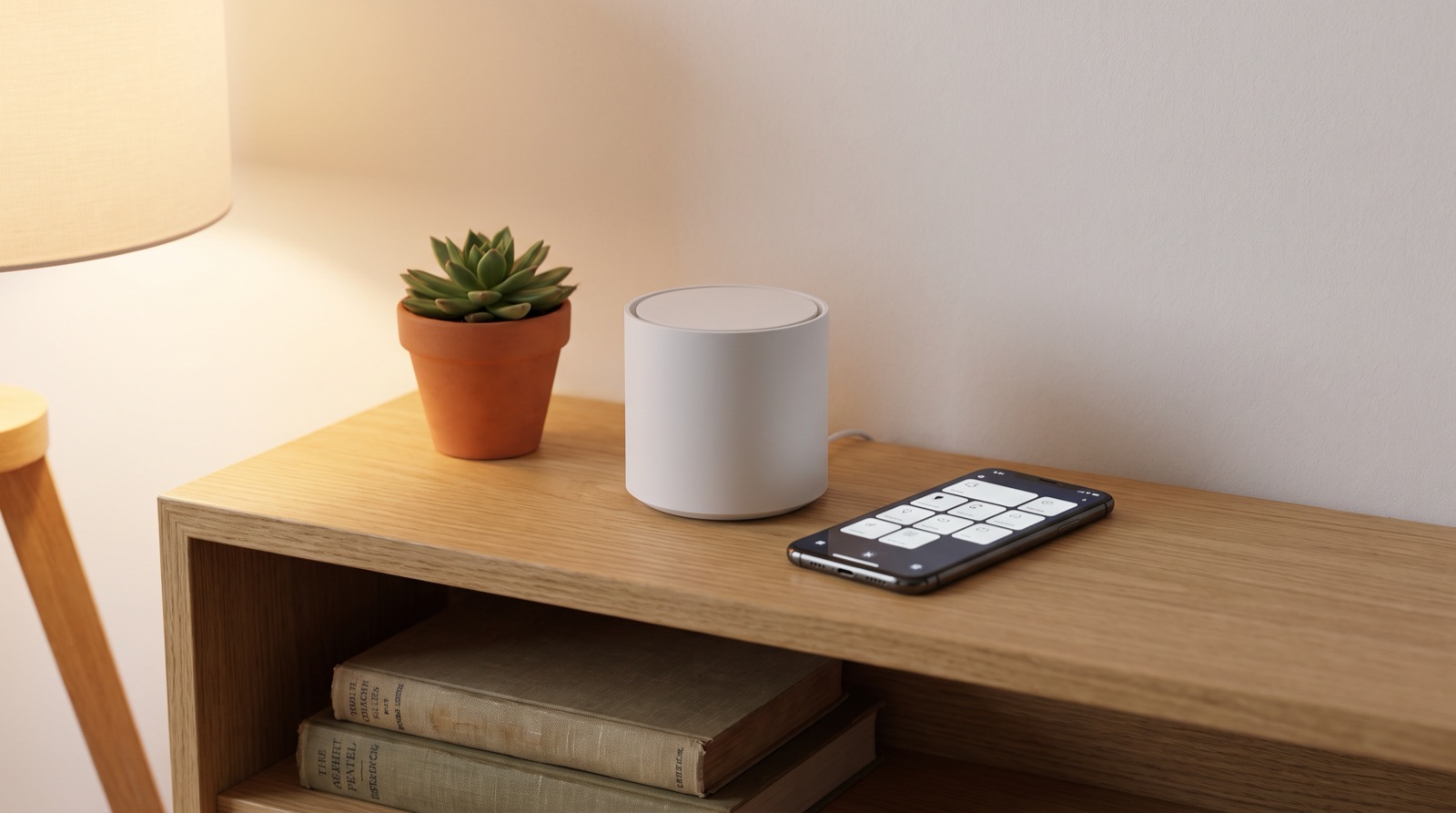
Zigbee vs Wi-Fi vs Matter smart home in Malaysia compared. Learn why local control matters, what a hub does, and what actually happens when the Wi-Fi drops.
Smart home cost in Malaysia: rough RM500, RM2,000 and RM10,000 budget bands, what each one typically covers, and why installation labour is a separate line.
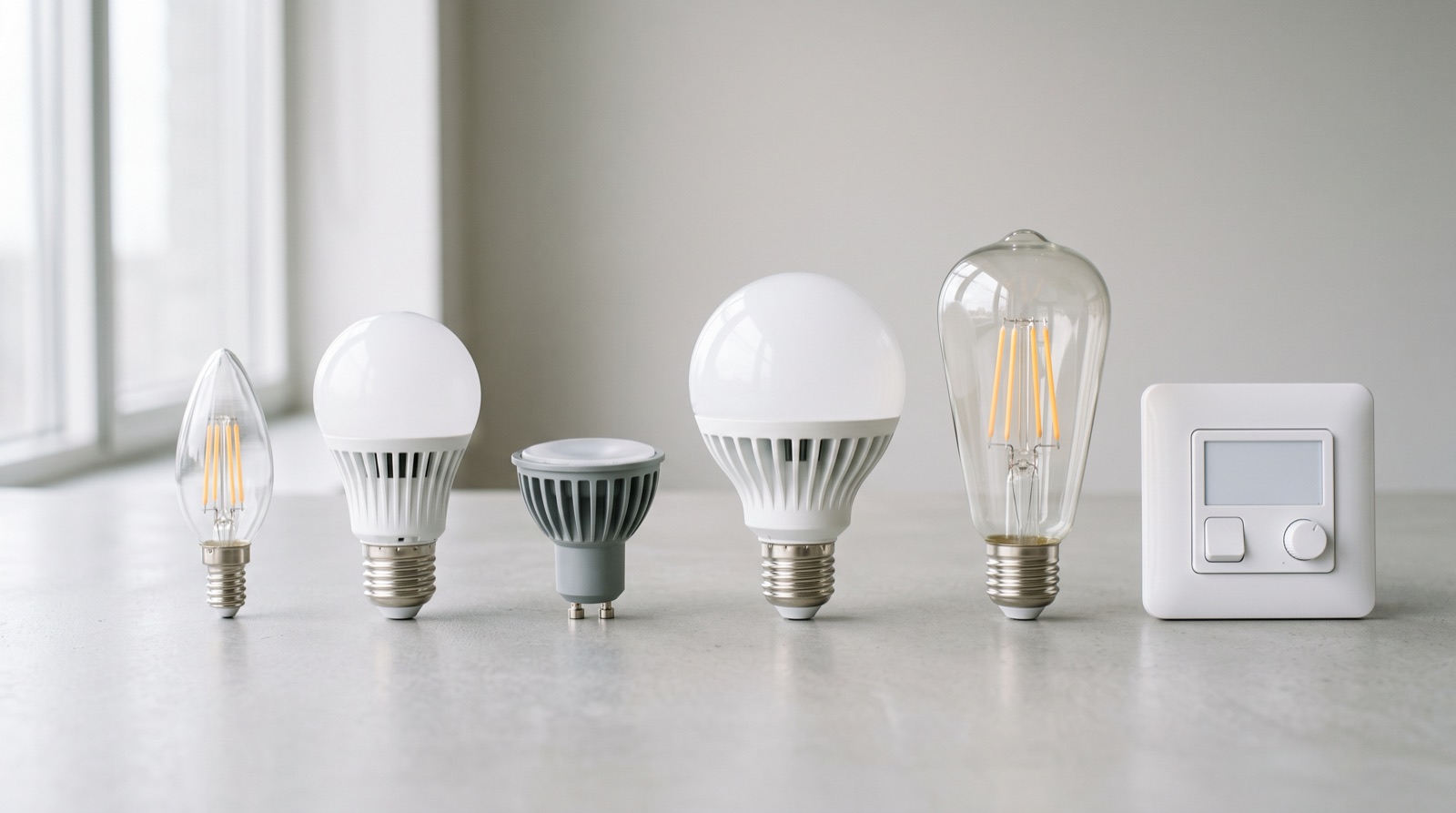
A smart dimmer LED compatibility guide: minimum load, driver behaviour, flicker causes, the 20A rule for aircon and water heaters, and the capacitor fix.
Tell us about your space. Our B2B team will reply within one business day with a recommended setup and quotation.
WhatsApp us →
[email protected]
+603-5880 5486