







Smart Switch LED Flicker Malaysia: Why Your Light Never Goes Off
Smart switch LED flicker Malaysia: the glow is no-neutral trickle current, not a bad switch. Three fixes that work, and when to stop trying to fix it.
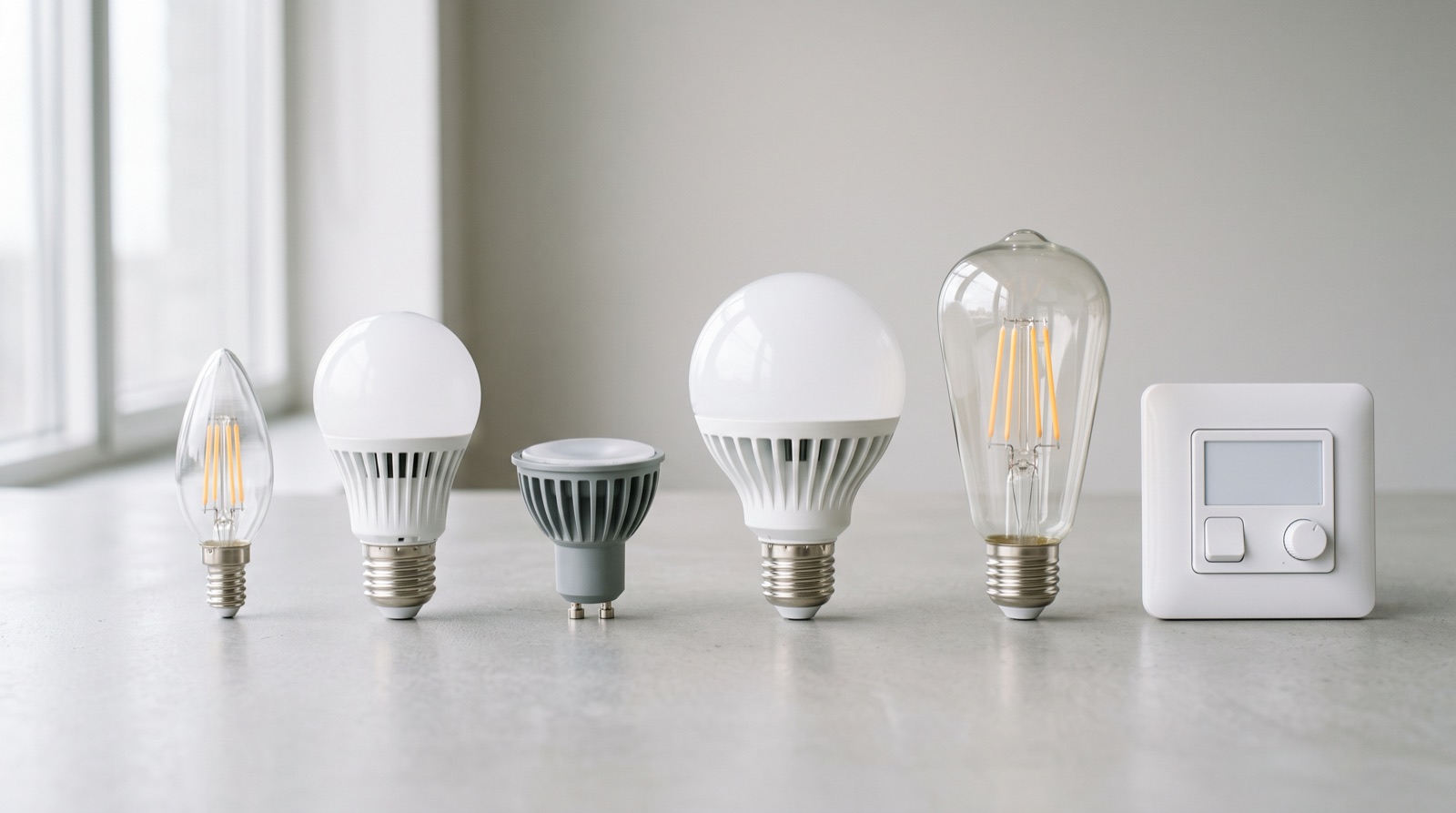
Answer up front — LED compatibility on a smart switch in Malaysia is decided by three things, in this order: does the device have a minimum load, and is your actual lamp load above it; is the load an LED with an electronic driver or something more forgiving; and are you fitting a lighting device or a 20A load. Confirm the exact minimum load against the product datasheet before you quote — the number is not interchangeable between models.
This is a trade document. If you are a homeowner, the useful part is the last section — why your downlights flicker and what stops it.
Never quote a device before you know what is on the circuit. Go to the fitting and look. Record what is fitted now (LED panel, downlight, CFL, halogen, incandescent, or a mix on one circuit), how many points the circuit serves, whether an existing dimmer is in the wall, and what driver is in the fitting. That last one is the biggest cause of flicker and ghost glow, and it is invisible from the switch position.
A load you have not written down is a load you will be told about on the return visit.
A no-neutral device has no neutral to power its own electronics. It draws a small trickle current through the load itself to stay alive. That current is enough to keep the radio and microprocessor running, and not much more.
If the load is too small, two things happen: the device may not hold the load off cleanly, and the trickle current may not be enough to power it reliably at all. The symptom is a light that will not turn off, or a switch that needs to be operated twice.
The minimum load figure is a datasheet number, and it is specific to the model. Do not carry a wattage figure in your head from one product to another, and do not take a number from a forum, a marketplace listing or another supplier's page. Read it off the datasheet for the exact SKU you are fitting, and record it on the survey sheet next to the lamp count for that circuit.
Where the datasheet is not to hand, ask us. Email [email protected] or call +603-5880 5486 and we will confirm against the current product data rather than you guessing from memory.
| Load on the circuit | Behaviour on a no-neutral device | What to do |
|---|---|---|
| Incandescent / halogen | Easiest case. High resistive load, no driver, plenty of current for the electronics. | Usually fine. Confirm minimum load is still met. |
| CFL (compact fluorescent) | Moderate, no electronic driver in the lamp itself, but starts slowly. | Usually workable. Test one fitting before the whole circuit. |
| LED bulb, integrated driver | The common failure case. The driver is a switched-mode supply that may behave badly with trickle current. | Expect to test. Keep the anti-flicker capacitor option ready. |
| LED panel / downlight, external driver | Highest risk. Cheap external drivers are the usual source of flicker and ghost glow. | Identify the driver before quoting. Budget for the capacitor or a driver change. |
| Mixed LED + non-LED on one circuit | The non-LED point may mask the LED flicker; the LED points still flicker. | Treat as an LED circuit. Do not assume the mixed circuit is fine because one lamp looks clean. |
| Existing dimmer in the wall | Two dimming stages in series, often incompatible. | Remove the existing dimmer or choose a different approach. |
Be straight with the customer about what the current Malaysian range does and does not do. Parts of the range are switching devices; parts are lighting products — such as the Aqara LED Bulb T2 and the Ceiling Light T1M — which change output or colour temperature themselves, through the hub, rather than dimming an existing arbitrary lamp circuit.
If the homeowner wants to dim a specific existing fitting, confirm with us which current product actually serves that requirement before you promise it. Do not assume a dimmer module is in the range because the job needs one.
Where an existing dimmer is already in the wall, the usual answer is to replace it rather than stack a smart device behind it. Stacking a leading-edge dimmer with a smart switch that is itself doing phase-cut control is a poor bet, and it is not a call to make on site without testing.
Ghost glow — the faint orange or amber glow in an "off" LED — is almost always the no-neutral trickle current, not a faulty product. The current passes through the driver and the driver leaks a little light. Flicker on turn-on or in steady state is the same root cause showing up differently, made worse by drivers with low standby behaviour.
Three fixes, in order of preference:
The capacitor is a band-aid for a load that is too small or a driver that is too cheap. If the homeowner has four good LED downlights on a corridor and the circuit still misbehaves, the answer is the relay module, not a fourth capacitor.
This is not a lighting decision, and it is where quotes go wrong. Aircon and water heater circuits in Malaysian homes are typically 20A. A lighting device is not a substitute for a 20A device — different load, different construction, different duty. Fit the Aqara Smart 20A Switch H1 (SEA Version) on the correct circuit, and treat the work as fixed electrical work by a wireman registered with Suruhanjaya Tenaga. Record those positions separately on the survey sheet from the lighting positions, with their own circuit reference. They are never quoted in the same line item.
Run this before the product goes into the box. It takes five minutes and it is the difference between a clean handover and a callback.
| Check | Pass condition |
|---|---|
| Neutral present at the box | Recorded yes/no per position, on the survey sheet |
| Back box internal depth | Measured with faceplate off, recorded in the survey findings |
| Gang count | Device gang count matches the switch being replaced |
| Load on circuit | Lamp type and count recorded |
| Minimum load | Datasheet figure for the exact SKU, compared against the load above |
| Driver type | Identified at the fitting, not assumed |
| Existing dimmer | Present or removed, decision recorded |
| Circuit reference | MCB number recorded for the position |
| Circuit load class | Lighting, or 20A aircon / water heater — correct device selected |
| Lamp pairing | Aqara bulbs and lighting products on circuits where load behaviour is predictable |
Flicker or a faint glow when the light is off is almost always the no-neutral device on an LED load. A breaker that trips, a hot smell or buzzing is a different problem and needs a registered wireman today — the rules on who may do which part are in the SIRIM, Suruhanjaya Tenaga and PDPA checklist.
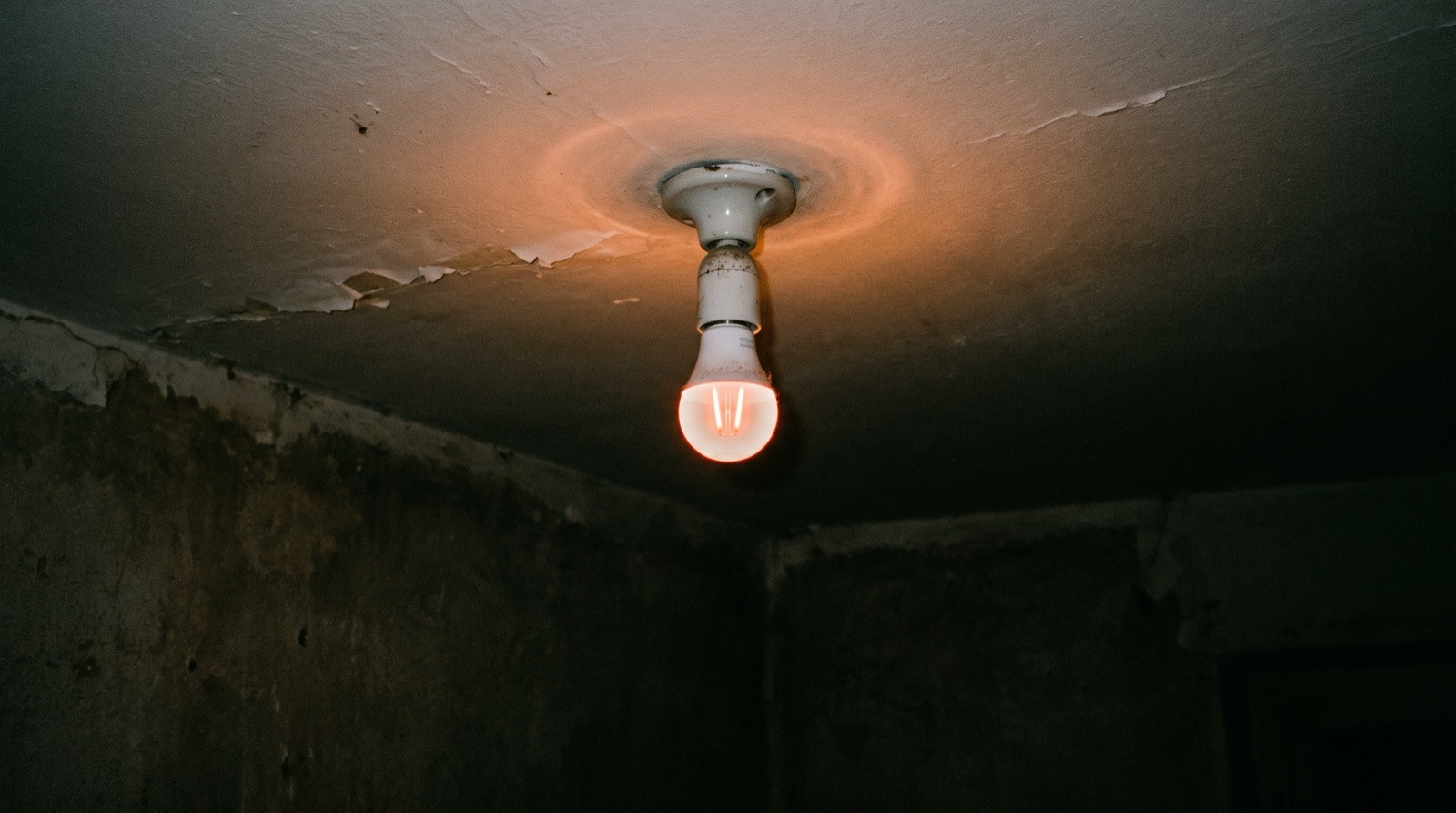
Smart switch LED flicker Malaysia: the glow is no-neutral trickle current, not a bad switch. Three fixes that work, and when to stop trying to fix it.

A smart home site survey Malaysia checklist: how to record neutral presence, back box depth and circuit ID at every switch position, before you quote.
From the official Aqara Malaysia distributor: the current range, which products need a neutral, back box and gang needs, aircon loads and local support.
Tell us about your space. Our B2B team will reply within one business day with a recommended setup and quotation.
WhatsApp us →
[email protected]
+603-5880 5486