







Smart hotel Malaysia: what operators actually ask the team
Smart hotel Malaysia: the AqaraLink Industry Application Platform for hotels, serviced apartments and offices, and the operational questions operators ask.
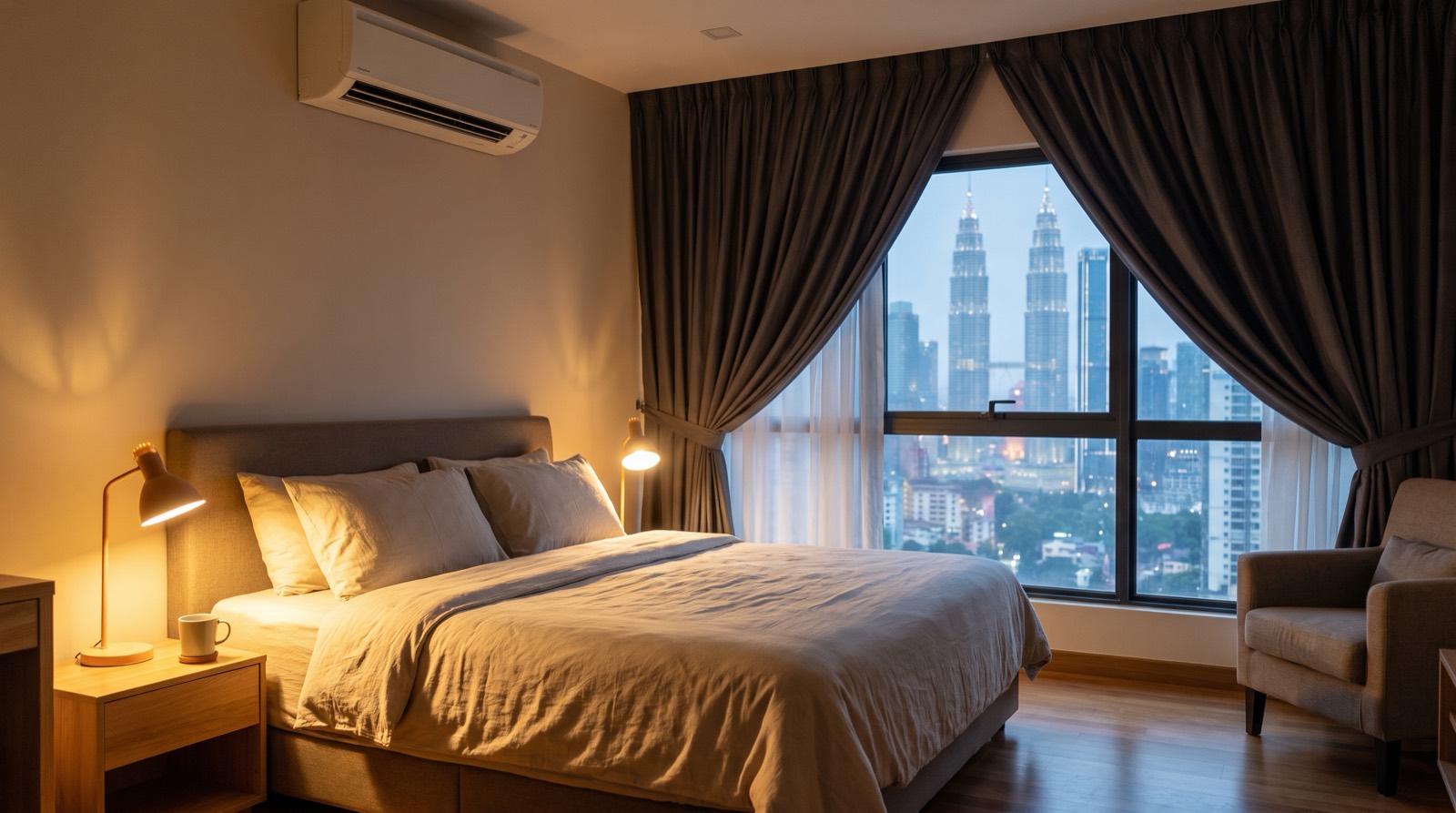
Answer up front — For a Malaysian hotel or serviced apartment operator, occupancy is the operational primitive: knowing whether a room is genuinely occupied is what makes after-hours energy cost and turnover real rather than merely scheduled. Without it, everything is a timer — lights off at 11pm whether anyone is in the room or not, housekeeping on a rota whether the guest has left or not. Spatial intelligence changes that by making occupancy a live signal that both lighting, air-conditioning and housekeeping logic respond to. The platform is built around a split between the guest side, where an occupant controls their own ambience, and the operator side, where management handles security and operations remotely. In Malaysia the tropical cooling load makes that split commercially material, and serviced apartments need a different model from hotels.
We have written about the industry platform operators ask about — what the AqaraLink industry application platform does and what it is used for — in hotels, serviced apartments and offices. This post is deliberately a different angle. It is not about the platform's feature list. It is about the single signal that makes a hospitality building operationally viable: whether a room is actually occupied, right now.
Almost every cost and every operational failure in a hotel traces back to the same missing fact: we do not reliably know who is in the room.
| If you know occupancy | Then this becomes possible | Instead of |
|---|---|---|
| Room genuinely occupied | Air-conditioning and lighting stay on because someone needs them | A fixed schedule regardless of presence |
| Room empty but not yet cleaned | Status visible, response routed correctly | Housekeeping knocking on a door to find out |
| Guest departed early | Turnover triggered by the fact, not the calendar | A nightly check of every room |
| Guest in room late | Nothing is cut out from under them | Aggressive after-hours cut-offs damaging the stay |
| Public areas busy | Cleaning and staffing timed to actual traffic | Staffing to a shift grid |
The reason timers fail is that they are always wrong in the expensive direction. Cut out too early and you generate complaints and compensation. Cut out too late and you pay for air-conditioning in an empty room through a tropical afternoon.
In a Malaysian climate this is not a marginal saving. Cooling load dominates the energy profile of a hotel room, a serviced apartment unit or an office floor for most of the year, and the hours between a guest leaving and housekeeping finishing are exactly the hours when rooms are empty and still running.
The platform is designed around two distinct users, and conflating them is the classic hospitality project mistake. A guest who can reach the operator's controls is a liability. An operator who can see nothing is blind.
| Guest side | Operator side | |
|---|---|---|
| Who it is for | The person staying in the room | Staff and management |
| What it covers | Own ambience — lighting, temperature, curtains | Room status, energy policy, security, maintenance response |
| Typical use | Adjust the room without asking anyone | See which rooms are occupied, vacant, occupied-but-due-for-turnover |
| Who configures it | Nobody — the guest just uses it | The operator, at commissioning |
| Failure mode | Guest cannot make the room comfortable | Staff cannot tell which rooms need attention |
The guest side is what makes a room feel like a room rather than a hotel: control your own lighting and temperature, adjust the curtains, set the ambience for the evening, and do it without calling reception. That is a satisfaction outcome, and it is the outcome most guests will actually notice.
The operator side is what makes the building pay: remote visibility of room state, energy policy that responds to real occupancy rather than the clock, and maintenance routed to the right room at the right time. Our post on access control, security and after-hours operation covers that operational layer in more detail.
The rule that keeps both sides workable: the guest controls ambience, the operator controls policy. A guest can set the room to 24°C. A guest cannot set the room to 18°C for the whole night on the operator's energy budget.
Turnover is where occupancy data changes an operation most visibly, because it converts a fixed labour schedule into a responsive one.
The conventional model assumes a nightly number of rooms and works backwards, dispatching housekeeping regardless of whether a guest has departed. That produces the two failures operators know well: housekeeping arriving at a room whose guest is still in it, and vacant rooms sitting uninspected because they were already signed off in the morning.
With live occupancy, the room reports its own state. Departure becomes an event. Turnover ordering can follow the sequence of what actually happened — the rooms that emptied early get done first, the occupied ones are not touched, and the late departures are handled as they arise rather than disrupting the morning sequence.
The requirement this places on hardware is specific: a presence sensor has to distinguish "somebody is in this room" from "somebody was in this room recently." A motion sensor alone will report an empty room the moment a guest sits still reading, which is precisely the failure mode that makes operators distrust the whole system. Our post on presence sensor vs motion sensor sets out why that distinction is the whole game.
In Malaysia, the value of occupancy-driven control is concentrated in air-conditioning rather than lighting, and that is worth stating plainly to anyone building the business case.
| Factor | Why it matters operationally here |
|---|---|
| Cooling dominates room energy | Air-conditioning is the largest controllable load in most rooms |
| Afternoon heat peak | The unoccupied-window problem is at its most expensive in the afternoon |
| Humidity and rain | Rooms left unconditioned can take a long time to recover, so cutting too aggressively backfires |
| Guest expectation | A room that has been switched off is a complaint; a room at the wrong temperature is a complaint |
| Grid and tariff exposure | Energy is a measurable operating line, not an abstraction |
That last tension is the design problem: in a humid climate, switching a room off completely to save energy can leave it uncomfortable for a long time afterwards, so an occupant who returns finds a hot room and a poor impression. Occupancy-driven control solves this better than a timer does, because it does not have to choose between fully on and fully off — it responds to the actual state of the room.
We cover the climate-side argument in more detail in Aqara thermostat and aircon control in Malaysia.
This deserves separating out, because a serviced apartment operator and a hotel operator make different decisions with the same hardware.
| Hotel | Serviced apartment | |
|---|---|---|
| Who is in the room | A guest, usually for a night or two | A resident, often for months |
| What they expect | Consistency and service | Control, and to be left alone |
| Turnover model | Frequent, structured | Episodic, around departures and cleanings |
| Energy policy | Operator-led, guest rarely sees the cost | Resident is paying the bill — policy must be fair |
| Control emphasis | Guest comfort, operator visibility | Resident autonomy with operator oversight |
| Access model | Staff and guest | Resident, family, guests, cleaners — all need controlled access |
| The real problem | Response speed at scale | Long-term maintenance and resident turnover |
The serviced-apartment case is where the guest/operator split has to be built carefully rather than assumed. A resident who pays their own electricity bill and does not want the air-conditioning switched off by a central policy is a support complaint waiting to happen; a resident who can change anything they like, including settings that raise the building's load, is an operating cost nobody budgeted for. The workable middle is resident control within an operator-set envelope — which, again, is a policy question rather than a technology question.
Long tenure also changes the technical requirement. A room occupied by the same person for six months needs occupancy sensing that does not produce false negatives at 3am, and equipment that is maintained by people who are not on site.
Occupancy data in a hotel or serviced apartment is personal data under Malaysia's PDPA. It does not need to become a surveillance system to be regulated — knowing that a named guest is present in a specific room at a specific time is personal data about an identified individual.
The practical measures worth putting in place:
We set out the wider compliance framing in SIRIM, Suruhanjaya Tenaga and PDPA compliance, and the infrastructure-side decisions — including where the data physically sits — in choosing a deployment model for spatial intelligence in Malaysia.
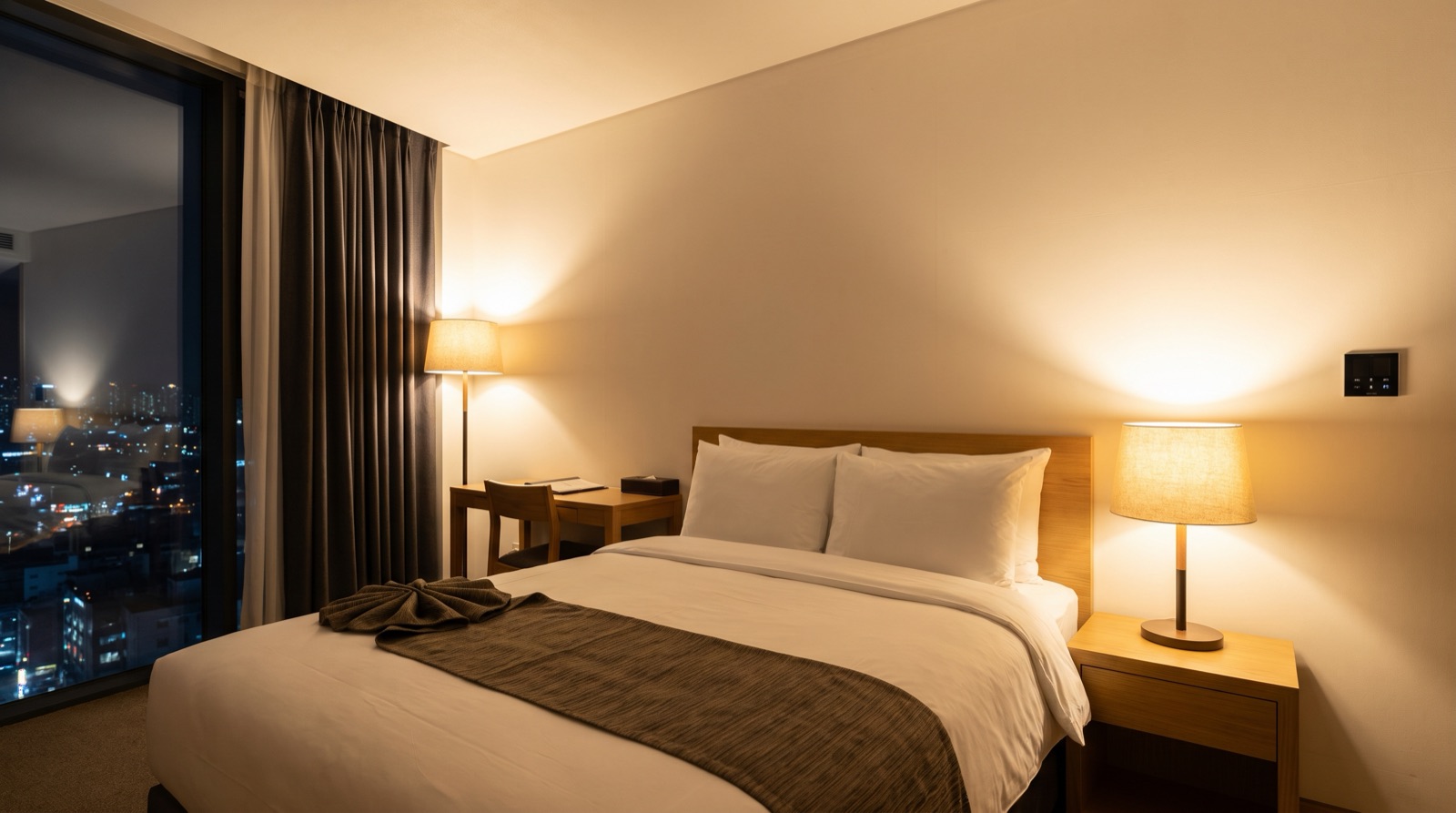
Smart hotel Malaysia: the AqaraLink Industry Application Platform for hotels, serviced apartments and offices, and the operational questions operators ask.
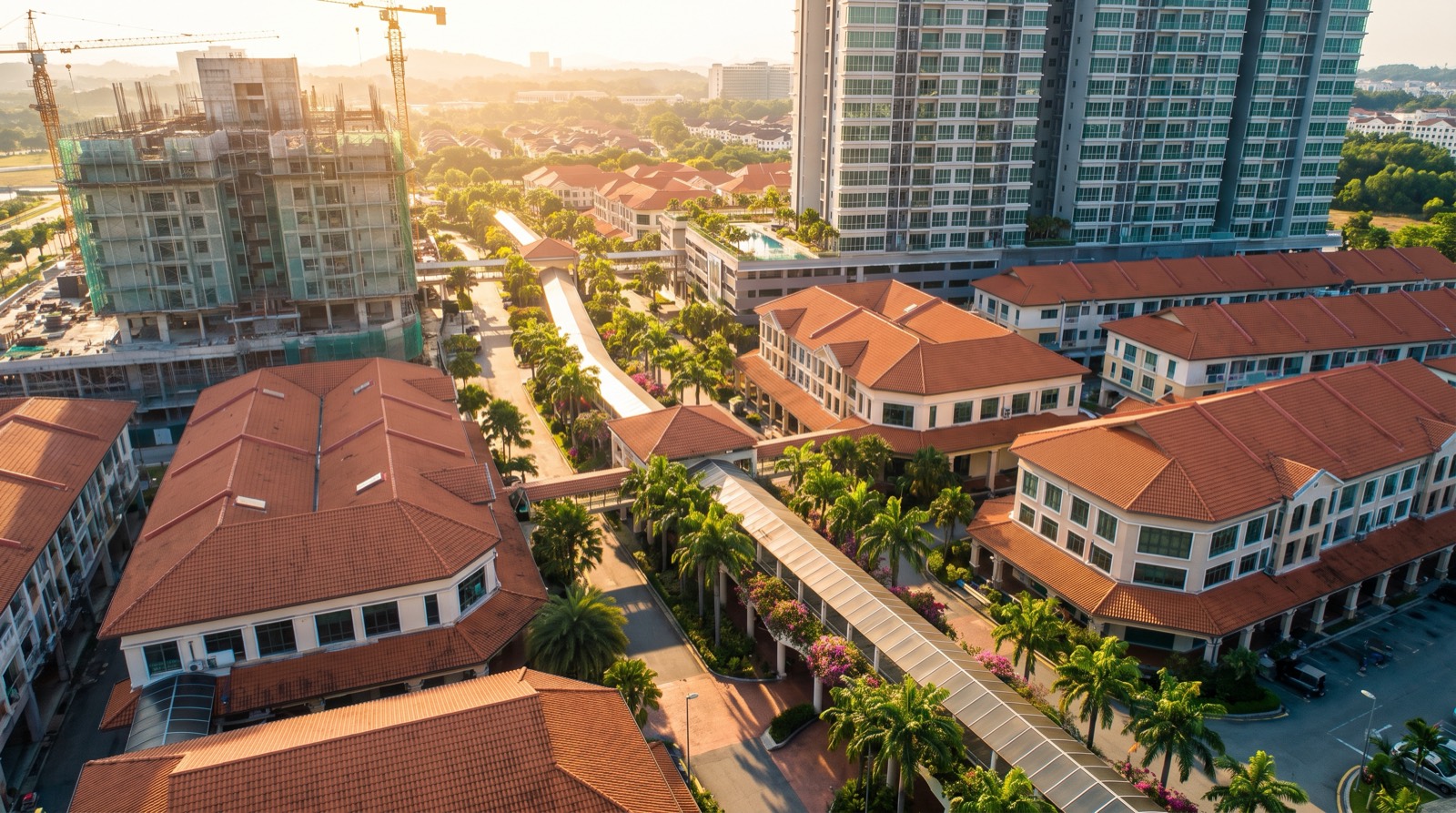
Spatial intelligence deployment model compared for Malaysia: hub-integrated, edge-deployed and cloud-hosted, covering data residency, outages and workload.
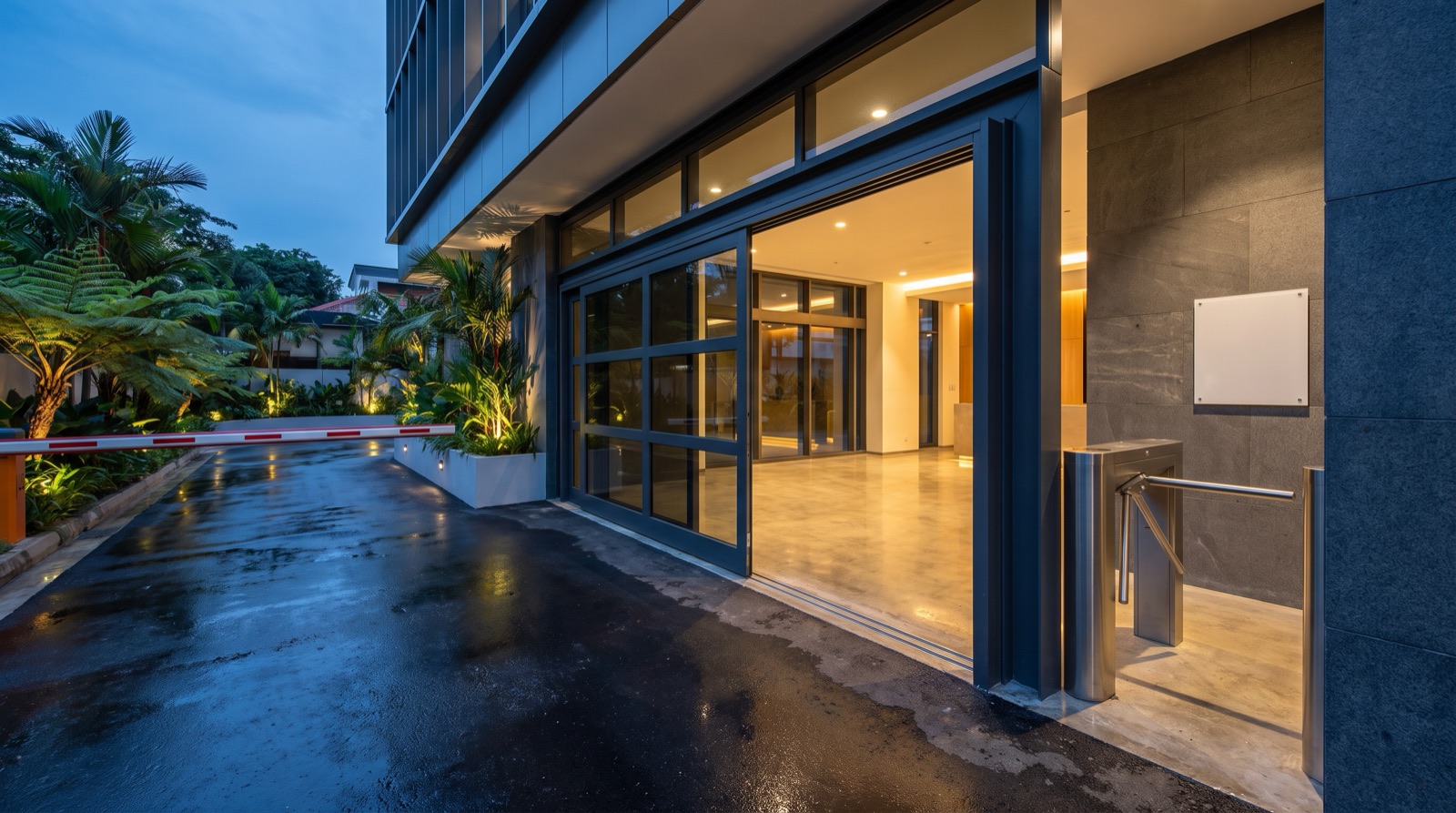
Commercial access control for smart buildings in Malaysia: which doors to automate, how presence sensing cuts after-hours cost, and the limits of CCTV integration.
Tell us about your space. Our B2B team will reply within one business day with a recommended setup and quotation.
WhatsApp us →
[email protected]
+603-5880 5486