







Smart Switch for Aircon and Water Heater in Malaysia: 20A Circuits
A smart switch for aircon and water heater in Malaysia needs a 20A device on a dedicated circuit, with inrush testing and isolator advice for installers.
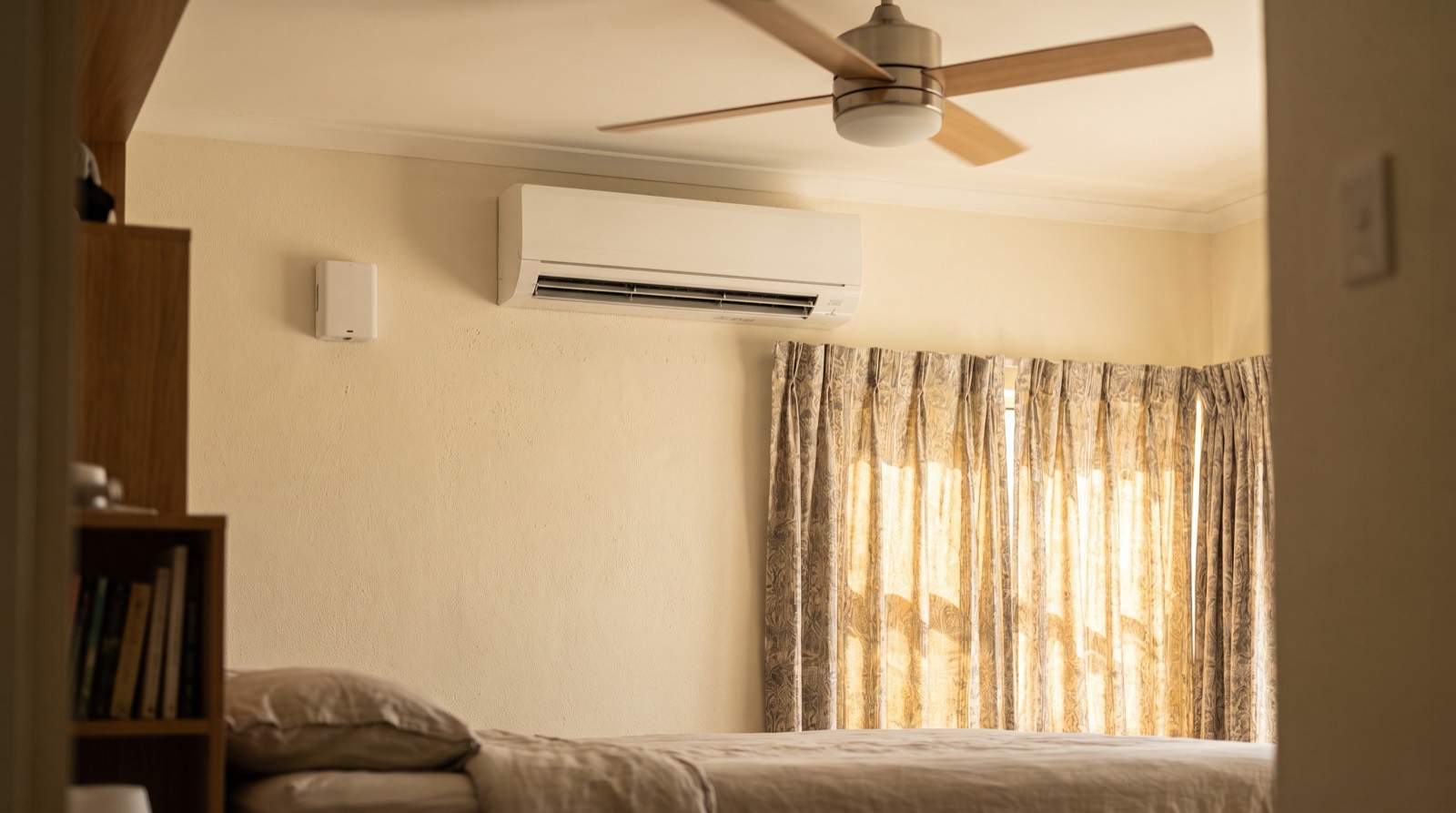
Answer up front — In Malaysia, temperature control is mostly aircon control, and that is exactly what Aqara's new Thermostat Hub W200 targets. It is a hub that reads environmental data and manages devices and automation around it, developed with guidance from Apple around a feature called Adaptive Temperature, which adjusts the thermostat from your iPhone based on activity states such as home, sleep, away and extended away. Two honest caveats first: the W200 has no confirmed Malaysian price — confirm with us — and its Adaptive Temperature behaviour depends on the Apple Home ecosystem. The second point most sellers skip is that in Malaysian conditions the hub has to keep working locally, because a smart home that stops when the internet drops is worthless in a monsoon.
Ask a smart home installer what to automate first in Malaysia and you will usually hear lighting, curtains, aircon. Ask a European installer the same question and you will hear heating. That difference is not a preference — it is climate. It changes which products are worth buying, which failures are common, and why the design decisions that matter in an English house are often the wrong ones here.
Named Malaysian market research makes the causal link directly. Next Move Strategy Consulting, in its barriers analysis, identifies the tropical climate as a demand driver: persistent heat, humidity and rainfall push households toward aircon, ventilation and moisture management. The same analysis names durability in humid conditions as a barrier to adoption. The Edge Malaysia, writing separately on the Malaysian market, identifies internet dependency — without a connection, users have limited or no access to their appliances.
Read those three together and the design brief writes itself. You need aircon control because of heat and humidity. You need equipment that tolerates humidity, rated for it rather than merely surviving it. And you need the core of it to keep working when the network does not.
There is a fourth point worth making honestly. The Edge Malaysia, in its coverage of Malaysian smart homes, notes that most of the smart homes in the market involve lighting and blinds or curtain control, alarm and CCTV integration, with limited appliance connectivity. Aircon control is genuinely less mature in Malaysia than lighting control. That is a reason to plan carefully rather than a reason to dismiss it.
| What the climate does | What it drives you to control | Why naive control wastes money |
|---|---|---|
| Persistent heat | Aircon on/off and temperature setpoint | Fixed schedules run an empty room all afternoon |
| High humidity | Dehumidification and air circulation | Cooling to a temperature setpoint without addressing moisture leaves the room clammy |
| Heavy rainfall | Window and door sensing, water ingress, ventilation timing | Rain arrives on a timer you never predicted; a closed room with a dehumidifier runs longer than needed |
| High humidity and salt air (coastal homes) | Equipment with stated humidity ratings | Consumer sensors rated for dry indoor conditions drift or fail |
Note the fourth row. This is why we quote operating humidity specifications during a survey rather than after. Aqara's FP400, for example, is specified at 0–95% RH non-condensing — though its availability in Malaysia must be confirmed with us — but a car porch is not a sheltered spot in monsoon season, which is a placement question rather than a specification question.
Adaptive Temperature is developed with Apple and appears on Aqara's Apple Home page with a plain description: it uses your iPhone to automatically adjust the thermostat based on your activity states, specifically home, sleep, away and extended away.
That is a genuinely different approach from a thermostat you set to 24 °C and forget. The setpoint is no longer the only input — your inferred state is. And it implies dependencies worth understanding before you buy:
Aqara also states that while you can control all core functions through the Apple Home app, its native Aqara Home app may offer additional features such as firmware updates and advanced settings. That matters more for a hub-based product than for a lightbulb.
There are three routes, and they are not equally good in every home.
| Route | What it involves | Strength | Weakness |
|---|---|---|---|
| Infrared retrofit | A controller pointed at the split unit's receiver, learning your existing remote | No rewiring, works with the aircon you already own, reversible | Learns from whatever remote you give it. Infrared blocked by some finishes, and it cannot read what the unit is actually doing |
| Hardwired control | Control at the aircon circuit, alongside your switch | Knows real state, works with schedules and sensors, no line of sight needed | Needs a safe isolator, circuit work, and sometimes a change to how the unit is wired — see aircon, water heater and 20A circuits |
| Hub-based climate control | A hub reads temperature, humidity and occupancy and decides | The only option where presence actually changes the decision, and where aircon joins the same automation logic as lighting | More to design, install and hand over; needs humidity-rated placement and a hub that supports it |
In a lived-in room, the third route is the only one that solves the actual problem. The first two can turn an aircon on and off; only the third can know the room is empty. That is the difference between controlling a switch and controlling a space.
This is the point that decides the purchase.
A cloud-dependent smart home is a reasonable proposition in a city with reliable fibre. In Malaysia it is a weaker proposition, for practical reasons: fibre outages during monsoon flooding, high-rise buildings with shared riser connections that affect many units at once, and time-of-day congestion. Our existing article on why your smart device keeps dropping off covers the network causes in detail.
The practical test is simple. Imagine your aircon is running, nobody is home, and a storm takes the fibre out for four hours. In a cloud-dependent system, the room may be cooled to an empty setpoint for four hours, or your automation may fail silently and nobody notices. In a local-first system, the hub keeps running the rules because the rules are on the hub.
| Failure during an outage | Cloud-dependent | Local-first |
|---|---|---|
| Empty room, aircon running | Usually keeps running, billed to nobody | Presence sensor clears it and switches off |
| Occupied room, night | Automation may not fire | Rules still fire |
| You get home to a hot house | No local control available | Local control available |
| Diagnosis | Check the cloud, then the app, then the ISP | Check the hub |
Aqara's Studio platform supports hub-integrated and edge-deployed models precisely for this reason — local data storage and local control, with cloud as an option rather than a dependency. That is discussed further in choosing between Zigbee, Wi-Fi and Matter and in the guide to Aqara Studio.
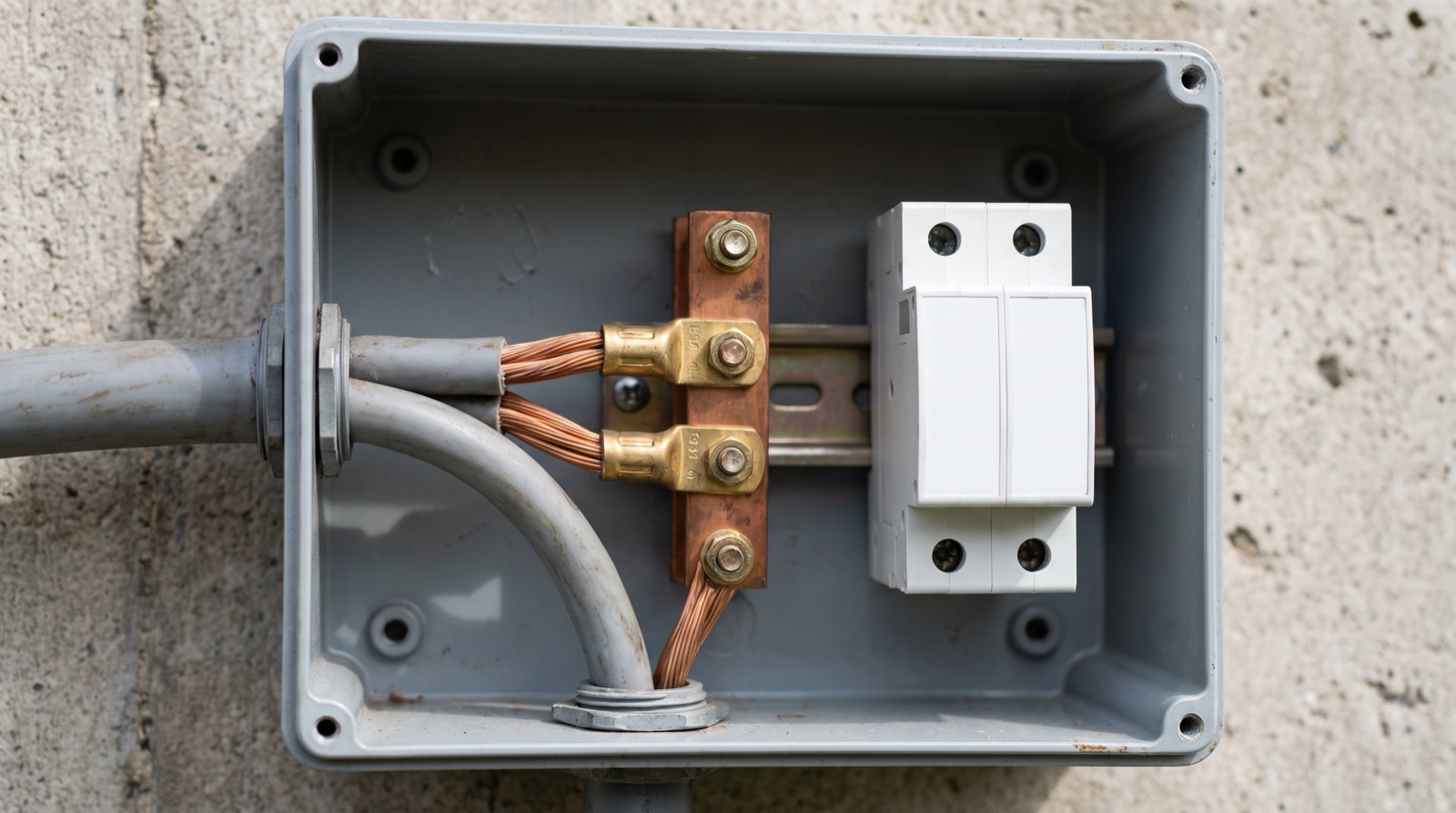
A smart switch for aircon and water heater in Malaysia needs a 20A device on a dedicated circuit, with inrush testing and isolator advice for installers.
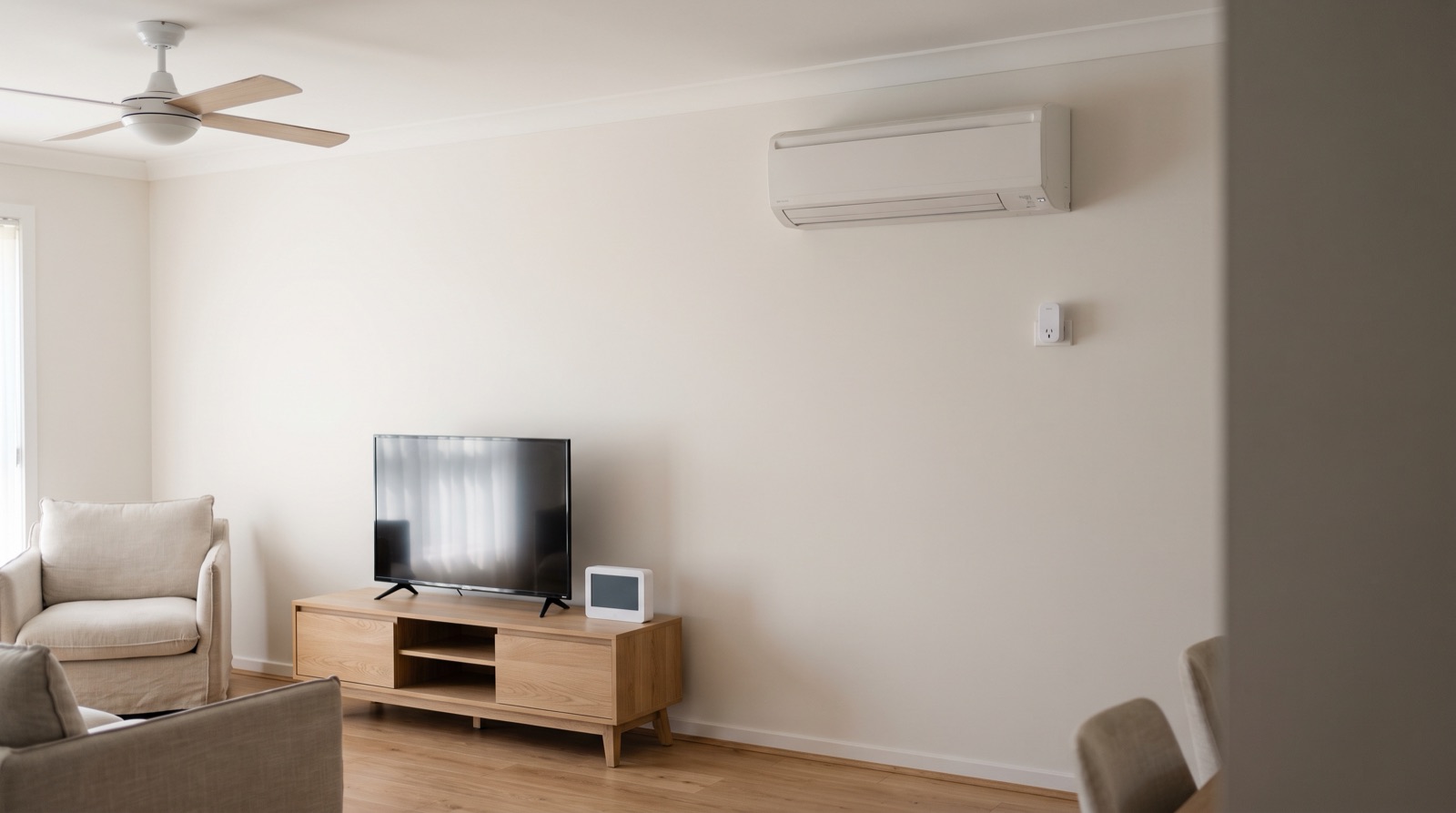
Smart home retrofit for the aircon, TV and washing machine in Malaysia: which appliances are worth automating, which to leave alone, and what to use.
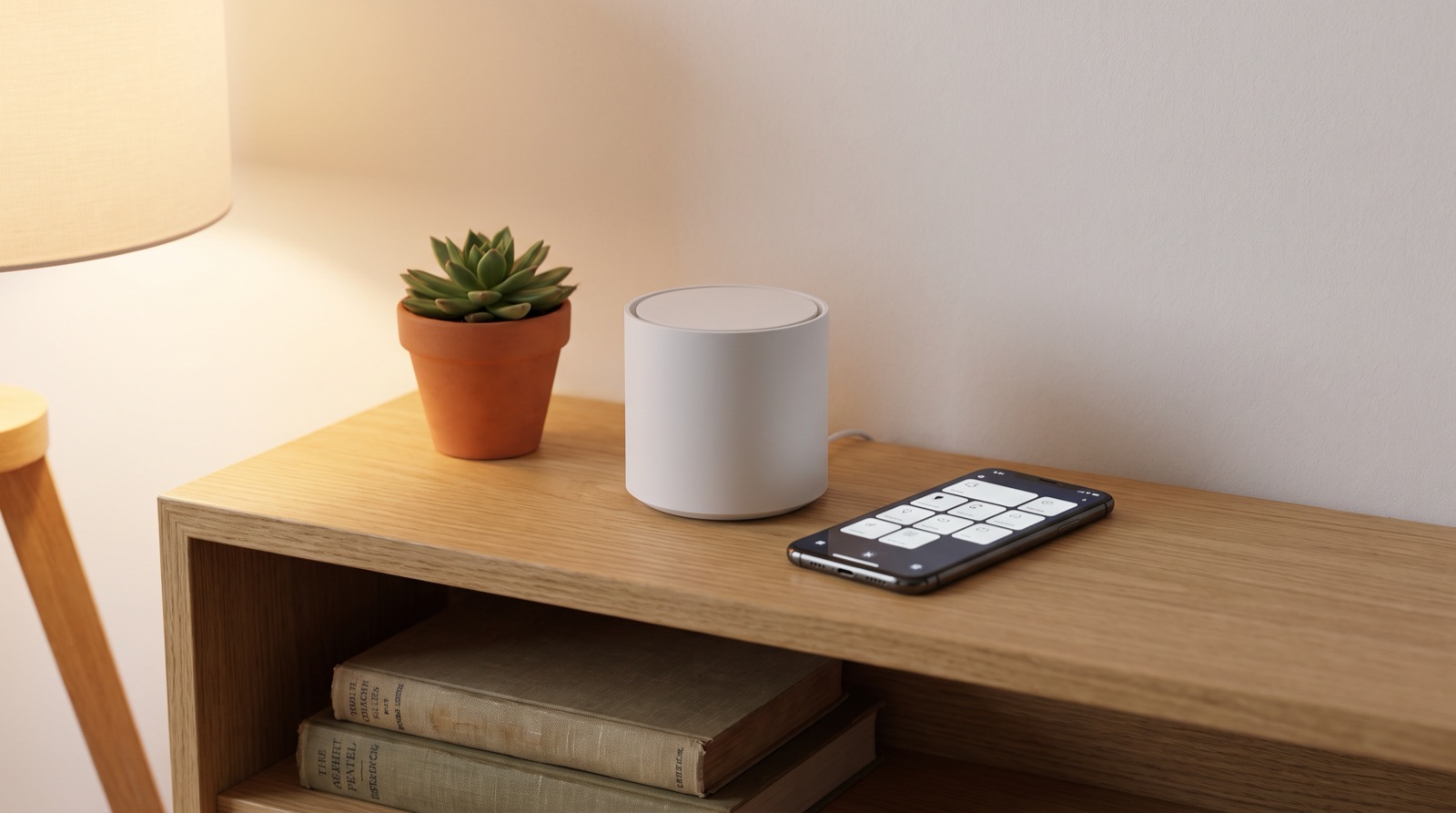
Zigbee vs Wi-Fi vs Matter smart home in Malaysia compared. Learn why local control matters, what a hub does, and what actually happens when the Wi-Fi drops.
Tell us about your space. Our B2B team will reply within one business day with a recommended setup and quotation.
WhatsApp us →
[email protected]
+603-5880 5486