







Does Your House Have a Neutral Wire? A Malaysia Smart Switch Guide
A neutral wire smart switch Malaysia guide: how to check whether your box has a neutral, why loop-in wiring leaves it empty, and what to do next about it.
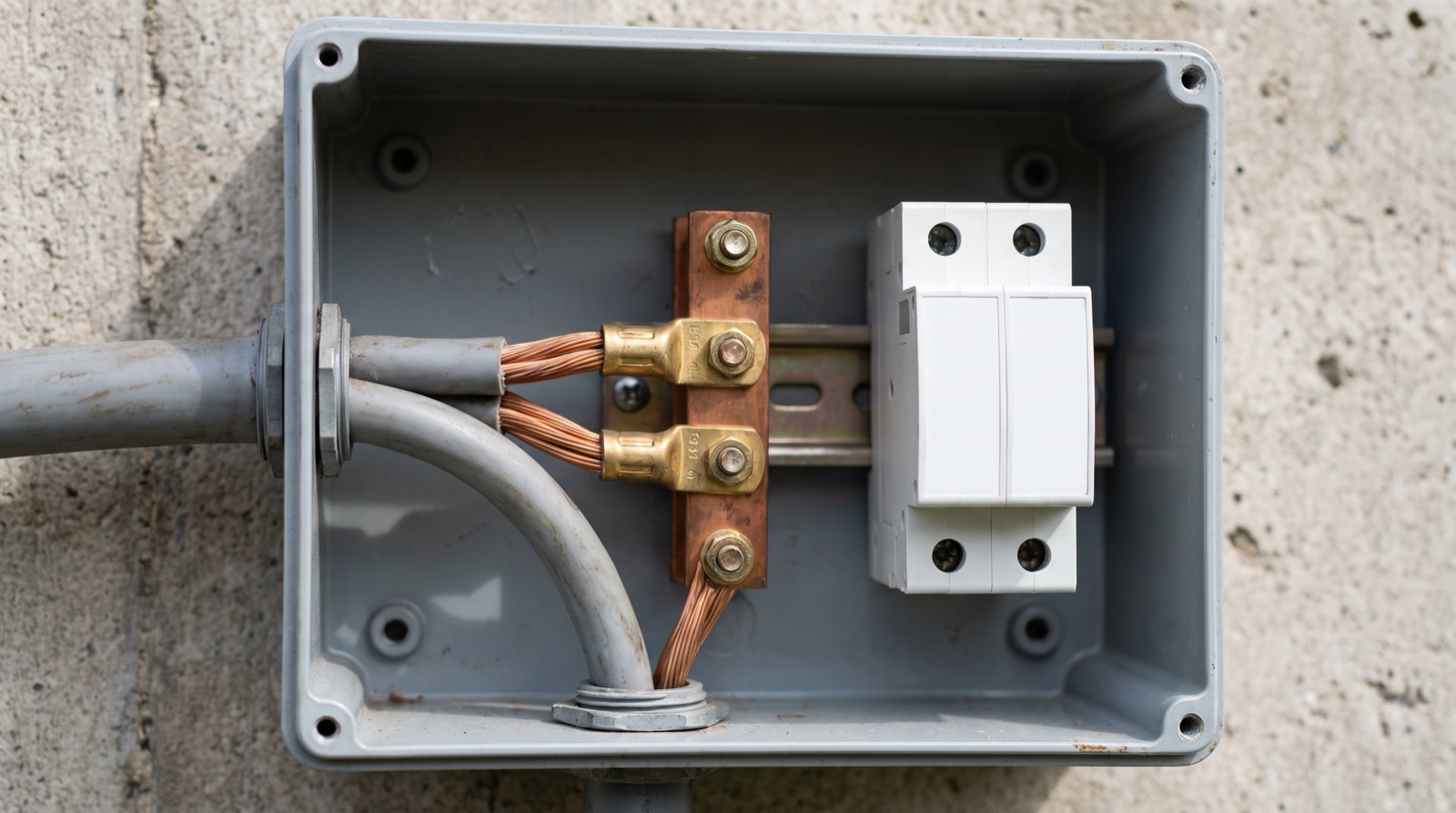
Answer up front — Never put a lighting-rated smart switch on an aircon or a water heater. Compressor and element loads draw a high inrush current at start, and a lighting-grade relay will cook, weld shut or fail within weeks. In Malaysia the correct device is the Aqara Smart 20A Switch H1 (SEA Version), installed on a properly rated dedicated circuit, commissioned with repeated cycling, and quoted with the wireman's own sizing judgement for the cable, breaker and RCD. All fixed work stays with a Suruhanjaya Tenaga-registered wireman under Act 447.
There is a lot of well-meant content online telling homeowners to "just swap the switch" on their aircon or water heater. On a lighting circuit, that is a contained mistake — a failed relay, a flicker, a return visit. On a compressor or an immersion element, it is a different class of problem entirely, because of what the load does at the instant it starts.
A compressor motor and a water heater element are not resistive loads. At switch-on they draw a surge well above their running current, for a few milliseconds to a few hundred. That surge hits the relay contacts in the smart module. Repeat it twenty times a day for a year and you have a device that has failed short, failed welded, or failed warm enough to be a fire risk inside a wall.
A lighting switch is rated for lights. An aircon socket outlet is not the same device and neither is a smart switch. The rating on the front of the module is not a marketing line — it is the contact rating, and it is the whole argument.
| Load | What it is | Correct Aqara device | Why |
|---|---|---|---|
| Downlights, ceiling lights, LED strip | Resistive, low inrush | Aqara Smart Wall Switch Z1 Pro or Light Switch H2 | Designed for lighting circuits |
| Ceiling fan with light | Motor + light | Aqara lighting switch (Z1 Pro or Light Switch H2), with the motor on its own gang | Check the datasheet for motor loads, and give the fan its own gang |
| Split aircon (1 unit) | Compressor, high inrush | Aqara Smart 20A Switch H1 (SEA Version) | 20A contact rating for compressor duty |
| Water heater / immersion | High resistive + element surge | Aqara Smart 20A Switch H1 (SEA Version) | 20A contact rating for element duty |
| Washing machine, dryer | Motor, high inrush | 20A Switch H1 on its own circuit, or leave it mechanical | Motor duty, not lighting duty |
| Socket outlet circuit | Mixed | 20A Switch H1 only if the whole circuit is on a dedicated device | Do not smart a shared socket circuit — you lose the sockets |
| Existing aircon isolator | Mechanical | Leave it. Do not remove it. | See below |
For anything in the second half of that table, if you are uncertain whether the 20A Switch H1 is the right device for the specific appliance, check the current datasheet and confirm with us. Do not infer a rating from a product name.
This section exists to tell you where the line is, not to cross it.
Malaysia runs 230V single-phase. When you convert an aircon or water heater to a smart device, you are not just changing a switch — you are taking responsibility for a circuit that now contains electronics. The cable cross-section, the breaker rating, the RCD or RCBO protection, the conductor count, the earthing arrangement and whether the circuit is genuinely dedicated are all decisions for the wireman who holds the registration, made against the current Malaysian wiring standard and their own judgement.
What you should do as the installer working alongside them:
Do not quote a cable gauge or a breaker size in a document. Confirm it, get it in writing from the wireman, and put it in the handover pack.
The same applies to the supply itself. Check that any mains-powered product you fit carries a SIRIM label and Energy Commission approval. The compliance checklist is in SIRIM, Suruhanjaya Tenaga and PDPA compliance.
A 20A Switch H1 that works once has told you nothing. The test that matters is repeated cycling under realistic conditions.
| Step | What you do | What you are looking for | Fail action |
|---|---|---|---|
| 1 | Confirm the circuit is isolated and dead at the switch position before making up | Correct identification, prove-dead proven on a known source | Stop. Re-identify the circuit. |
| 2 | Make up, energise, confirm the module powers and joins the hub | Hub shows the device online | Check pairing mode, then hub range |
| 3 | Start the load manually from the plate, 5 consecutive cycles | Contacts operate cleanly, no delay before the load starts | Investigate — a delay means a struggling contact |
| 4 | Start the load from the app, 5 consecutive cycles | Same response as manual | Module or network issue, not a load issue |
| 5 | Run the load at full draw with other loads on the same board | No nuisance trip, module stays joined | Protection or cable sizing — back to the wireman |
| 6 | Touch-test the plate, the module and the terminals after the run | Warm, not hot | Hot = fail, stop, report |
| 7 | Leave the load off, sit 10 minutes, check the device is still online | No drop-off at rest | If it drops, it is a mesh position, not a load problem |
| 8 | Cold-start test: hub down, back up, then start the load from an automation | Load starts cleanly once the mesh has rejoined | Automation timing, not contact health |
Step 6 is the one that catches a marginal device before it fails on a Sunday night. Slightly warm is normal for a relay carrying load. Hot enough that you hesitate before touching it is not.
This is the part that decides whether the job is a success. Be direct with the homeowner before you install, not after.
The isolator stays. For an aircon, the local isolator or the aircon's own control is what a technician uses to make the unit safe. If you remove it and the client is used to hitting a switch at the door before cleaning the filter, you have removed a habit they will miss and a piece of safety infrastructure they relied on. Put the smart device in the circuit and leave the isolator in place, reachable, and clearly labelled.
Say this to the client, in these terms:
What you do not do is promise that the client will never need to touch the wall switch. A ceiling-height aircon plate in a three-storey house is not a control point anyone wants to use; put the smart device where the switch is, and say plainly that the manual override is a backup, not a daily interface.
For a water heater, the honest conversation is about timing. Smart control of a water heater saves the client walking to a switch, and that is genuinely useful. It does not reduce the standing load the circuit was built for, and the circuit still has to be right.
For every heavy-load circuit you converted, the handover pack should carry:
That last line matters more than it sounds. A client who knows you left the washing machine alone on purpose will not read it as an oversight.
Opening the box, terminating the device, running a new circuit or changing the breaker is fixed electrical work. In Malaysia it must be carried out by a wireman registered with Suruhanjaya Tenaga, the Energy Commission, under the Electricity Supply Act 1990 (Act 447). A smart module does not change that, and a 20A device does not make the work simpler. DIY mains work can void home insurance, and a botched termination is a fire and shock risk. If the client wants to do it themselves, decline politely and put it in writing.
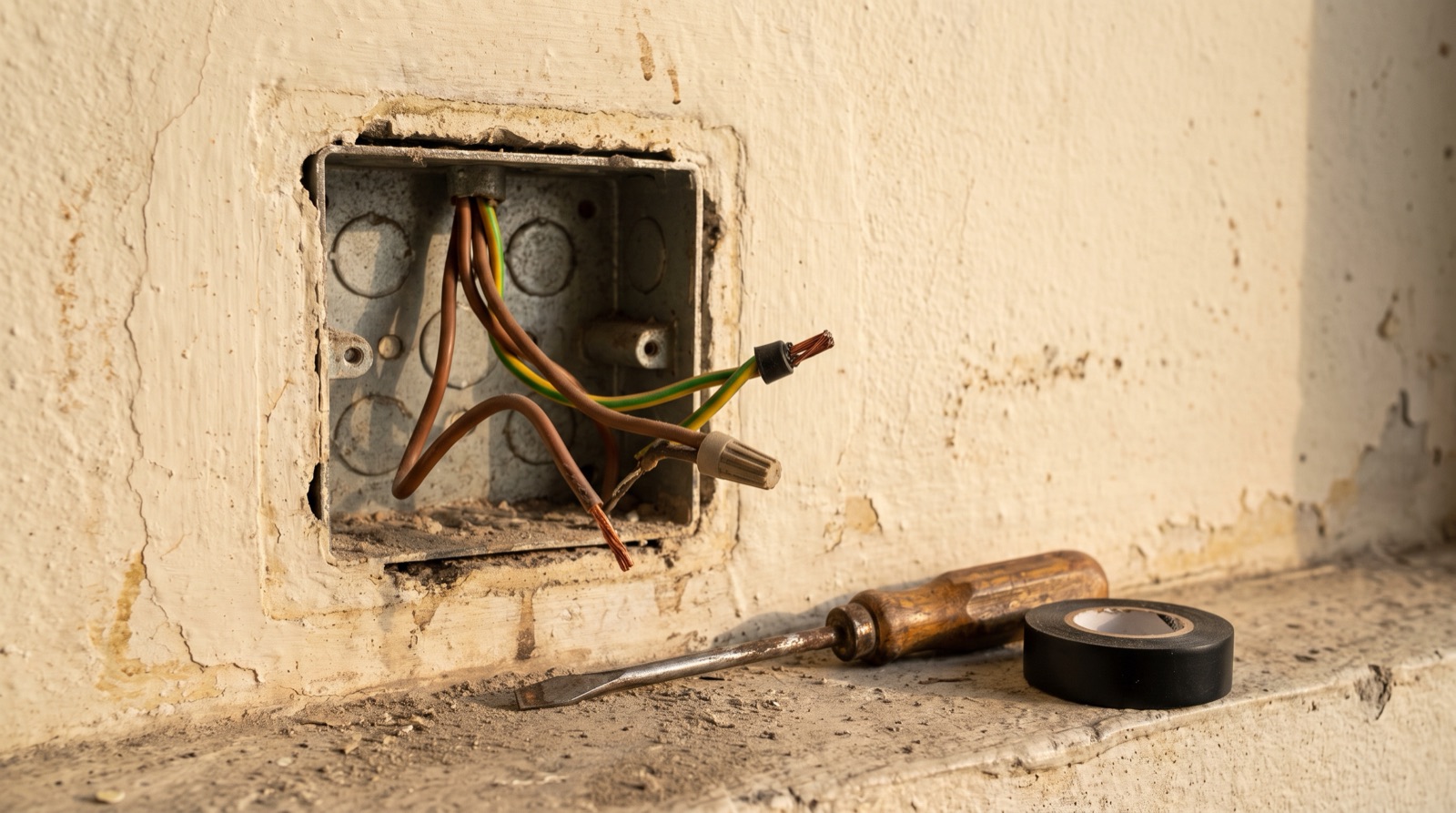
A neutral wire smart switch Malaysia guide: how to check whether your box has a neutral, why loop-in wiring leaves it empty, and what to do next about it.
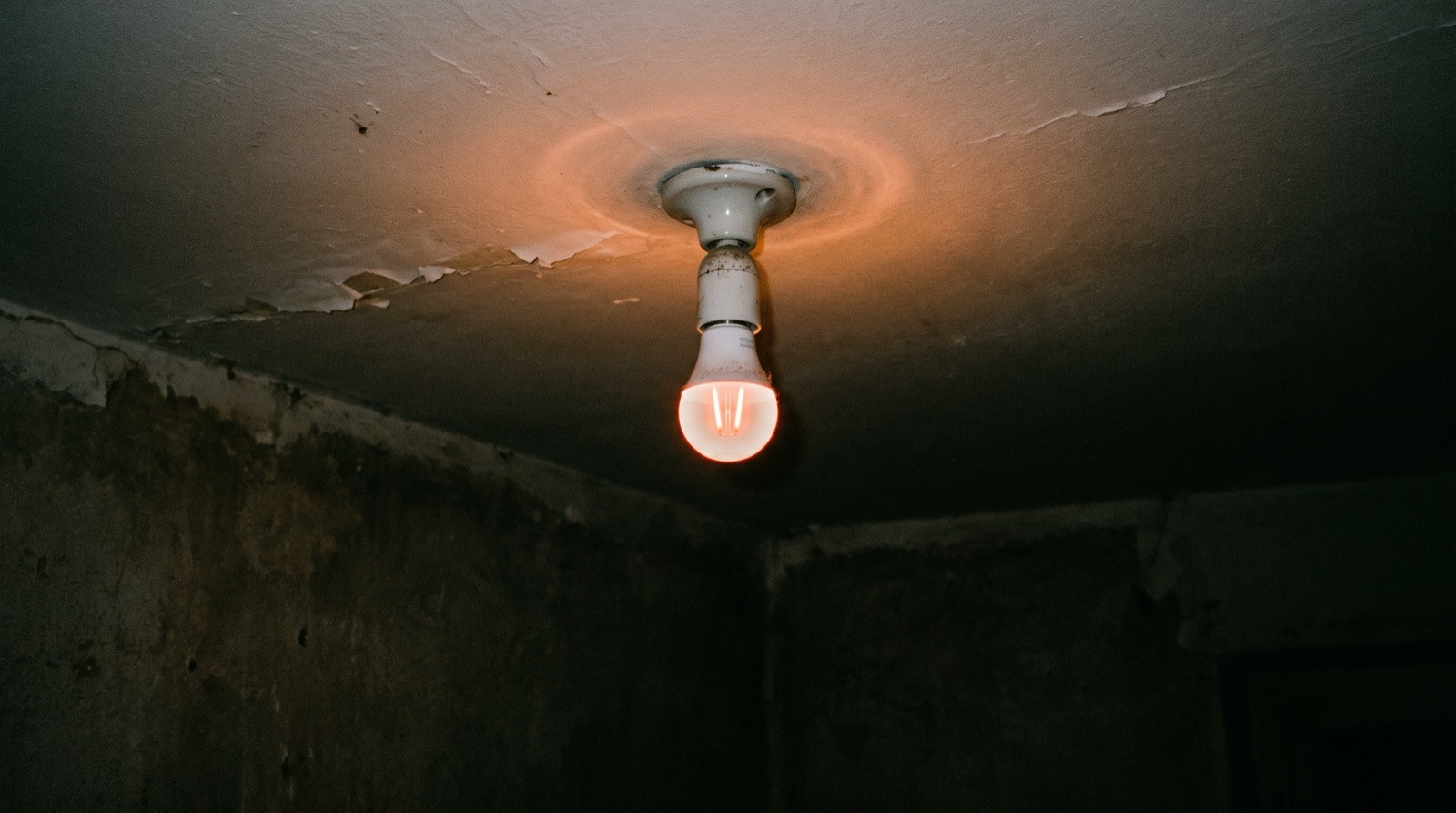
Smart switch LED flicker Malaysia: the glow is no-neutral trickle current, not a bad switch. Three fixes that work, and when to stop trying to fix it.
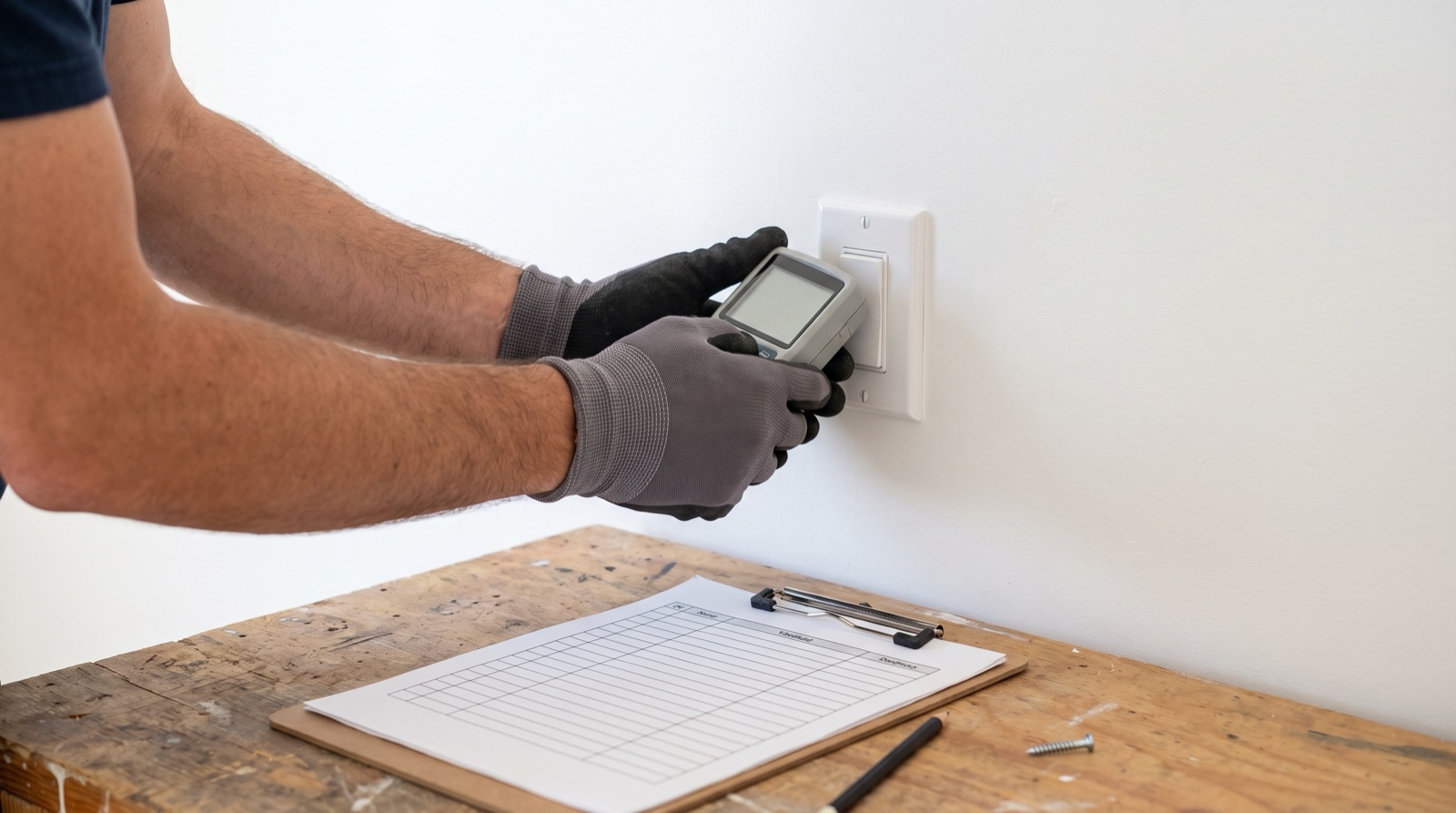
A smart home commissioning checklist Malaysia guide: a per-room test sheet, cold-start automation checks, load tests, board marking and handover pack.
Tell us about your space. Our B2B team will reply within one business day with a recommended setup and quotation.
WhatsApp us →
[email protected]
+603-5880 5486