







Smart Switch for Aircon and Water Heater in Malaysia: 20A Circuits
A smart switch for aircon and water heater in Malaysia needs a 20A device on a dedicated circuit, with inrush testing and isolator advice for installers.
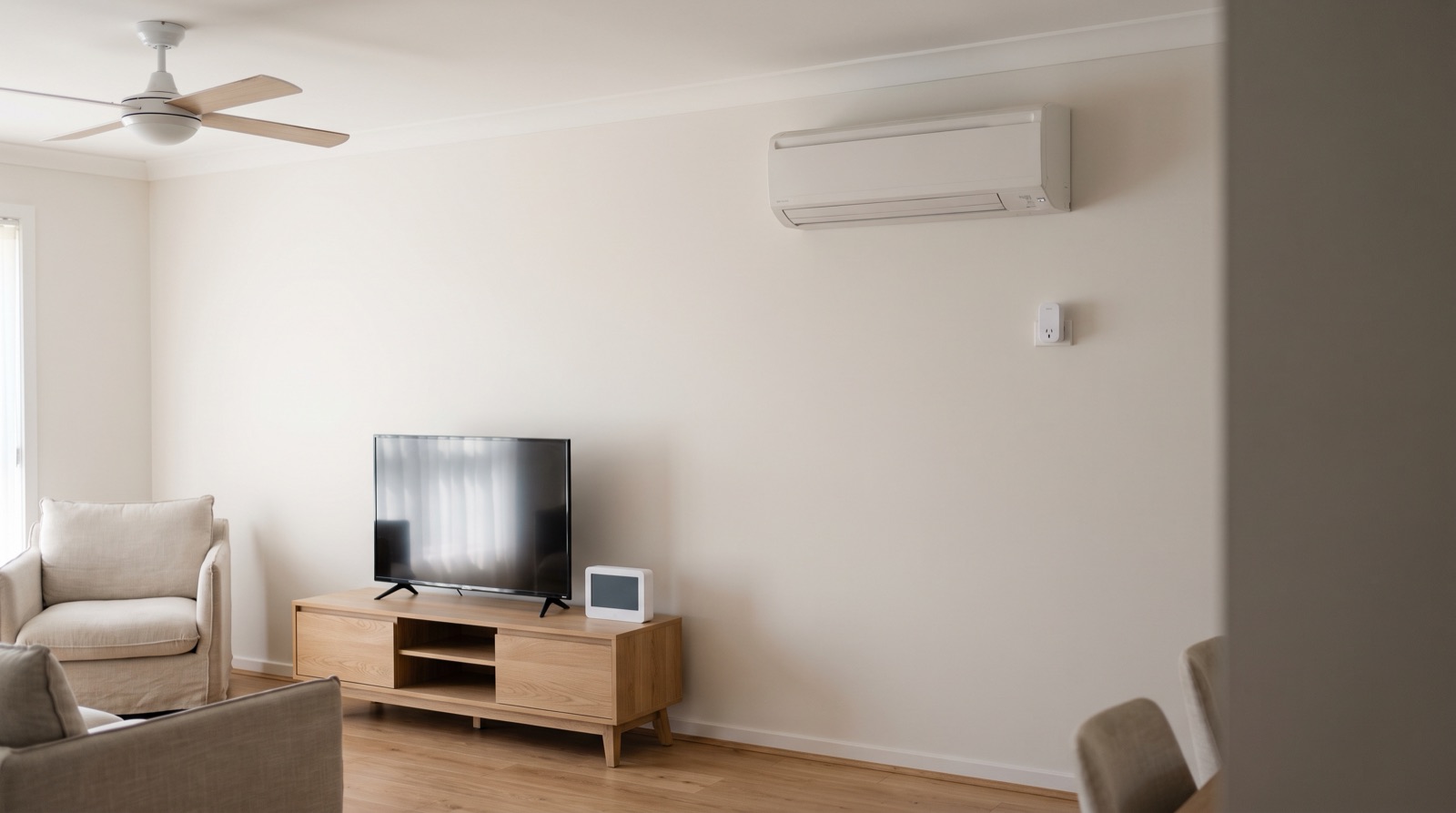
Answer up front — Most appliances can be made to behave better without being replaced, but the useful route is different for each. A window aircon can go on a smart plug. A split unit can be driven by an IR-capable hub, or switched properly with a 20A smart switch. A TV can be turned on and off remotely. A washing machine, a kettle and an air fryer are usually better left alone. The deciding question is never "can this be automated" — it is "what do I gain from it".
Most smart home advice is about switches and bulbs, because those are easy. Then you get to the aircon, the TV and the washing machine, and the advice stops.
One rule applies to this entire post. Several Aqara hubs include an infrared (IR) blaster for controlling IR appliances — the Hub M3 and Hub M200, for example — and whether your particular aircon or television is supported depends on the model. Before you buy anything for IR control, ask us to check your appliance's make and model. If it is not supported, do not assume it works. We do not publish a list of supported brands or a count of codes, because those change and a list that is out of date is worse than none.
Almost everyone who reads this post wants the same thing: control the aircon from a phone when lying in bed, and stop the whole household arguing about who left it on. So, the three options, in order of how much they actually do.
This is the simplest and, for a window or portable unit, genuinely enough. The Power Plug H2 UK sits between the unit's plug and the wall socket, and you get on and off, a schedule and energy monitoring from your phone. Check the unit's rating against the plug's before you rely on it.
What it does not give you is temperature control — a portable unit's controls are on the unit itself. You get on and off, not a setpoint.
Verdict: do this one. A window unit is a plug-in load, and the plug is the entire job.
Most split units are controlled by infrared from a handheld remote, and infrared is a line-of-sight technology: a hub with an IR blaster can "press the buttons" for you if it can see the receiver.
What you gain is the full remote — mode, temperature, fan speed, swing — from your phone, and the ability to build automations around it. Before buying, confirm that your aircon model is supported. Infrared databases are good, not complete, and a miss is discovered on a hot night, not in the shop.
Verdict: the best answer for a split unit, if your model is supported.
This is not phone control of the settings. This is a wall switch that handles the aircon's current properly and can be put in an automation — off when nobody is home, for instance. The Smart 20A Switch H1 (SEA Version) is the device in the range meant for aircon and water heater circuits.
Verdict: worth it if you want rules, not remote control. It pairs naturally with motion sensors, because an aircon left on in an empty room is one of the most common wastes in a Malaysian home.
Putting a smart device on a lighting circuit is a low-consequence job. Putting one on an aircon is a different risk class entirely — a compressor is an inductive load with real inrush current, on a dedicated 20A supply that somebody had to run deliberately.
So the device has to be rated for the load, the wiring has to be correct, and the work has to be done by a wireman registered with Suruhanjaya Tenaga under the Electricity Supply Act 1990 (Act 447). Do not put a domestic plug adapter on an aircon circuit. The 20A and aircon post covers the electrical side properly.
Two routes, and the second is usually better.
Infrared. An IR-capable hub can send the power, volume and input commands. Reliable for turning on and off, awkward for everything else, and it needs line of sight to the television's receiver.
The television's own app on your network. If your TV has a manufacturer app or supports casting control, it can already be handled over your home Wi-Fi without any IR device. If that works, it costs nothing extra.
Worth automating? Turning the TV off is a modest win. Most households get more from the soundbar and the lights going with it — the TV is a means to a better evening scene, not the thing itself.
Verdict: try the built-in route first. Use IR only if your television has nothing usable.
Here is the honest answer, and it is the one people do not want.
You cannot start a wash cycle from your phone unless the machine supports it, and most do not. What you can do is put the washing machine on a smart plug with energy monitoring so you can see whether it is drawing power, and in some cases cut power once the cycle is done.
The genuinely useful thing in the laundry is not the washing machine. It is the floor around it. A Water Leak Sensor T1 behind the machine, paired with an automatic water shut-off valve that your plumber fits on the supply, is what actually saves you when the hose gives way at 11pm on a Sunday. Water leak, gas, smoke and valve protection covers how to plan it.
Verdict: leave the machine, watch the pipe. A smart plug on a washing machine mostly tells you it is on, which you can hear.
Hardwired, on a 20A circuit, near the bathroom. The Smart 20A Switch H1 (SEA Version) is the sensible device — put it within reach, and put it on a schedule. The shower stops being a thing you think about.
Verdict: worth automating. One of the highest-value, lowest-effort automations in the home.
A floor fan or desk fan on a smart plug is the best-value item in this post: a pure on/off load, genuinely annoying to walk across a room for, and a simple plug-in job.
Verdict: do it. Buy two.
Both get asked about. Both get the same answer: leave them alone.
A smart plug on an air fryer does not start the cooking. The time is set on the fryer, the food still needs putting in and turning, and you have to be home for the last two minutes anyway. What you have added is a remote switch on a device that is already dangerous to leave unattended. A kettle is the same, with a worse failure mode.
Verdict: no. The convenience people want does not materialise.
| Appliance | What people want | Realistic route | Verdict |
|---|---|---|---|
| Window / portable aircon | On and off remotely | Power Plug H2 UK | Do it |
| Split aircon | Full remote control from phone | IR-capable hub such as Hub M3 or M200 — check your model is supported | Do it, if supported |
| Split aircon | Rules, not remote | Smart 20A Switch H1 (SEA Version) on the aircon circuit | Do it, via a registered wireman |
| Television | Power, volume, source | TV's own app first; IR second | Try the built-in route first |
| Washing machine | Start a cycle | Rarely possible | Leave it |
| Water heater | Stop thinking about it | Smart 20A Switch H1 (SEA Version) | Do it |
| Floor / desk fan | On from the sofa | Power Plug H2 UK | Do it, buy two |
| Air fryer / kettle | Start remotely | Smart plug adds nothing real | Leave it |
| Laundry leak / pipe | Catch a burst before 11pm | Water Leak Sensor T1 + a shut-off valve fitted by your plumber | Do this instead |
Automate what you walk across a room for. Leave alone what you have to stand next to anyway. The effort of adding a device is roughly the same in both cases, so the deciding factor is what you gain.
And the gain is not always about the appliance. A flat, dark room with a spinning washing machine and a fan you forgot is a very different thing from a cool one with a slow ceiling fan and soft light. If what you are really after is a lower bill, smart home and your electricity bill covers what to measure.
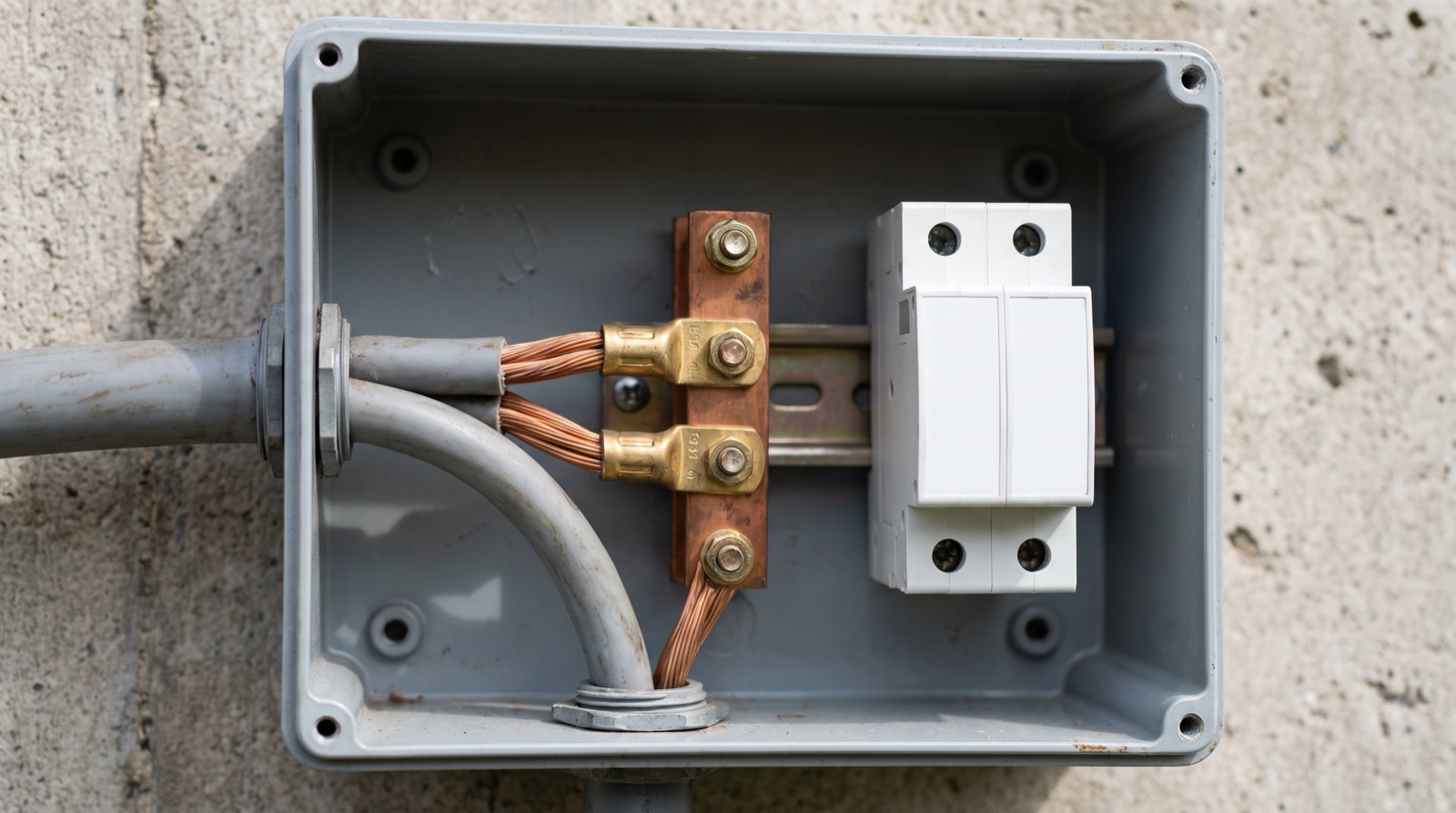
A smart switch for aircon and water heater in Malaysia needs a 20A device on a dedicated circuit, with inrush testing and isolator advice for installers.
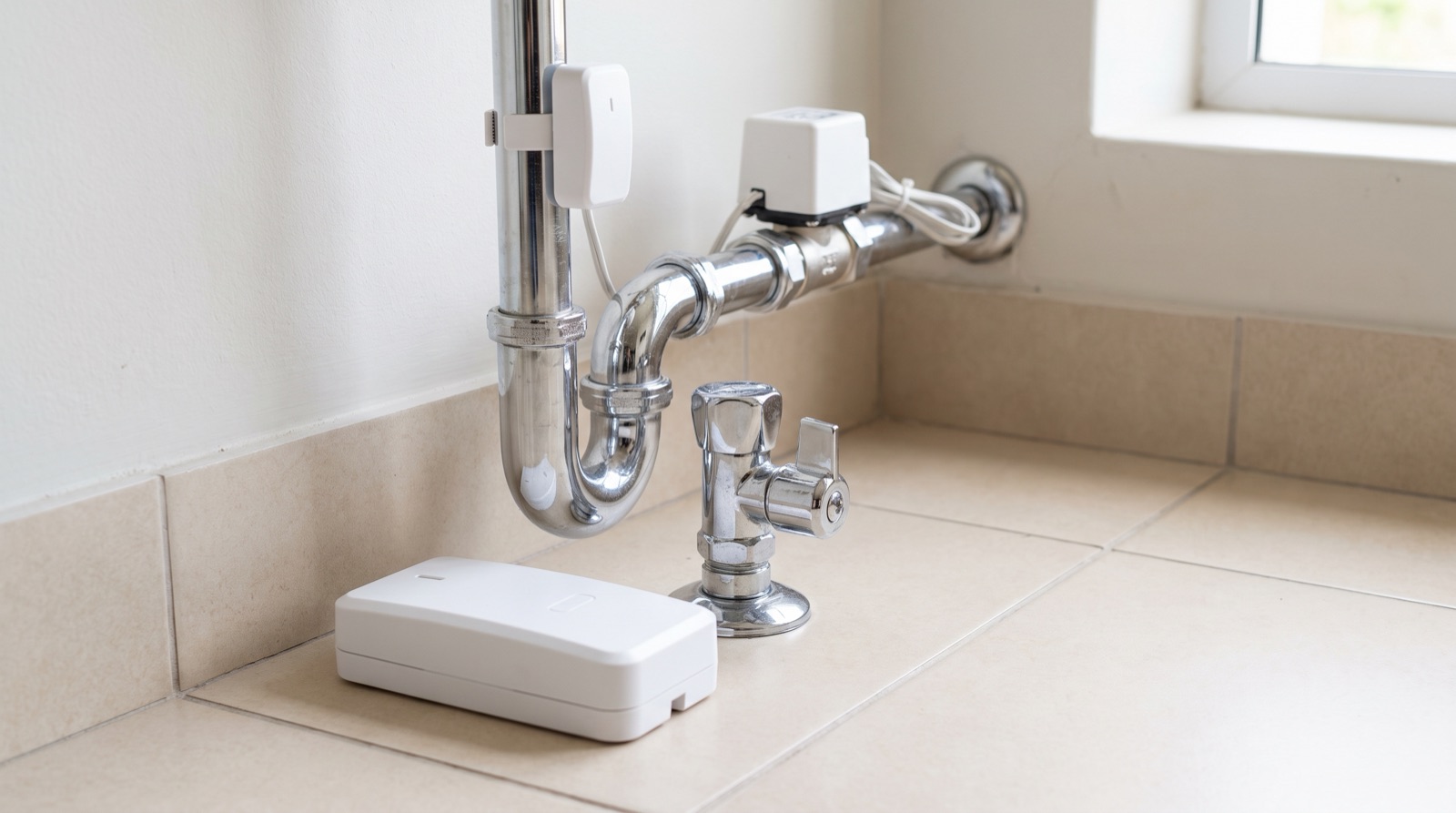
Water leak sensor placement for Malaysian homes: where leak, gas and smoke sensors belong, how to plan an automatic water shut-off, and what sensors honestly do not do.
Smart home cost in Malaysia: rough RM500, RM2,000 and RM10,000 budget bands, what each one typically covers, and why installation labour is a separate line.
Tell us about your space. Our B2B team will reply within one business day with a recommended setup and quotation.
WhatsApp us →
[email protected]
+603-5880 5486