







Does Your House Have a Neutral Wire? A Malaysia Smart Switch Guide
A neutral wire smart switch Malaysia guide: how to check whether your box has a neutral, why loop-in wiring leaves it empty, and what to do next about it.
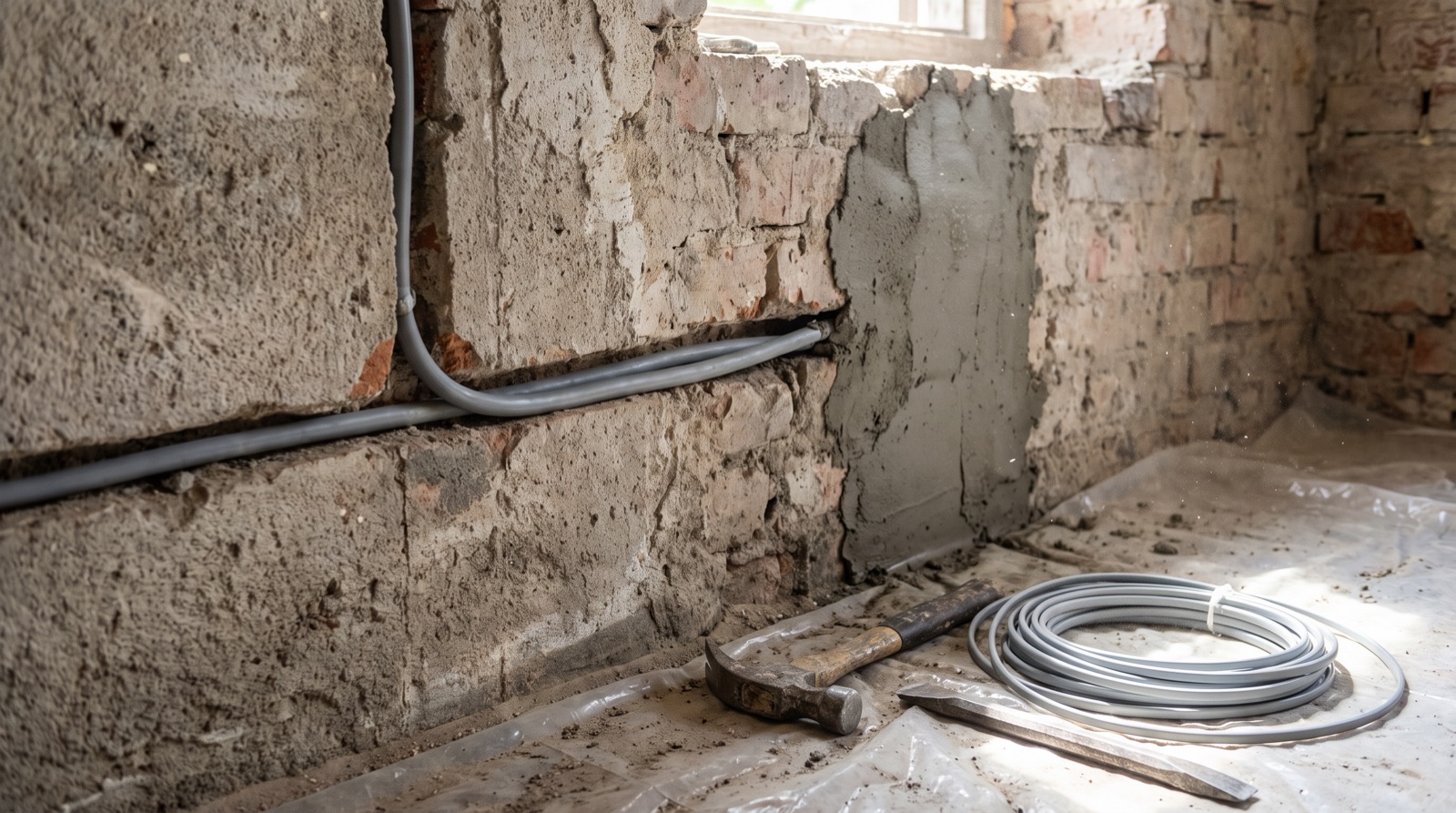
Answer up front — In a Malaysian landed house of concrete and brick, chasing is the right answer when the wall is already open or the cable run is short and straight. Surface conduit is the right answer when the run is long, crosses rooms, or the wall is already decorated. The one thing that is never wrong: while the walls are open during a renovation, get neutrals and network cable pulled to two or three fixed points, the gate and the front door. Cheap now, expensive forever after.
This changes everything, so it comes first.
| Wall type | Where you find it | What chasing costs you |
|---|---|---|
| Concrete | Most landed houses, townhouses, newer terraces, some condo structures | Slow, noisy, needs the right cutting tool, needs patching afterwards |
| Brick, plastered | Older landed houses, many terraces | Fast enough, still needs patching and repainting |
| Plasterboard / gypsum | False ceilings, partition walls in condos | Easy, but check there is a cavity and not solid backing |
| Drywall stud partitions | Some condo fit-outs | Easy to run inside the cavity, awkward to reach later |
A 1960s terrace with brick walls and a concrete staircase is a different job from a new-launch condo unit handed to you as a bare shell with plasterboard. The second one is the cheapest smart home you will ever install, because the trades are already in there.
Chase when all three of these are true:
Chasing a neutral from a ceiling rose down to a nearby switch box is the classic job. It is the most common piece of work in any Malaysian smart home retrofit, because the switch box is the one place that has no neutral and needs one.
Use surface conduit, or a decision that avoids the wall entirely, when:
Surface conduit is not a compromise to be embarrassed about. A well-run white trunking line along a skirting board in a corridor is invisible and it is serviceable. A badly patched chase is visible for years.
Before you cut anything, check whether you need to cut anything.
A relay module at the ceiling rose. The intelligence goes at the light, where the neutral already is, and the ordinary wall switch stays a dumb switch. No wall damage, any bulb, and the switch on the wall keeps doing what it has always done. This is the answer in a finished house where you are not prepared to repaint.
A no-neutral smart switch. Trickle current through the load to stay powered. No rewiring, often a drop-in. The costs are LED glow or flicker, a minimum load requirement, and some LED drivers that will not play nicely. None of that is a product fault — it is what happens when a switch has to steal current from your lamp.
Battery devices. A door sensor or motion sensor needs no cable at all. Sensors run for years on a coin cell.
The decision table:
| Option | How it works | Pros | Cons |
|---|---|---|---|
| No-neutral smart switch | Trickle current through the load to stay powered | No rewiring, often drop-in | LED glow and flicker, minimum load, some drivers incompatible |
| Rewire to bring a neutral | Wireman runs a neutral into the switch box | Full compatibility, most reliable | Wall chasing, labour, disruptive in a finished home |
| Relay module at the ceiling rose | Module sits at the light where the neutral is; dumb switch stays | No wall damage, any bulb, keeps the normal switch | Needs space at the ceiling rose, still needs a wireman |
If your walls are open during a renovation — and if you are reading this before yours is, you are in the good position — this is the part worth paying attention to.
Pull these while the wall is open:
The cost of this list during a renovation is a small fraction of doing the same work later, once per item, once you have paid for patching and repainting each time. It is the single highest-return electrical decision in a Malaysian smart home.
All fixed electrical work must be done by a wireman registered with Suruhanjaya Tenaga, the Energy Commission. The legal basis is the Electricity Supply Act 1994 (Act 588).
There is no version of this that is fine to do yourself. A botched neutral connection is a fire and shock risk, and DIY mains work can void your home insurance if it causes damage. For any mains-powered product, check for a SIRIM label and Energy Commission approval before you buy it.
The safe division of labour: plugging things in, mounting sensors, sticking a hub on a shelf — that is a weekend job. Anything inside a wall, in a back box or at a ceiling rose is not.
| Situation | Go with |
|---|---|
| Walls are open now, mid-renovation | Chase, and pull neutrals plus network cable to every point you listed above |
| Finished house, short run, one or two switches | Chase, and accept the patching |
| Finished house, long run or many rooms | Surface conduit, and plan it before you start |
| Finished house, you do not want paint | Relay module at the ceiling rose |
| Condo, upper floor, you rent | Ask first, and consider doing nothing to the walls |
| Not sure | Survey the boxes before quoting anything |
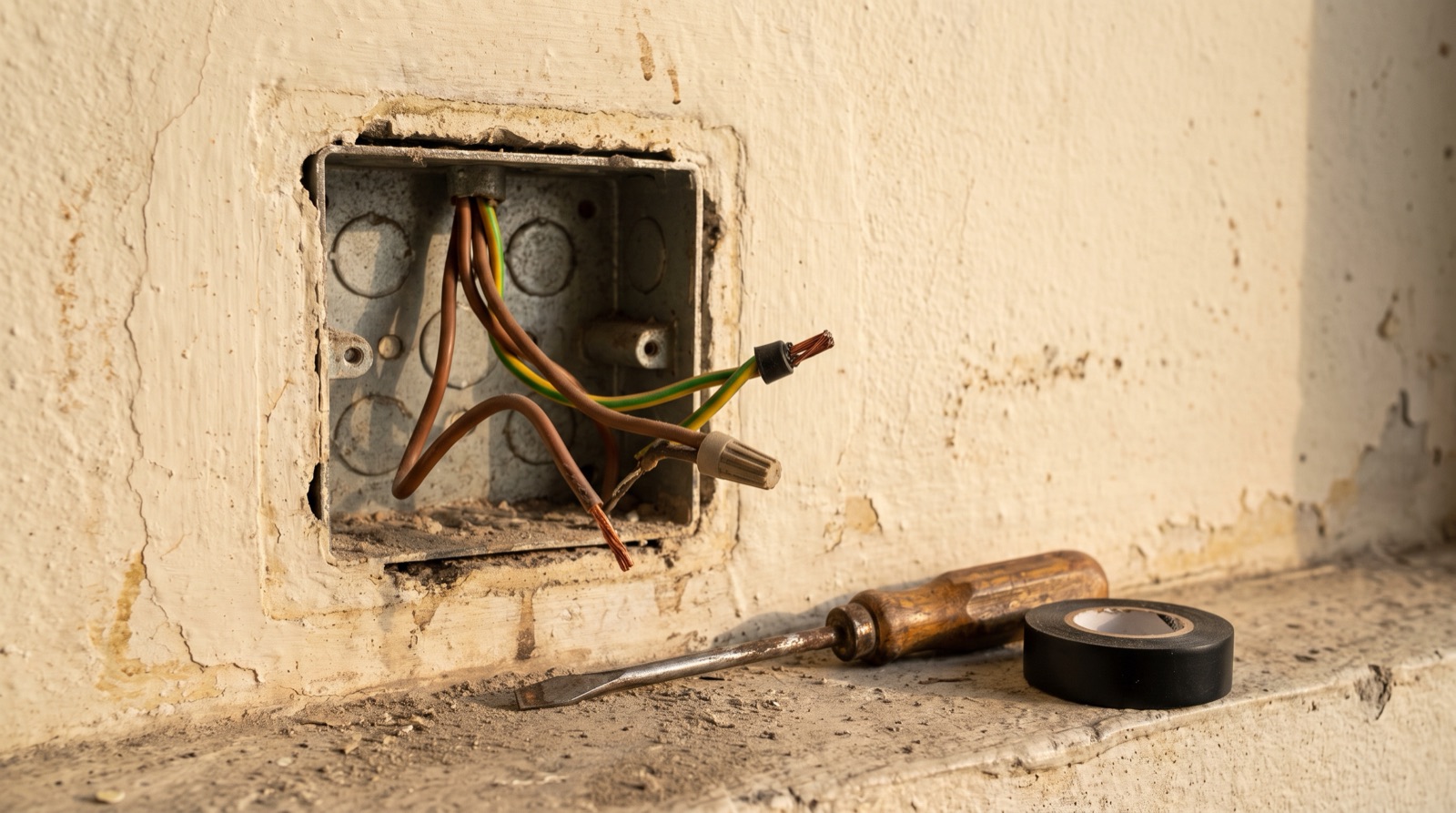
A neutral wire smart switch Malaysia guide: how to check whether your box has a neutral, why loop-in wiring leaves it empty, and what to do next about it.
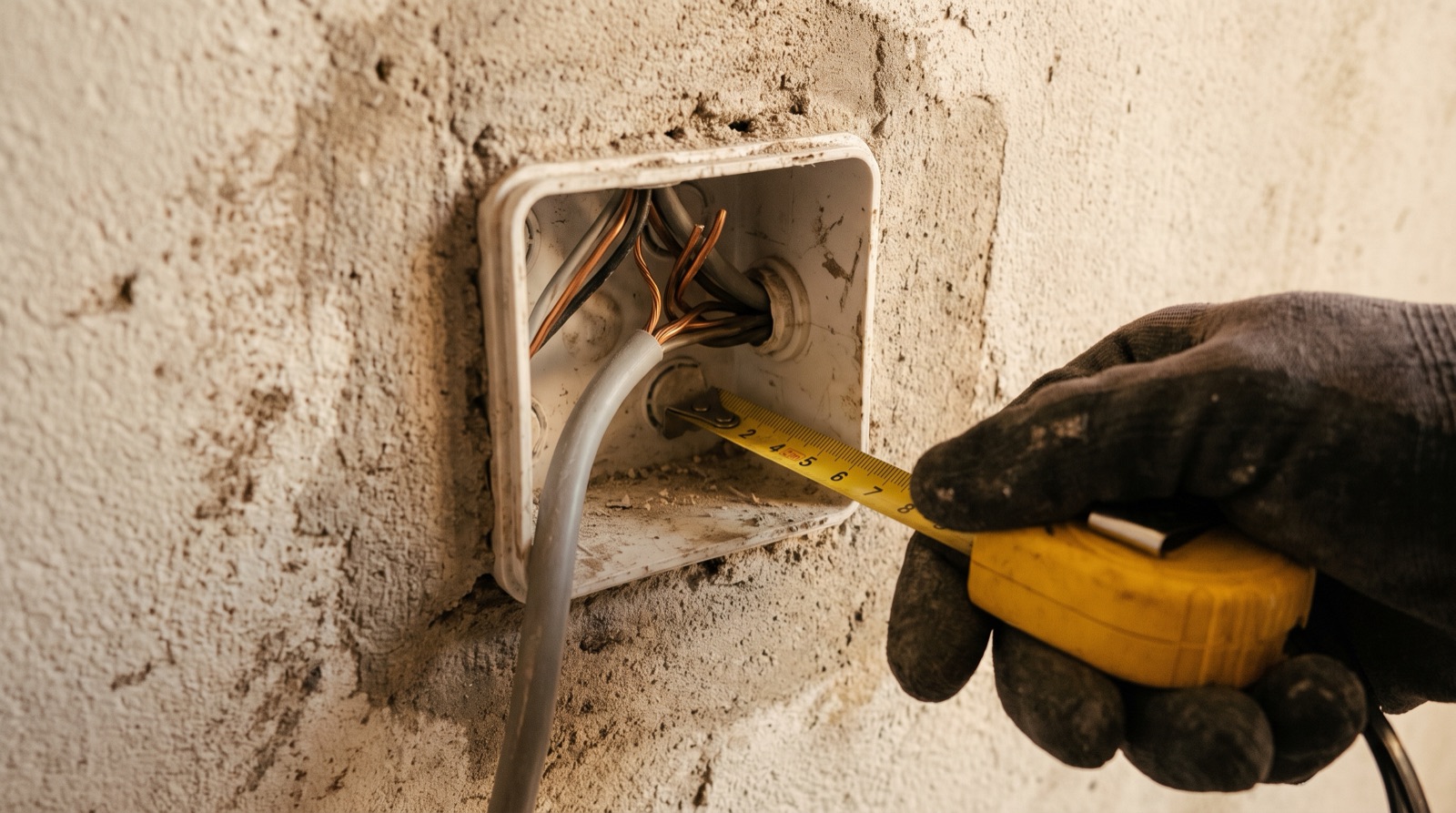
Smart switch back box Malaysia: shallow boxes are the second most common install failure after the neutral. How to measure the depth and the gang count.
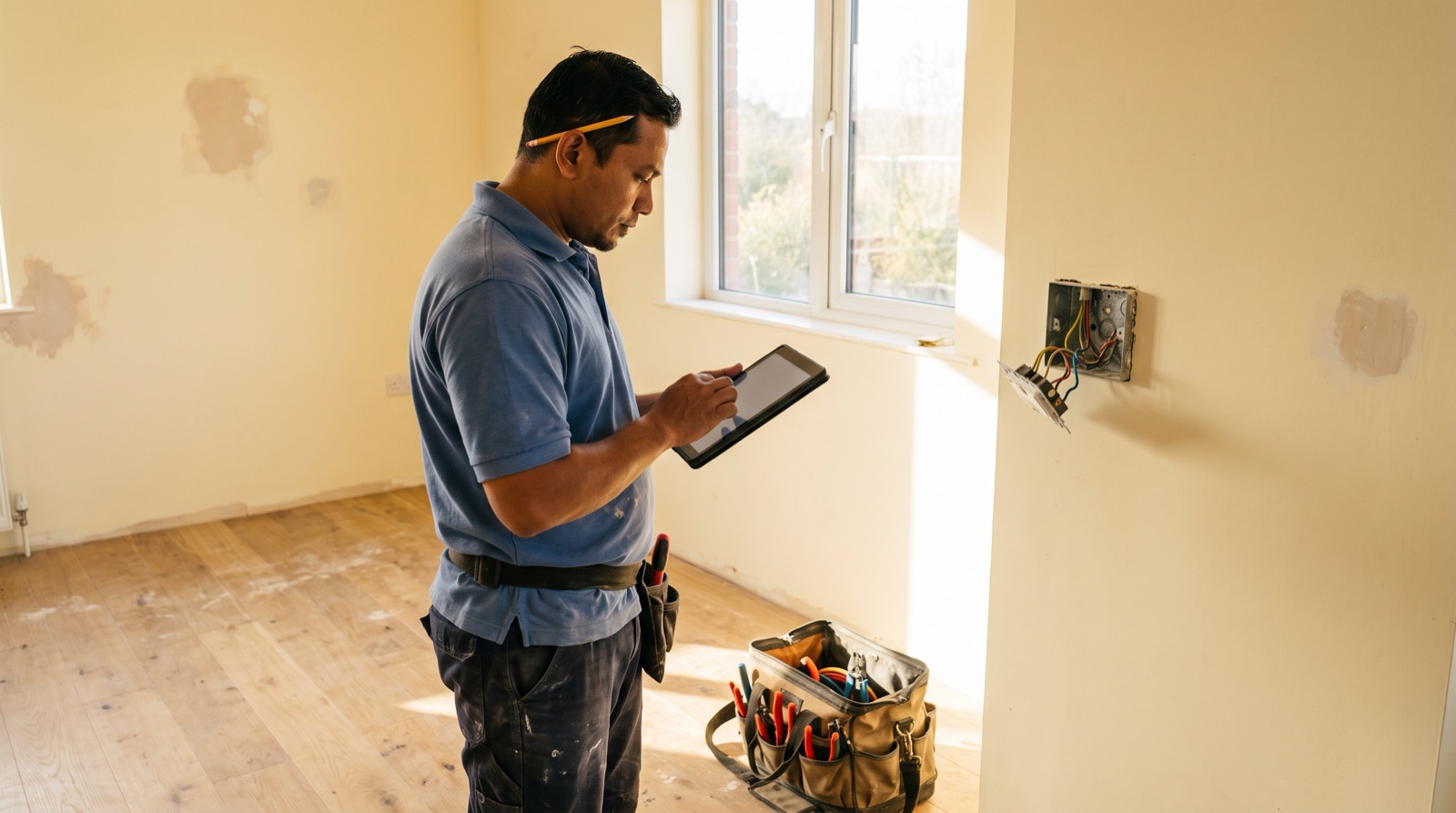
A smart home site survey Malaysia checklist: how to record neutral presence, back box depth and circuit ID at every switch position, before you quote.
Tell us about your space. Our B2B team will reply within one business day with a recommended setup and quotation.
WhatsApp us →
[email protected]
+603-5880 5486