







Smart Home Site Survey Malaysia: A Room-by-Room Checklist
A smart home site survey Malaysia checklist: how to record neutral presence, back box depth and circuit ID at every switch position, before you quote.

Answer up front — Most of the tool list for smart home work is not new — you already own a competent electrician's kit. What this work actually adds is five things: a proper voltage tester, a two-pole tester for proving dead, a good wire stripper, a crimping tool for network terminations, and a laser line level for switch plates. A non-contact voltage pen is a convenience, never a proof. The third category, which people skip and then regret, is consumables — deep-enough gang boxes, fixings, cable, glands and labels. Registration is separate and non-negotiable: fixed electrical work must be done by a wireman registered with Suruhanjaya Tenaga under the Electricity Supply Act 1990 (Act 447).
If you are deciding what to buy for the first time, the mistake is buying a whole new kit because the brochure implies one. It does not. Almost every smart home installation task is a task you already perform — fit a plate, terminate a conductor, prove a circuit dead, run cable through a wall.
So this list is in two columns: what a competent installer already owns, and what the smart side genuinely adds.
| Tool type | You likely already own it | This work adds it | Why it matters here |
|---|---|---|---|
| Screwdrivers, terminal tools, side cutters | Yes | — | Same work, same tools |
| Multimeter | Usually | — | Still the instrument for readings |
| Voltage tester (single-pole, mains) | Sometimes | Often | Fast, direct, checks the actual supply |
| Two-pole tester for proving dead | No | Yes | The only way to prove a circuit is dead, both conductors |
| Wire strippers | Possibly | Upgrade | Clean strip without nicking the conductor |
| Crimping tool for network terminations | No | Yes | RJ45 terminations for hub, camera, intercom feeds |
| Laser line level | No | Yes | Switch plates and multi-gang runs on uneven walls |
| Non-contact voltage pen | Sometimes | Optional | Convenience only — never a proof |
| Cable tester for structured cabling | No | Yes | Proves the run before you close the wall |
| Labelling printer or durable label stock | No | Yes | The single most-skipped item on this list |
A proper mains voltage tester, not a multimeter with an expectation. A good one gives you a clear indication of presence at a terminal with the probe on one conductor and the reference on the other. It is faster than a multimeter for the question you are actually asking, which is is this conductor live.
This is the one people treat as optional until the day it matters. A two-pole tester checks both conductors of a circuit at the same time. If it does not light on either pole, the circuit is dead and you can work on it. Single-pole indicators and non-contact pens are indications, not proofs — they can be fooled by a parallel path back through another circuit, and a fake neutral is exactly the situation smart home work puts you in.
On a rewire position where you are introducing a neutral, this is the instrument that tells you the truth. Use it every time, at the point of work, and do it again after you disturb the terminations.
Not a knife, not pliers. A proper stripper with a depth stop strips insulation without nicking the conductor. A nick you cannot see is a conductor that fatigues at the terminal under load and heat, and it fails months later, on a circuit you have long forgotten. This is one of those failures that is invisible until it is expensive.
You need this the moment the job involves a hub feed, a camera, a doorbell on hardwired network, or any intercom integration. A crimp tool with the correct die for the connector you are using, plus a cable tester to prove the result. Untwisted pairs and a hand-twisted "crimp" are why network drops fail intermittently and why the client blames the smart system.
Not for hanging shelves. For switch plates. A multi-gang faceplate on a wall that is not flat will not sit tight, and the fix — chasing, packing, or a new box — is expensive once the wall is dressed. Two minutes with a line level across the run tells you whether you have a wall problem before you cut anything. This is the cheapest tool on this list and it prevents the most visible failure in the whole job.
Every van has one. It is fast and it feels reassuring, which is exactly the problem.
A non-contact pen detects a changing electromagnetic field. It is affected by cable routing, by adjacent live circuits, by insulation thickness, by how your hand is holding it, and by load. It can scream at you on a dead conductor that sits alongside a live one, and it can stay quiet on a live one under conditions you will meet on an old installation.
Use it as a first pass to find likely-live conductors. Never treat it as a permit to cut. The two-pole tester is what proves dead, and on a smart home job the circuits you are about to open are exactly the old ones where a parallel path back through lighting is most likely.
If you are terminating network cable, the tester is what tells you the run is good before it is buried. Test each drop, note the result, and put the result in the handover pack. A cable run that fails after the wall is closed is a cable run you are paying to re-open.
If a job involves structured cabling as a wider scope — patching, wall positions, the lot — structured cabling before the walls close is worth reading for the sequencing.
Tools are the visible half. Consumables are where jobs actually get delayed, and where the margin quietly disappears because you are driving to the supplier mid-install.
| Consumable | Why it matters | What bites you if you get it wrong |
|---|---|---|
| Gang boxes, deep enough for the module | The module, the conductors and the bend all need depth | Cannot close the terminals; face will not pull up |
| Fixings appropriate to the substrate | Plasterboard, brick and concrete each want a different anchor | Plate works at handover, works loose in a month |
| Cable of the right type for the run | In-wall and in-concrete runs have their own requirements | Signal problems, or a chase that has to be redone |
| Cable glands sized to the entry | Cable entry into a box or enclosure | Unsecured entry, pull on the terminations |
| Circuit and device labels | The board outlives you | The next tradesman works blind |
On boxes: an 86mm box is the common Malaysian footprint, and depth is the variable that decides whether your module goes in at all. Buy deeper rather than shallower. The faceplate looks the same either way; the difference only shows up when you are standing there with the conductors already in.
On fixings: a standard masonry plug in a plasterboard wall is a loose plate waiting for the first slammed door. If the wall is hollow, that is a finding from the survey, not a surprise on install day.
This is the item to spend money on that your competitors will not, because it does not photograph well and it does not go on a quote as a line item.
You need three things: a printed circuit schedule for inside the board door, durable device labels at the plate or the load, and a documented device list handed to the client. The schedule is the highest-value item in the whole list, because it survives you. The consumer unit is behind a door nobody opens again until the next electrician does — and if that electrician is not you, your labels are the only thing they have.
Label by verification, not by assumption. Consumer unit labels in Malaysian homes are frequently wrong or left over from a previous owner, and a confident wrong label is worse than no label at all because people believe it.
A good kit does not make you legal. Fixed electrical work in Malaysia must be carried out by a wireman registered with Suruhanjaya Tenaga, the Energy Commission, under the Electricity Supply Act 1990 (Act 447). This is not a formality and it is not something to sort out afterwards.
It also has a commercial edge rather than just a compliance one. Check that any mains-powered product you fit carries a SIRIM label and Energy Commission approval. A client who can see the approval on the device, and a client who knows the person fitting it is registered, are two different conversations. The detail is in SIRIM, Suruhanjaya Tenaga and PDPA compliance.
The survey is what tells you how much of the rest you need, so do it properly before you buy — how to survey a Malaysian home before quoting is the method, and the spec and compatibility data you will be quoting from is in the installer resource hub.
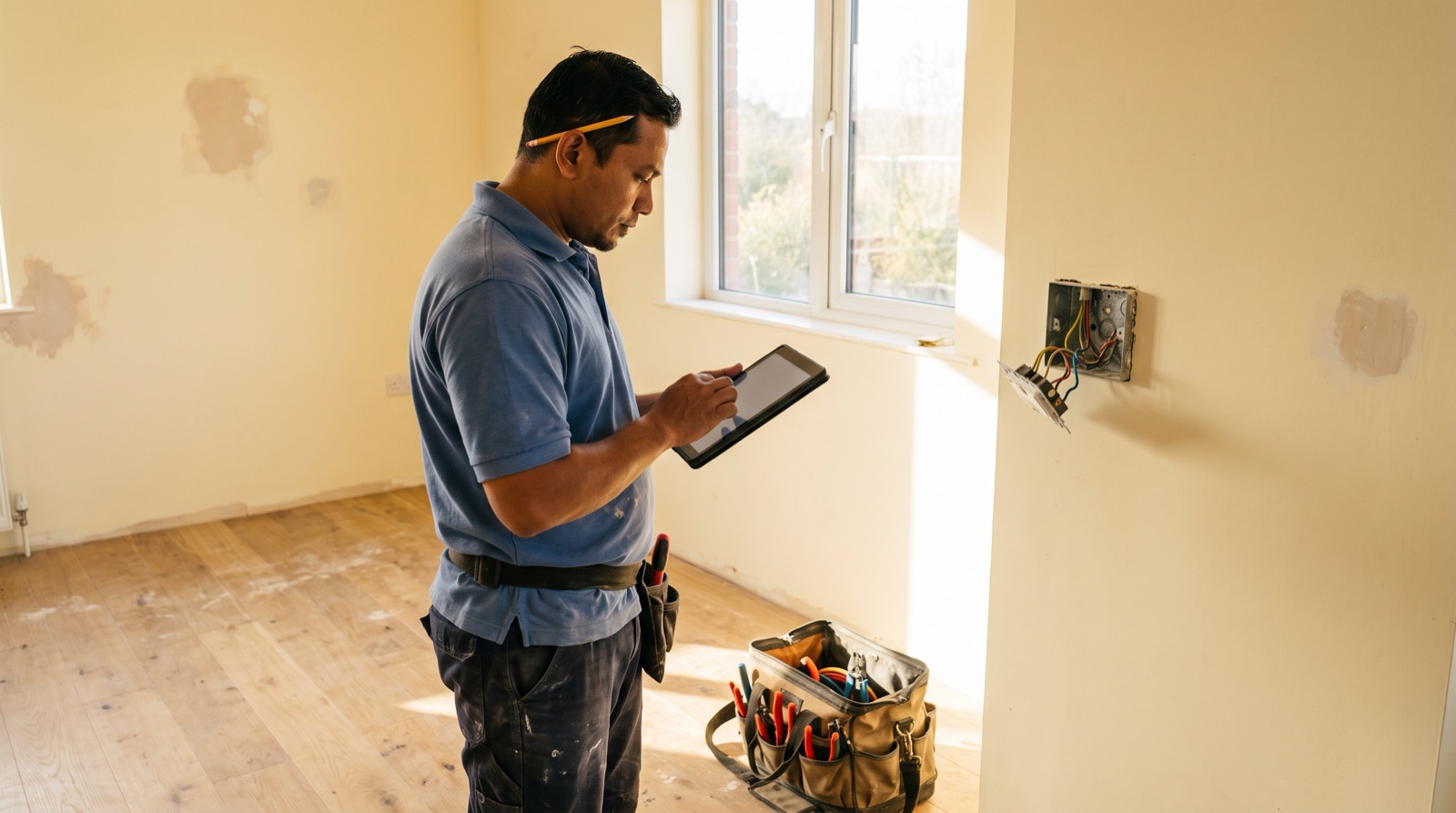
A smart home site survey Malaysia checklist: how to record neutral presence, back box depth and circuit ID at every switch position, before you quote.
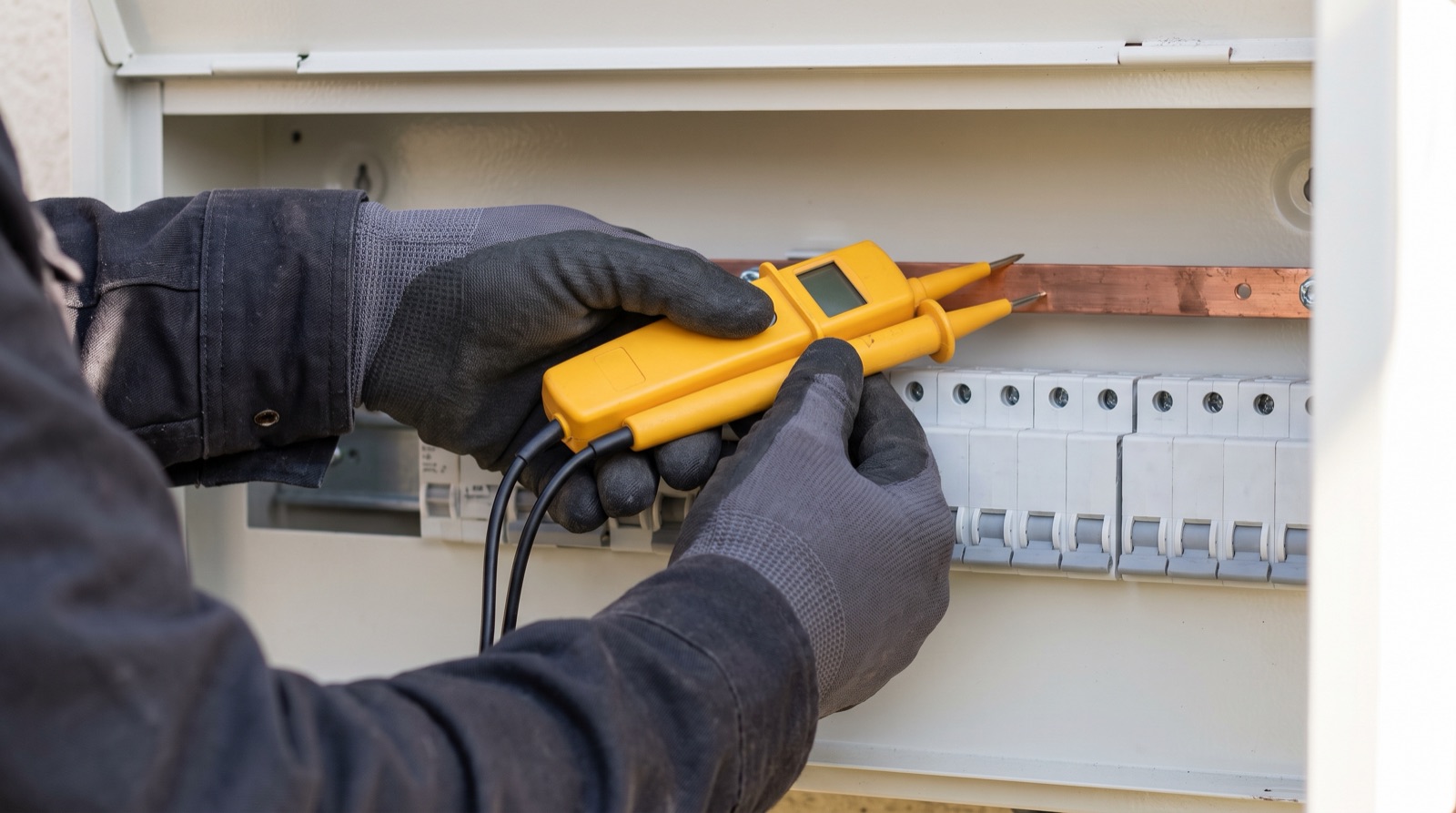
A sirim smart switch malaysia compliance guide — what to check before buying mains-powered gear, who may do the wiring under Act 447, and where PDPA applies.
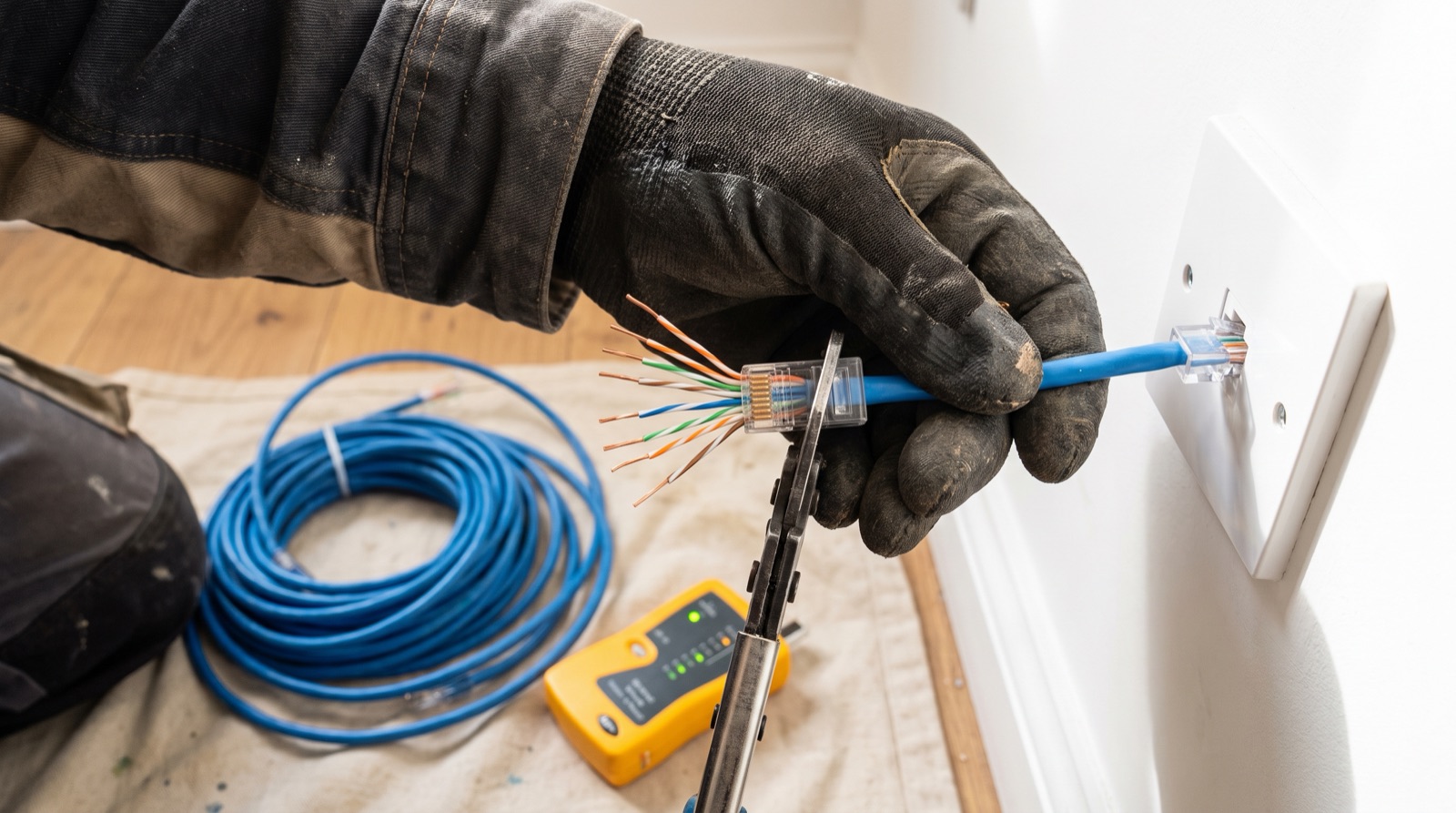
Network points for a smart home renovation in Malaysia with Cat6: how many points to run, where they belong, and why a cable run is cheap only while the wall is still open.
Tell us about your space. Our B2B team will reply within one business day with a recommended setup and quotation.
WhatsApp us →
[email protected]
+603-5880 5486