







Aqara vs Sonoff vs Shelly vs Tuya in Malaysia: which wins?
Aqara vs Sonoff in Malaysia compared on price, hub needs, local control and after-sales support, plus where the cheap brands genuinely win. As at Sept 2026.
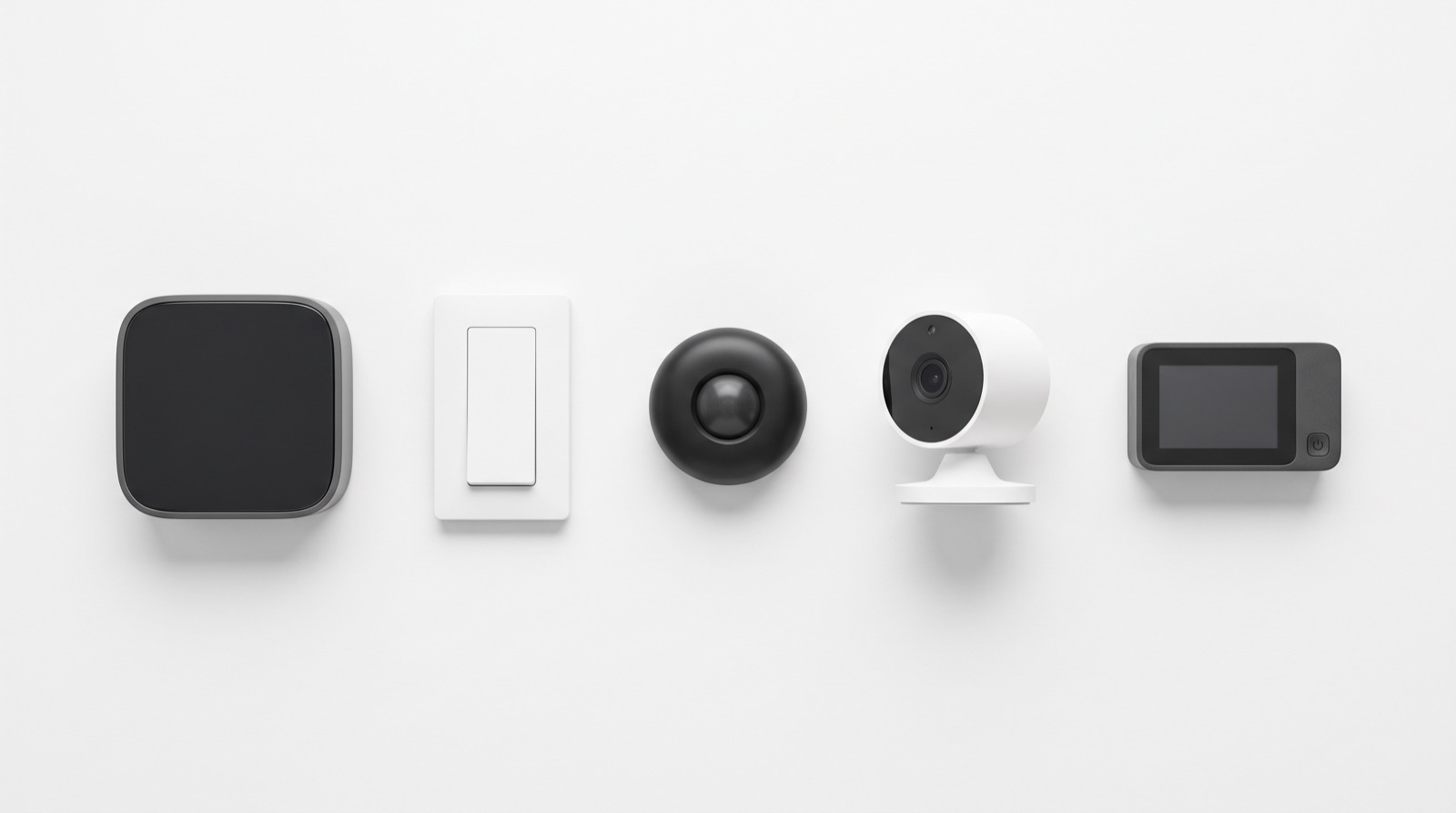
Answer up front — There is no single winner, and any article that tells you otherwise is selling something. Philips Hue is a lighting specialist with a very good app. Xiaomi offers a very wide range at low prices, held in one app. Tado and Google Nest are best known for climate control, which matters less in a Malaysian home with no central heating. Aqara sits in between: a whole-home system of sensors, switches, locks, cameras and lights, sold in Malaysia through an official distributor with local stock and support. Pick by which job you are actually solving.
There is a separate comparison here against Sonoff, Shelly and Tuya, which covers the budget relay-module and Wi-Fi device brands. That one is about small devices bought one at a time. This one is about the four big names a Malaysian homeowner actually types into the search box.
They are different questions. "Which cheap module do I put behind one fan?" and "what do I build my house around for the next ten years?" do not have the same answer, and an article that treats them as one question will make you buy the wrong thing.
Philips Hue started as a lighting company and stayed one. Bulbs, strips, a light bridge, a very polished app, and a colour range that people buy the brand for. It now also carries sensors and some security products, but lighting is still the centre of it.
Xiaomi / Mi Home is a phone and consumer electronics company with a very large catalogue of devices around one app. Plugs, cameras, sensors, air purifiers, robot vacuums, kettles. Prices are generally low, the choice is wide, and that combination is why many people start there.
Tado is a climate-control specialist, best known for heating thermostats and radiator control in colder markets. It also sells air-conditioning control; check which products are current and supported in Malaysia.
Google Nest is Google's home range — thermostats, speakers, displays, cameras and doorbells — built around Google Home and Google Assistant.
Aqara designs its own hardware, its own app and its own automation engine, around Zigbee, and it makes sensors, switches, locks, cameras, curtains and lights as one system rather than as a collection of unrelated products.
| Aqara | Philips Hue | Xiaomi / Mi Home | Tado / Google Nest | |
|---|---|---|---|---|
| What it is best at | Whole-home system: sensors, switches, locks, cameras | Lighting colour and app polish | Breadth and price per device | Heating and cooling control |
| Devices you actually want to combine | Many kinds, designed to work together | Mostly lights, plus some sensors | A very long list across many categories | Climate control, plus other Google or tado devices |
| Apple HomeKit | Yes | Yes | Check the specific model | Check the specific model |
| Matter | Yes, via a Matter controller hub such as Hub M3 | Check current model notes | Varies by model | Check current model notes |
| Runs automations without the internet | With a hub, automations run on the hub | Check current notes | Varies by model — check current notes | Check current notes |
| Realistic price per device | Mid | High | Low | Mid to high for the category |
| Local Malaysian stock and support | Through Synchroweb, the official distributor | Varies by seller | Varies by seller | Check availability before you plan around it |
Where a cell says "check", that is deliberate. Competitor models, firmware and support arrangements change, and they are not set by any Malaysian distributor. Confirm the specific model and its current specs with the seller before you commit.
Being straight about this is the point of the article. If you only read our side you will overpay.
If the job is colour, warmth and how the app feels while you are using it, Hue has a long-standing reputation and it is earned. The bulbs, the bridge, the app — it is a mature, coherent lighting product. If lighting is most of what you want, this is a defensible purchase and we will not pretend otherwise.
Where it gets thinner is the moment you want a door sensor, a lock and a camera that speak to the same system with the same reliability. That is not a criticism of Hue; it is just that Hue's strength is depth in one category, not breadth across a house.
Mi Home is a low-cost way to get a lot of devices, and for a renter or a student flat it can genuinely be the right answer. A plug, a bulb, a camera, a vacuum, all in one app, all affordable.
Two things to check before you buy — and they apply to any brand, Aqara included:
Tado is a focused product for homes where climate control is the actual problem. Most of its reputation was built on heating, which few Malaysian homes have, so check whether the specific product supports your aircon. Google Nest makes most sense for households already inside the Google ecosystem.
Check availability and local support before you plan a system around either. A specialist product with no local counterparty is a different proposition from the same product with one.
Local execution, not just local shipping. Aqara is Zigbee-first. One hub brings switches, sensors, locks, curtains and lights into one app, and runs the automations between them locally. Assembling a house from several unrelated apps means automations often cannot cross between them.
One system, not a pile. A Door and Window Sensor P2 is designed to be paired with the switches, locks and lights from the same range, and to run in the same automations. That sounds obvious, and it is exactly what gets hard when a house is built from mixed brands.
Apple HomeKit and Matter. The Aqara ecosystem works with Apple HomeKit, Amazon Alexa and Google Assistant. One nuance worth getting right: adding Matter accessories needs a Matter controller such as Hub M3, set up in Aqara Home first. Zigbee devices can go in through Hub M3 or the Panel Hub S1 Plus, because the S1 Plus is itself a Zigbee hub — but it is not a Matter controller. Matter accessories added through Hub M3 can then be controlled from the S1 Plus. Getting that wrong on day one is expensive.
A local counterparty. As the official Aqara distributor in Malaysia, Synchroweb provides local stock, local warranty and local support, working with certified installer partners. When a device fails, you are not shipping it to another country and hoping.
And where it is weaker. Aqara is more expensive per device than Xiaomi. Most Aqara devices need a hub, which is a line item before you own anything. And Aqara does not remove the neutral wire problem — a conventional smart switch still needs a neutral at the switch box, which most Malaysian homes built before about 2000 do not have there. The cost breakdown here sets that out honestly.
| Your situation | Start with |
|---|---|
| One rental unit, tight budget, want lights and plugs | Xiaomi is a reasonable choice. Do not over-engineer it. |
| Lighting is the whole brief, and you want colour | Philips Hue. |
| The brief is climate control above everything else | Tado or Google Nest, after checking local availability and aircon support. |
| Four or more rooms, a lock, some sensors, automations you want to keep | Aqara, with a hub decided first. |
| You need twenty switches fitted by a wireman | Aqara, through an installer who knows the system. |
| You are not sure how many devices you will end up with | Get a survey done first, not a shopping list. |
The hub question is worth reading properly before you buy anything, because it is the decision that is expensive to reverse. See Zigbee, Wi-Fi or Matter: choosing a hub.
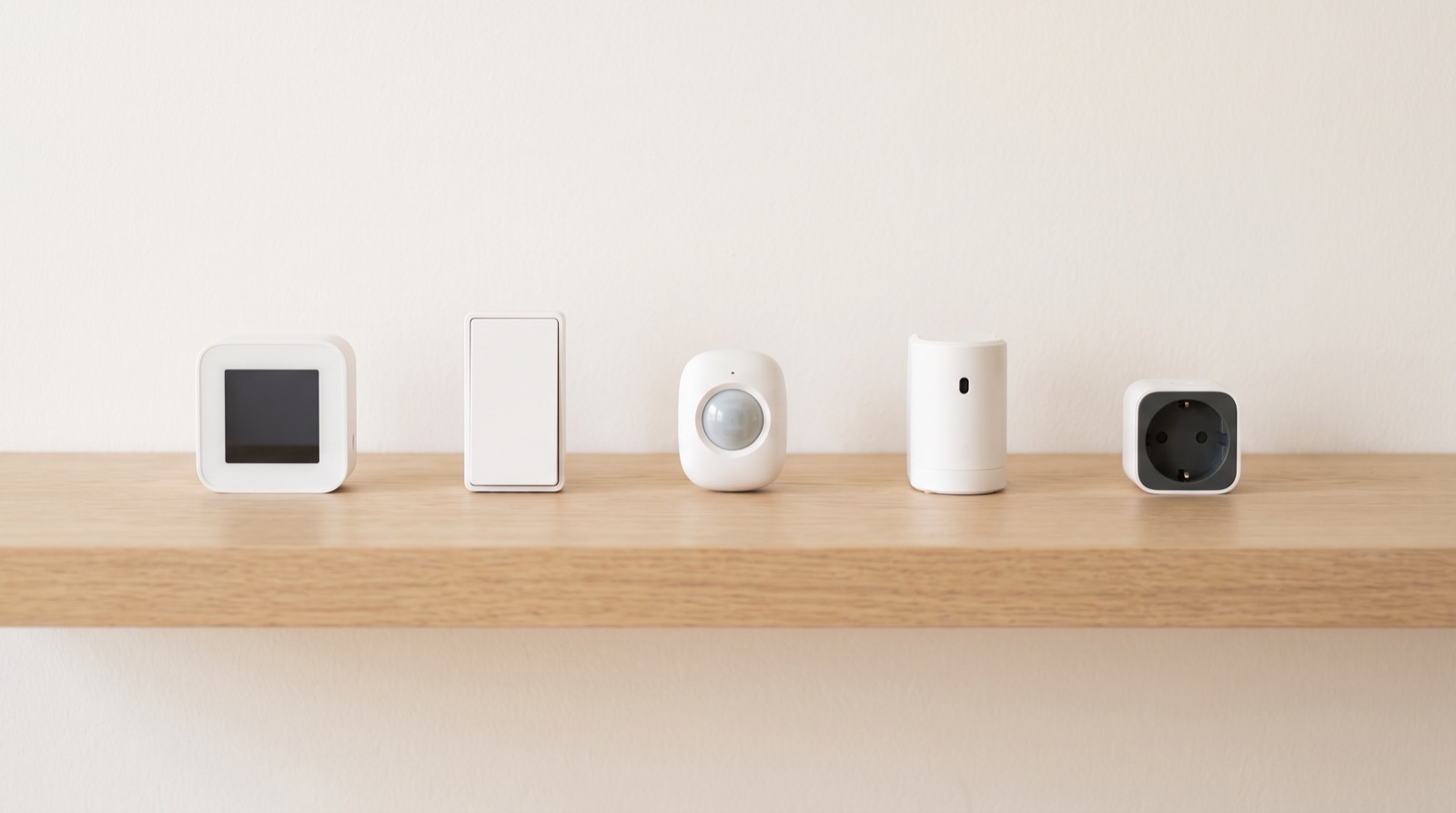
Aqara vs Sonoff in Malaysia compared on price, hub needs, local control and after-sales support, plus where the cheap brands genuinely win. As at Sept 2026.
Smart home cost in Malaysia: rough RM500, RM2,000 and RM10,000 budget bands, what each one typically covers, and why installation labour is a separate line.
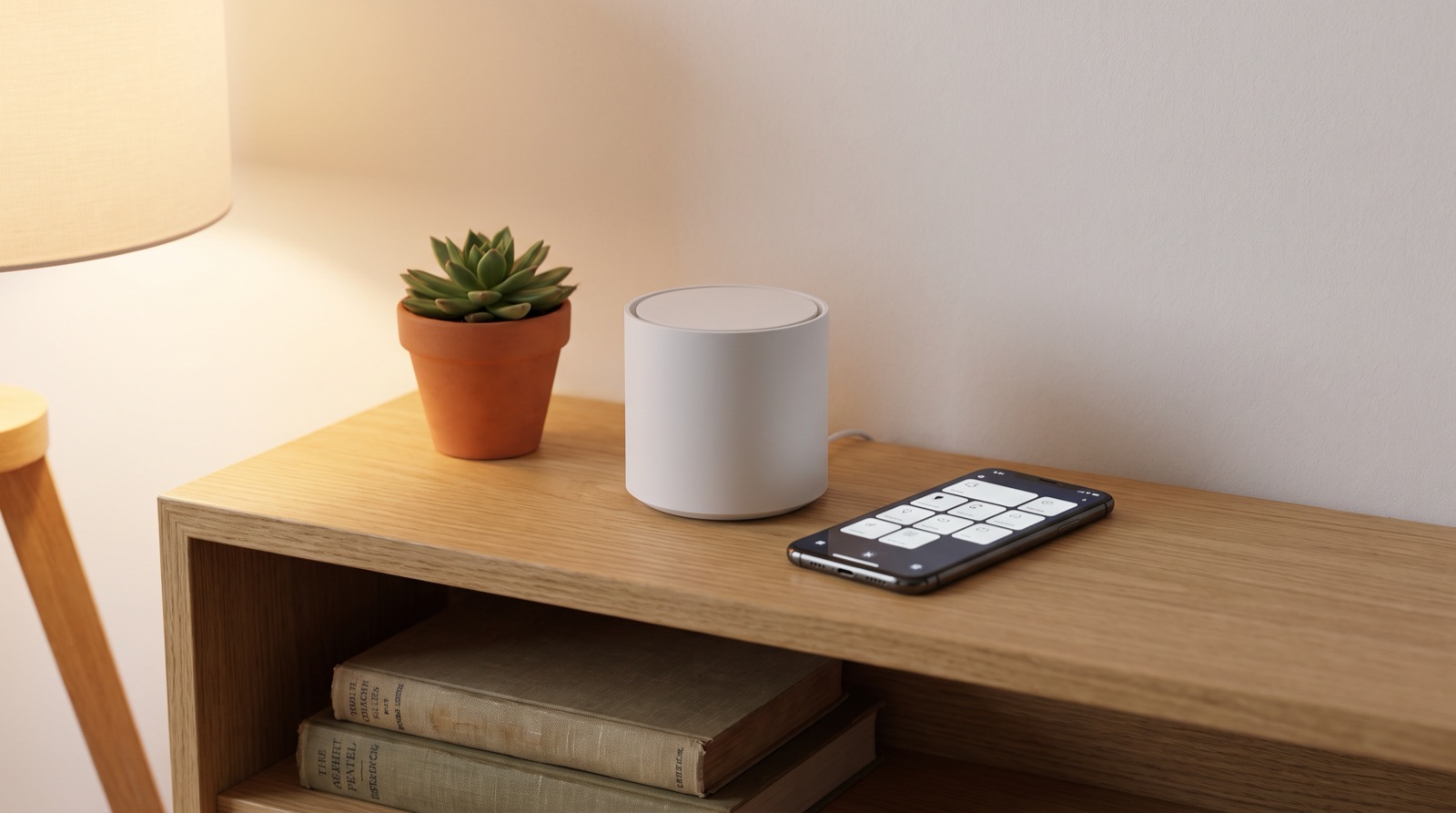
Zigbee vs Wi-Fi vs Matter smart home in Malaysia compared. Learn why local control matters, what a hub does, and what actually happens when the Wi-Fi drops.
Tell us about your space. Our B2B team will reply within one business day with a recommended setup and quotation.
WhatsApp us →
[email protected]
+603-5880 5486