







Aqara Hub Compatibility: Which Sensor Works on Which Hub
Aqara hub compatibility for installers: the FP400 supported and unsupported hub list, the 4.5.70 firmware floor, and the Matter controller rules that apply.
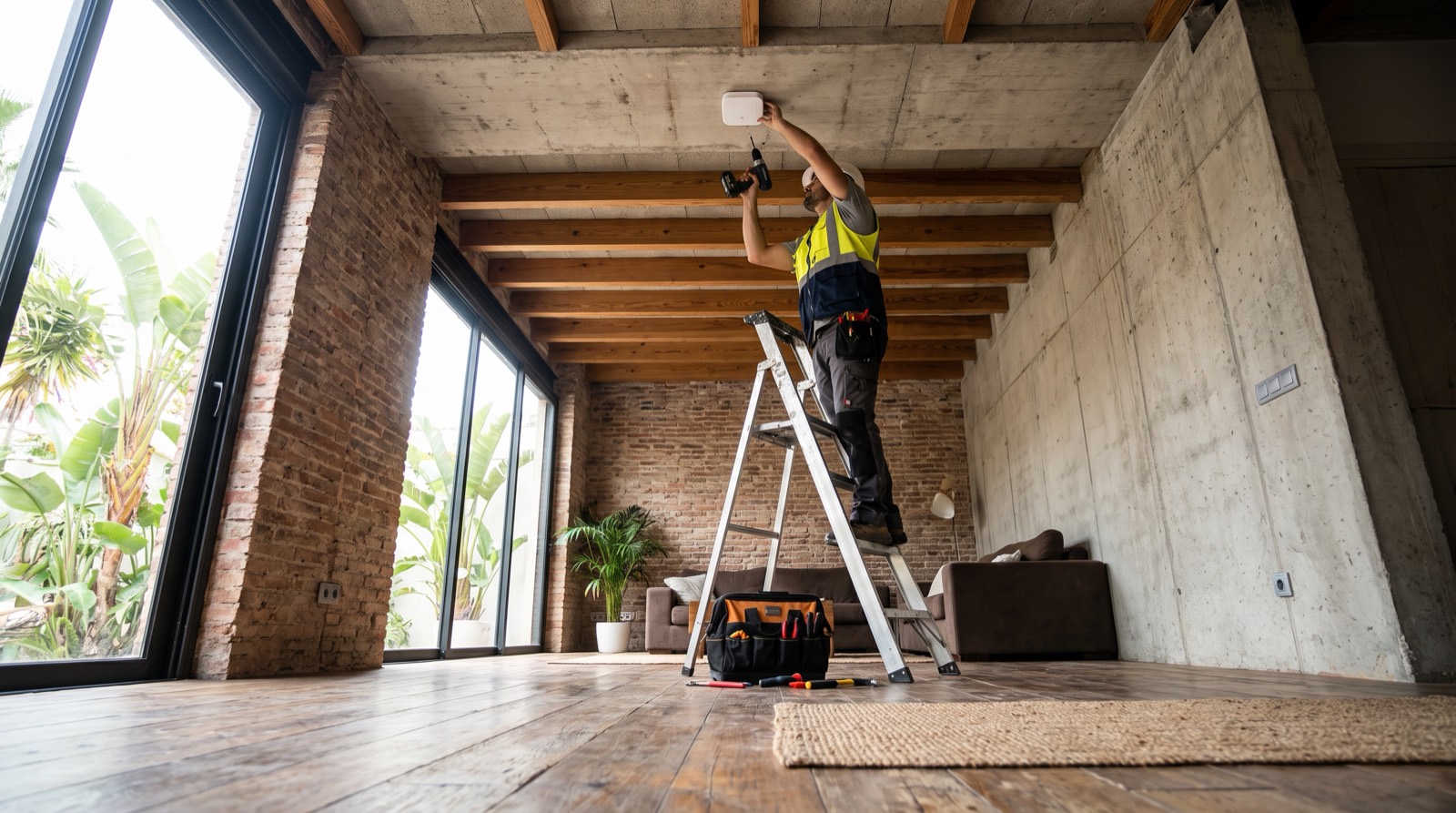
Answer up front — Aqara's recommended mounting height for its Spatial Multi-Sensor FP400 is 3 to 4 metres, and at 3 metres it covers up to 5 × 6 m for motion and 4 × 5 m for presence directly below the sensor, across a 120° field of view. It supports side, corner and ceiling mounting. That geometry is the whole design constraint. In a high-ceiling landed-house living room it works cleanly; on a 2.7 metre condominium ceiling it does not, because you are below the height the coverage figures were measured at and you must not quote the 3 m numbers. Rating is IPX5 — a water-jet ingress rating, not a permanent-outdoor rating — so a car porch in monsoon season needs a sheltered position or a different sensor.
This is the trade guide to installing Aqara's Spatial Multi-Sensor FP400 and its immediate predecessors, and it is mostly about one number: mounting height. Aqara publishes clean coverage geometry, and it only holds at the height it was measured at. Most Malaysian installations do not happen at that height, so most of this post is about recognising when to say no to a layout.
| Parameter | Aqara's published figure |
|---|---|
| Recommended mounting height | 3–4 m |
| Coverage at 3 m — motion | Up to 5 × 6 m directly below |
| Coverage at 3 m — presence | Up to 4 × 5 m directly below |
| Verified detection range | Up to 10 m depth × 8 m width |
| Field of view | 120° wide |
| Rooms divisible into | Up to 8 zones |
| People tracked simultaneously | Up to 10 |
| Posture detection | Standing, sitting, lying down |
Two things about that table deserve emphasis before you design anything.
Motion coverage is larger than presence coverage. At 3 m you get up to 5 × 6 m for motion and up to 4 × 5 m for presence. That gap is the sensor telling you the truth: detecting that something moved is an easier problem than detecting that a person is still there. If your automation depends on presence, design to the 4 × 5 m figure, not the 5 × 6 m one. Quoting the motion number for a presence-driven scene is the most common way these installations disappoint.
Presence detection is what makes a room worth automating. Tracking up to 10 people at once, distinguishing standing, sitting and lying, with no camera in the room, is the capability that lets a scene react to a person rather than to a door. The camera-free argument matters to homeowners, but as an installer you should also know it matters for building operators, where camera coverage of a bedroom or a meeting room is often simply not permitted.
| Item | Detail |
|---|---|
| Model | PS-S05E / PS-S05D |
| Dimensions | 64 × 64 × 29.5 mm |
| Power | 5 V ⎓ 1 A |
| Port | USB-C |
| Wireless | Thread + Zigbee dual protocol |
| Ingress rating | IPX5 |
| Operating temperature | −10 °C to 50 °C |
| Operating humidity | 0–95% RH, no condensation |
| Mounting styles | Side, corner, ceiling |
The power line is the one that costs you time on site. This is a USB-C device. Mounting it on a ceiling in a landed house means getting 5 V at that point — which usually means a new cable run, a supply in a fitting, or a decision to mount it on a side wall near an existing point instead. Decide that at survey stage, not on installation day. Corner and side mounting exist precisely because ceiling mounting is not always practical.
The dual protocol matters for how you commission it. Over Thread, the sensor exposes only one overall presence sensor and one illuminance sensor — you lose the per-person and zone data that justify buying it. That is covered in Aqara hub compatibility, and it is the reason to check your client's platform before you design zones.
IPX5 is an ingress-protection rating. It means the unit resists water jets from any direction. It does not mean the unit is rated for permanent outdoor installation, and Aqara publishes no UV rating, no corrosion rating and no prolonged-immersion rating alongside it.
So take a Malaysian car porch as the test case. It is sheltered by a roof but it is not sheltered in the way the datasheet assumes:
Our existing guidance on monsoon and outdoor sensor placement covers the general approach. For this sensor specifically: if the only available position is an exposed porch ceiling, do not specify it there. Move it under the eave line, inside the house looking at the opening, or specify a device rated for the job.
Here is the trade conversation, and it is the reason this post exists.
A high-ceiling landed-house living room. Double-height, or a 4 m plus ceiling. The FP400's recommended window is 3–4 m. A ceiling mount at 3.4 m sits comfortably inside it, and the 5 × 6 m motion and 4 × 5 m presence figures apply to the floor below. Zone planning against a 4.5 m room works: eight zones is plenty. This is where the sensor is genuinely strong, and it is the room where presence-driven lighting earns its cost.
A 2.7 m condominium ceiling. You are 300 mm below the lowest mounting height Aqara specifies. The coverage figures were published at 3 m. Mounting lower shrinks the footprint — that direction is certain — but the magnitude is not published, and anyone who quotes 5 × 6 m for a sensor at 2.7 m is extrapolating past the manufacturer's own test condition.
Say that plainly to the client rather than quietly hoping. Then work through the options:
| Situation | What you do |
|---|---|
| High ceiling, 3–4 m | Ceiling mount as specified; design zones against 4 × 5 m presence coverage |
| High ceiling, above 4 m | Check the upper bound before specifying; mount as low as practical within the window |
| Low ceiling around 2.7 m | Do not quote the 3 m coverage figures. Either accept reduced, unquantified coverage and re-plan the scenes, or specify a sensor intended for lower ceilings |
| Ceiling too low for ceiling mount at all | Side or corner mounting, understanding the field of view then points across the room rather than down into it |
| Exposed porch or wet area | Do not specify. Move the position or change the device |
A client who hears "the coverage will be smaller and the published figures no longer apply" accepts a design decision. A client who discovers it after the sensor is on the ceiling does not.
More general site mistakes are covered in eight installation failures to avoid.
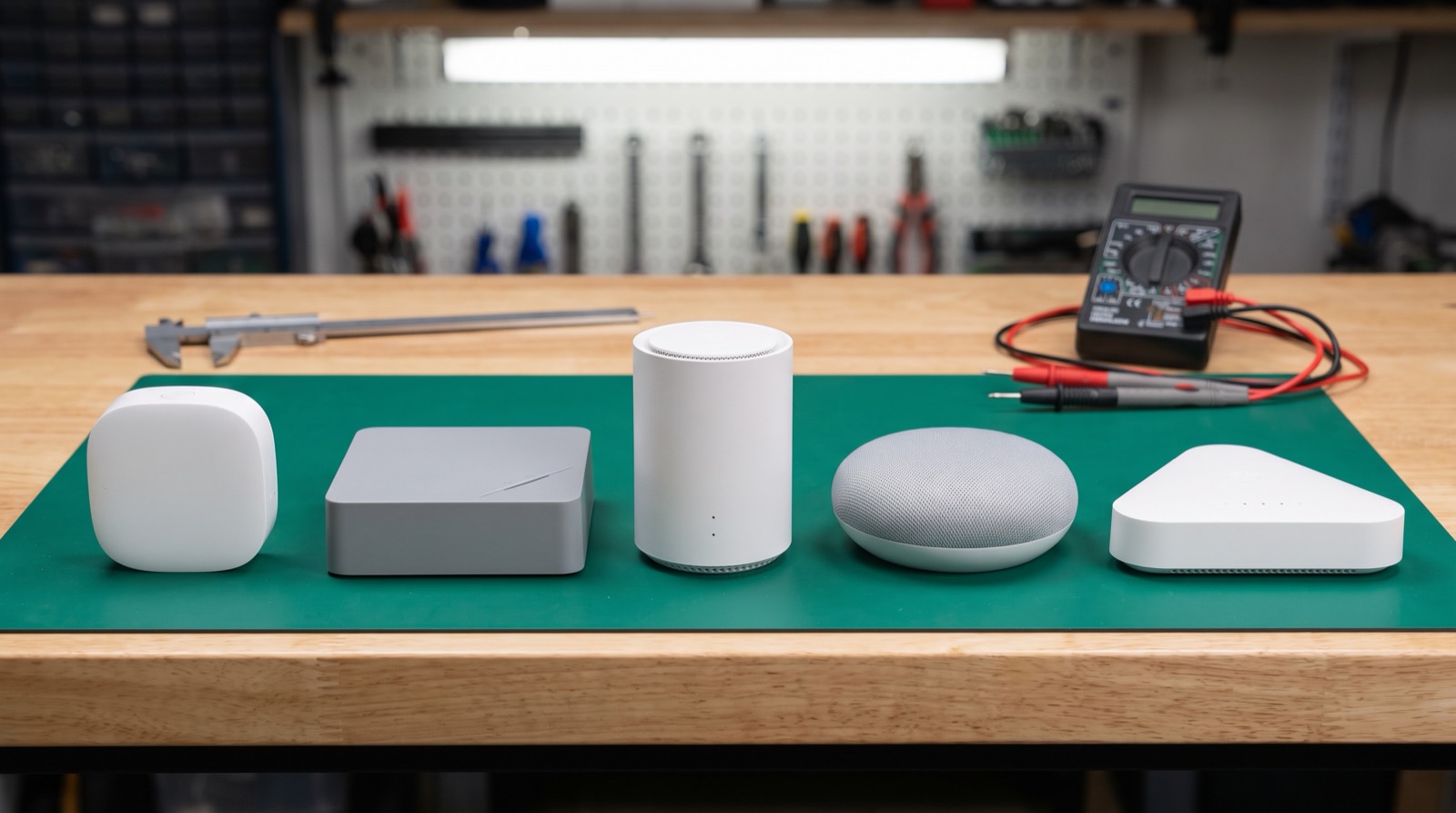
Aqara hub compatibility for installers: the FP400 supported and unsupported hub list, the 4.5.70 firmware floor, and the Matter controller rules that apply.
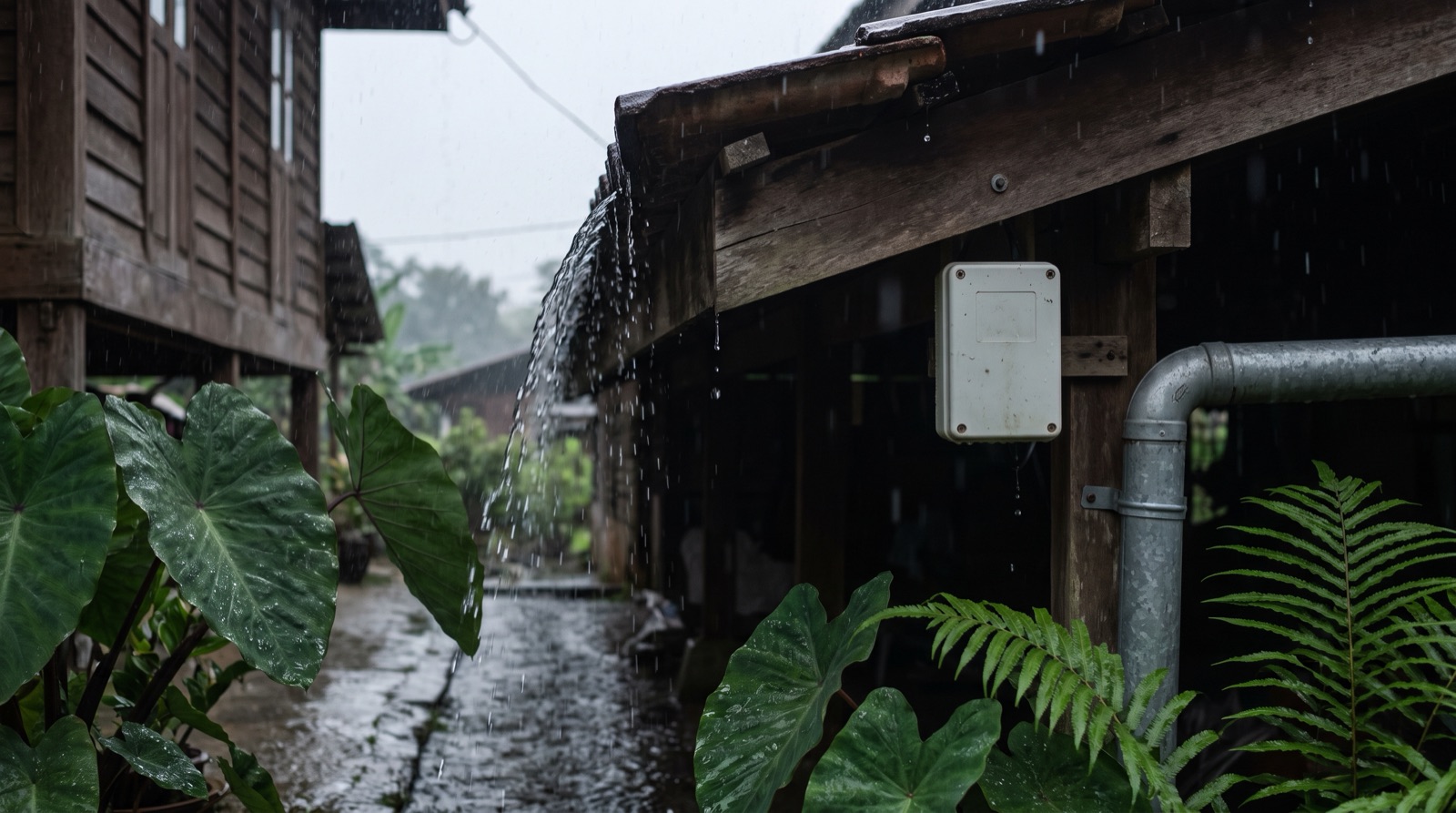
Smart home outdoor sensor Malaysia guide: monsoon sun, rain and humidity, what an IP rating means, why a car porch is not a sheltered spot, and flood advice.
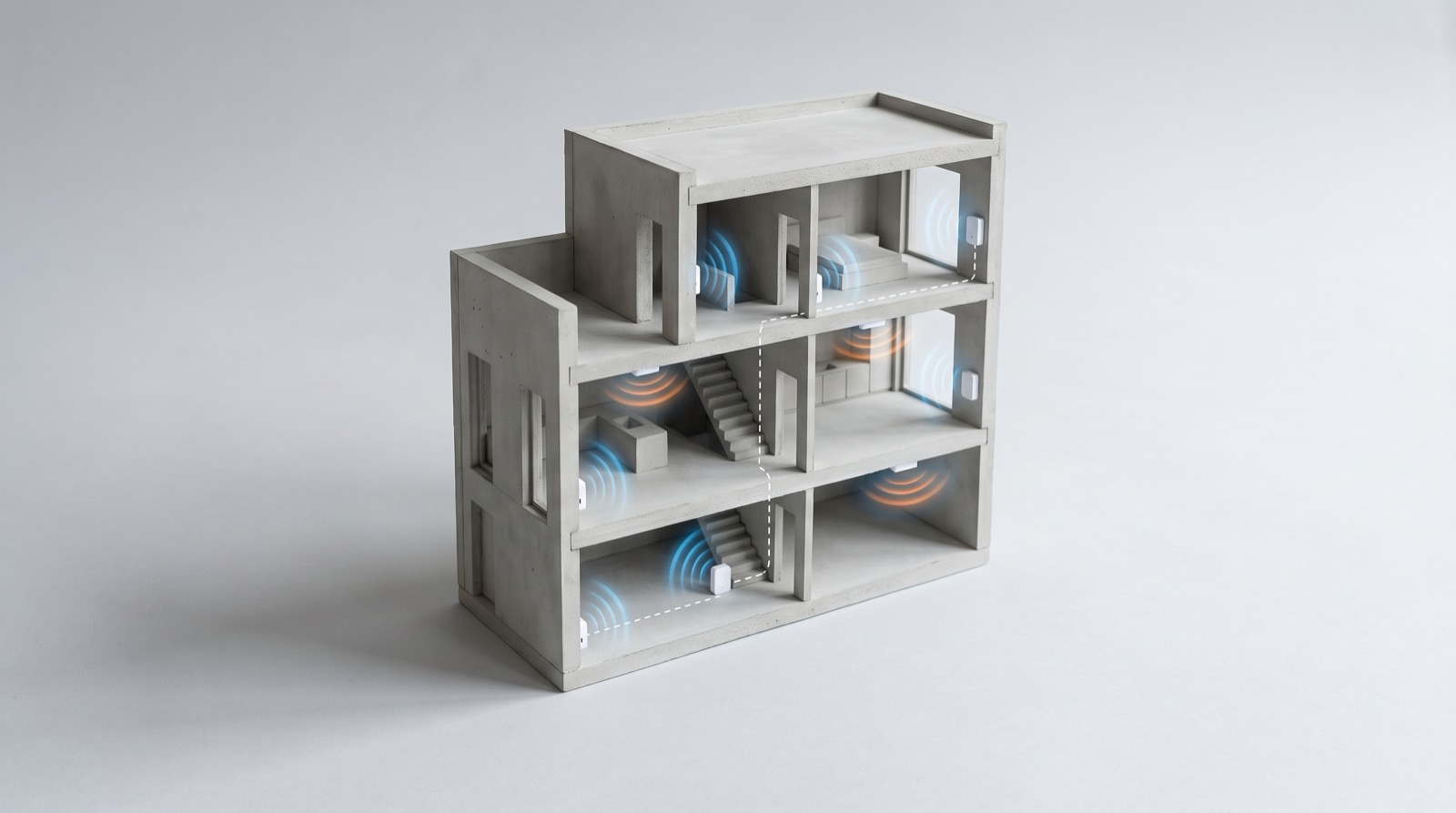
Zigbee mesh repeaters in a smart home Malaysia: why devices drop out in a landed house, how mains-powered devices extend the mesh, and how to survey RF.
Tell us about your space. Our B2B team will reply within one business day with a recommended setup and quotation.
WhatsApp us →
[email protected]
+603-5880 5486