







Will a Smart Switch Fit My Back Box? A Malaysia Back Box Guide
Smart switch back box Malaysia: shallow boxes are the second most common install failure after the neutral. How to measure the depth and the gang count.
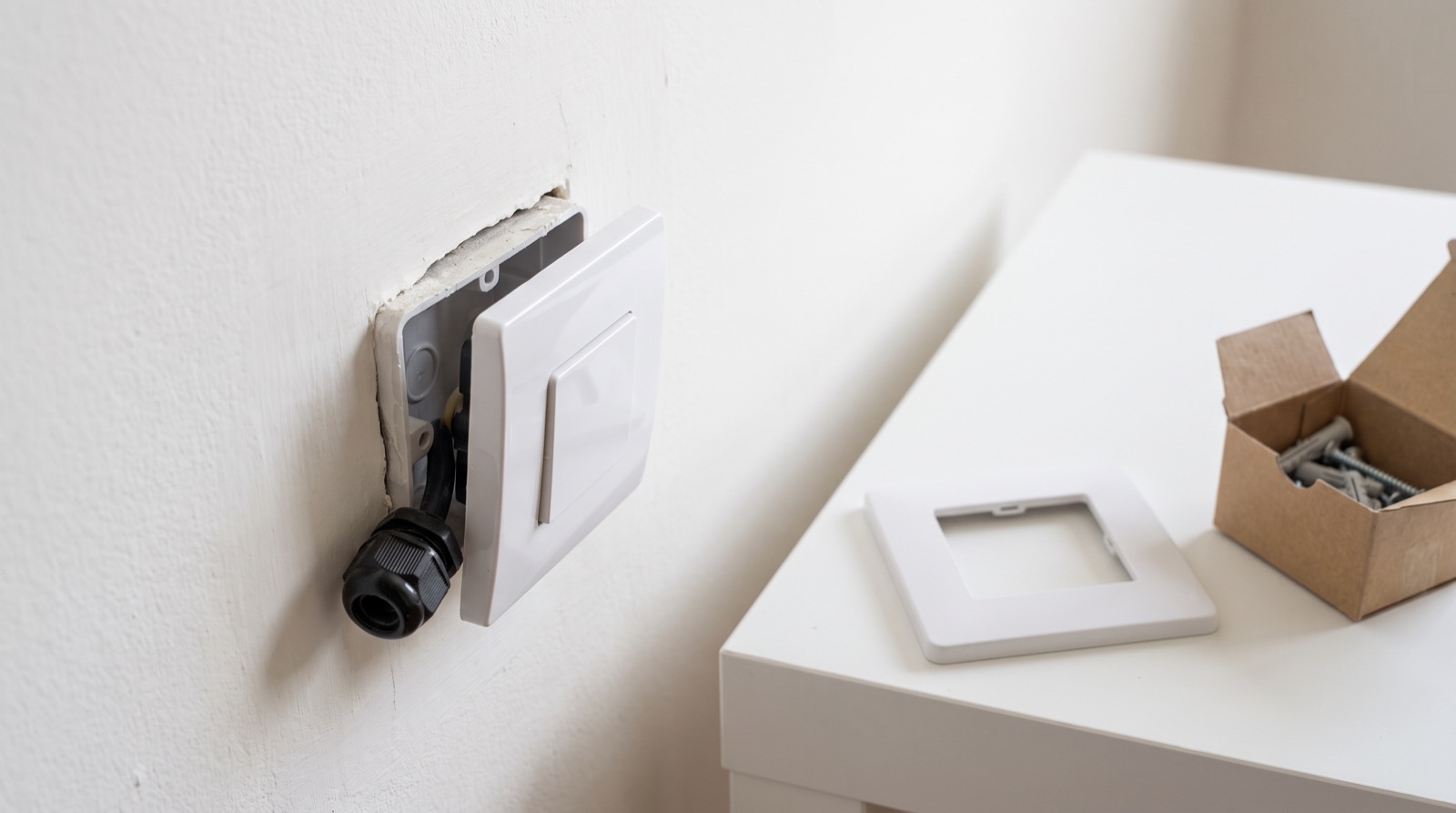
Answer up front — The eight failures that generate a return visit are the ones that were all knowable before or during the job: a plate that will not sit flush on an uneven wall, a product ordered before anyone opened the box, a module that does not fit the back box, a lighting device on an aircon load, unlabelled circuits, a mains curtain motor with no power at the window, automations tested warm instead of cold, and no documentation at the end. Every one of them has a symptom you see on site, a cause underneath it, and a fix you can apply. This is a lessons list, not a survey — we are not claiming these are the top failures in the industry, because we do not have the volume data to justify that claim.
Nobody publishes a list of their own failures. It reads badly. It is also the most useful thing we can put in front of a wireman deciding whether this product line makes their life easier or generates a call-out at 9pm on a Sunday.
So: a list of failure modes that matter, drawn from what this kind of work throws up. It is not a ranked top-eight. There is no database behind it, no failure rate, no percentage. If a competitor shows you a chart of the top smart home installation mistakes in Malaysia with percentages on it, treat it as content, not data.
Symptom. A smart faceplate that rocks, shows a shadow gap along one edge, or sits proud of the plaster. On a dark grey or white plate against a painted wall, this is the first thing the client sees every day.
Cause. Two things, and they compound. The wall plane is not flat, or the box is not plumb. Separately, a smart module body generally sits further back than the original plate did, so the face needs a longer frame to pull tight. Fit a new faceplate onto a shallow, slightly out-of-plane box and it will never sit flat.
Fix. Before fitting any multi-gang plate, put a laser line level or a long straightedge across the whole run and look at it. If the wall bows, the fix is the wall — a longer-screw fixing into a sound substrate, packing, or a faceplate with a deeper frame. If the box is the problem, you are into chasing, which means a registered wireman and wall repair, and that decision belongs at the survey. See running cable and chasing in concrete walls.
Symptom. The device arrives and will not go in the box, or the circuit turns out to have no neutral at that position and the device requires one.
Cause. Ordering against a floor plan, a client wishlist or a schedule, instead of against the box. Malaysian homes are not consistent. A house can have a neutral at the kitchen switch and none at the bedroom switch, because parts of it were wired or altered at different times. A survey recording neutral present or absent per position is the document that tells you which product is even legal to fit.
Fix. Open the boxes and look, then order. The survey is covered room by room in how to survey a Malaysian home before quoting. The rule: survey first, order second. If the survey changes the product, it changes the price too — and finding that out on paper beats finding it out with the client standing behind you.
Symptom. The module will not seat. The terminals will not close. The faceplate will not pull up tight no matter how hard the screws go.
Cause. Depth. Malaysian back boxes are often shallow, and the space you need is the module body plus the existing conductors plus the bend you must leave so the cable does not pinch. Add gang count and it gets worse — a three-gang faceplate across three shallow boxes is a different job from a single.
Fix. Measure the box depth against the module's stated depth requirement at survey stage, not on install day. If it does not fit, the client needs to hear all three options: a deeper box with chasing, a relay module at the ceiling rose where the neutral already is, or a different product. Those are set out in no-neutral, rewire, or relay module, and the geometry is in will a smart switch fit my back box. Deciding at the survey is what keeps this from becoming a return visit.
Symptom. Nuisance tripping on the RCBO. A module that drops off the mesh when the load starts. A plate warm to the touch after the water heater has run.
Cause. A lighting plate is not a water heater switch. Lighting devices are built for lighting circuits, not for the inrush of an aircon compressor or a heating element. Fitting one because it is the plate already on your van is how a job fails under load three weeks after handover, not on commissioning day.
Fix. Match the device class to the load. For aircon and water heater circuits, a 20A-class device is the right family — in the Malaysian range, the Smart 20A Switch H1 (SEA Version). Circuit sizing, breaker rating and conductor remain the wireman's call under the current Malaysian wiring standard; your job is to specify the device that matches the circuit you have. Detail in aircon, water heater and 20A circuits.
Symptom. A callback where you spend twenty minutes isolating a circuit that should have taken two. Or the next electrician, working blind in a board you fitted.
Cause. Nobody labels, and the labels already there are frequently wrong or left over from a previous owner. Confident labelling from a previous tenant is worse than none, because people trust it.
Fix. Mark, durably and legibly, the breaker for every circuit you have converted or that now feeds a smart device. Then verify by isolation, not by the label you just read off the previous owner's writing. Produce a printed schedule and leave it inside the board door. The board is the one part of your work that outlives you, and the one nobody remembers was done by you.
Symptom. Motor fitted, track in place, and it does not move. Or it moves only because it is powered off a socket on the other side of the room, with a cable you have to explain away.
Cause. Nobody confirmed a power supply at the window head during the survey. The conversation at quotation stage was about curtains, and nobody asked where the mains is coming from — or whether a battery unit would have been the better answer.
Fix. Decide the motor type at survey. A mains track motor — the Curtain Controller (SEA Version) or Curtain Controller C3 — needs its supply planned at the curtain track, not at a convenient existing socket. The electrical feed is the easy half: the motor also needs a curtain box that gives it space, a bracket holding into something sound, and a home for the cable that does not end up taped to the wall. Where there is no practical way to get mains to the window, the Curtain Driver E1 is a battery clip-on unit for an existing track or rod, so it needs no supply at all — but it does need a charging plan, and the track has to suit it. Site conditions in motorised curtains and blinds installation.
Symptom. Everything works when you demonstrate it at 5pm. The hallway scene does nothing at 9pm on a Tuesday.
Cause. You tested with the hub already up and the mesh already joined — a warm system against a cold one. Devices still joining, a scene that has not re-armed, a timeout that outruns the rejoin: none of these show up when everything has been stable for an hour.
Fix. Power the hub down, let it settle, bring it back, and wait until the whole mesh has rejoined before you trigger anything. Then run every automation and scene from cold. This is not installation; it is commissioning, and it should be a line item with its own duration on your quote. The full method, with the per-room test sheet, is in commissioning and handover testing.
Symptom. The client cannot work out how to turn the hallway light on when the app is down, so they call you. Or they want to add a room next year and nobody — including you — can tell which circuit feeds which switch.
Cause. The job ended when the last device joined the hub. The part that makes the system usable by someone other than the installer was never written down.
Fix. One document, handed over on the client's own phone: a device list with model and location, the hub details and which account owns it, every automation in plain language rather than rule names, how to turn each light on at the wall when the app is not there, what you deliberately did not automate and why, and who to call. The manual override section prevents the call. A client who physically cannot switch a light on considers the system broken, and is entirely correct to.
| # | Failure | Symptom you see | Cause underneath | Fix |
|---|---|---|---|---|
| 1 | Plate not flush | Shadow gap, rocking face | Wall out of plane, box shallow, frame too shallow | Straightedge check before fitting; deeper frame, packing, or chase the box |
| 2 | Ordered pre-survey | Will not fit, or no neutral at that position | Ordering to a plan, not to the box | Open the boxes, then order |
| 3 | Box too shallow | Terminals will not close | Depth, conductors and bend radius | Measure at survey; deeper box, relay at the rose, or different product |
| 4 | Wrong device class | Tripping, warm plate, drop-off | Lighting plate on an aircon or heater load | 20A-class device for those circuits; test worst case |
| 5 | No circuit labels | Long isolation hunt; next tradesman is blind | Nobody labels; old labels wrong | Mark, verify by isolation, print the schedule |
| 6 | No power at the window | Mains curtain motor does not move | Supply never planned at survey | Design the feed into the track at survey, or specify a battery driver |
| 7 | Warm test only | Works for you, fails that night | Mesh not cold when you tested | Cold-start test as separate commissioning |
| 8 | No documentation | Client cannot operate it | Job ended at the last pairing | Handover pack, including the manual override |
Not the device.
What it costs is the call-out: the van, the hour, the fuel, the apology, and the thing you cannot get back — the client's memory of how that visit went. In a landed or condo market where most work comes from someone else's recommendation, one bad callback costs more than the margin on the original job.
Three of these eight — the flush plate, the wrong device class, and the cold-start test — are visible to the client on day one. The other five stay invisible until something goes wrong at 9pm. The invisible ones are what repeat work is made of.
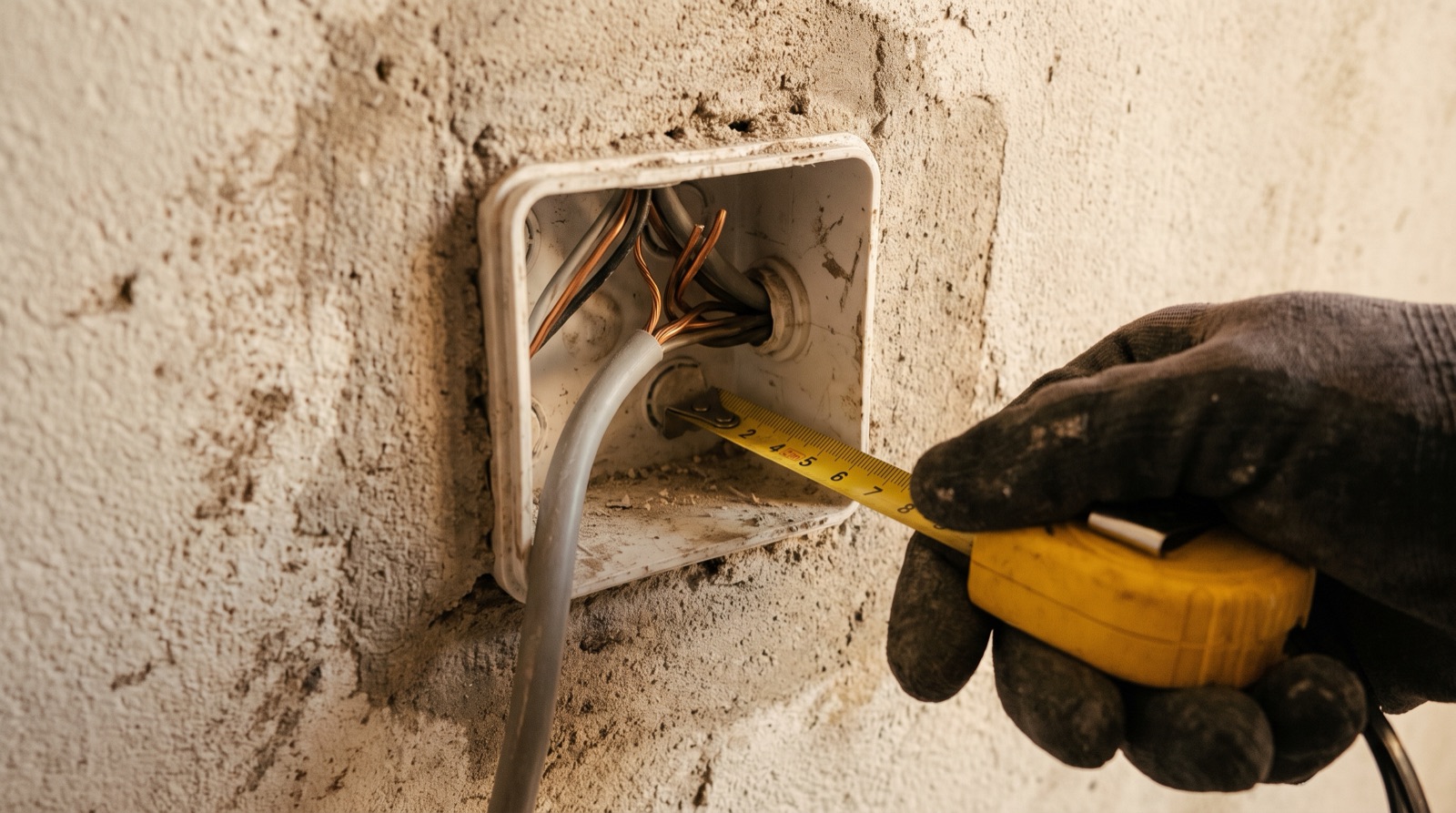
Smart switch back box Malaysia: shallow boxes are the second most common install failure after the neutral. How to measure the depth and the gang count.
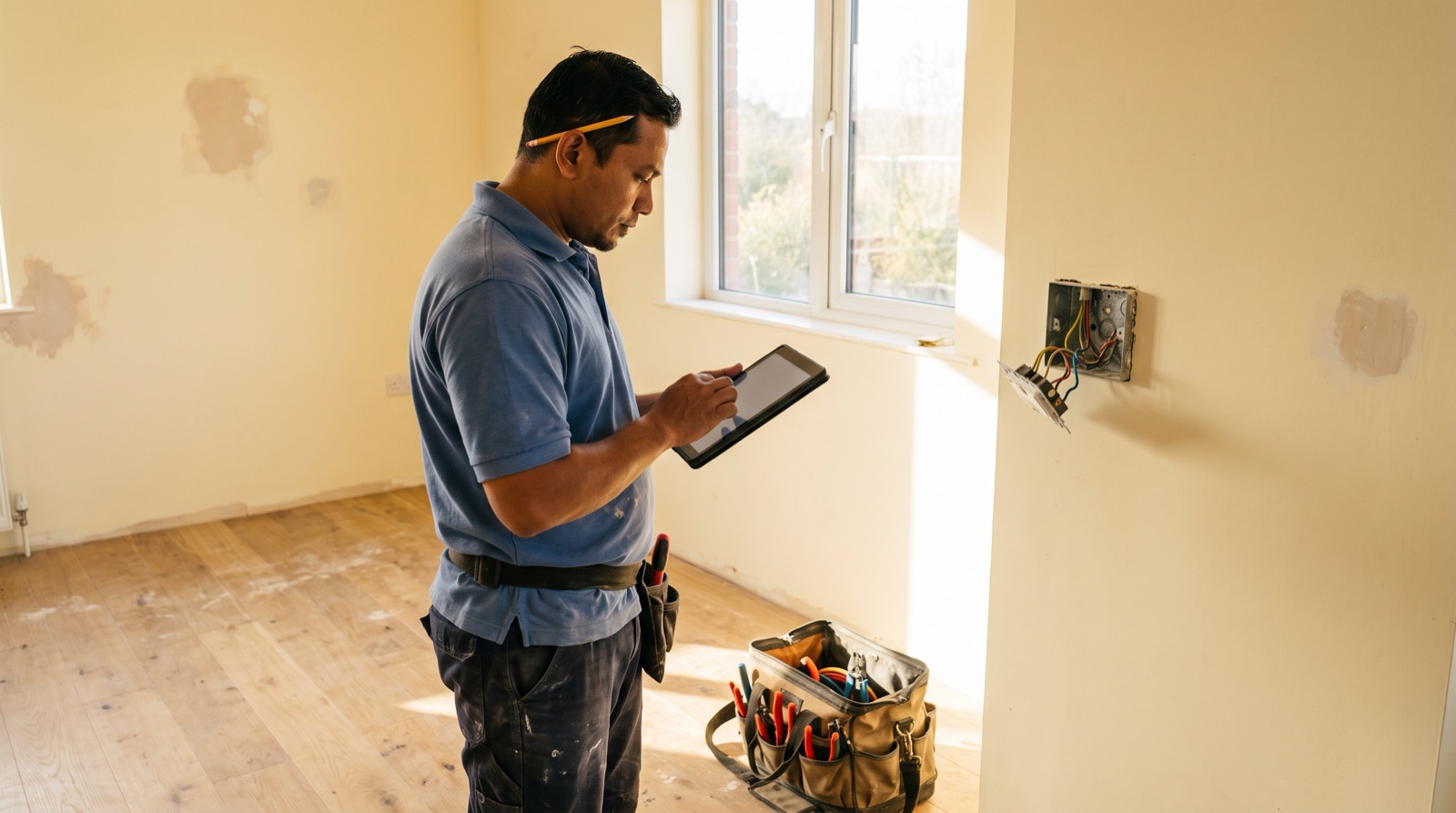
A smart home site survey Malaysia checklist: how to record neutral presence, back box depth and circuit ID at every switch position, before you quote.
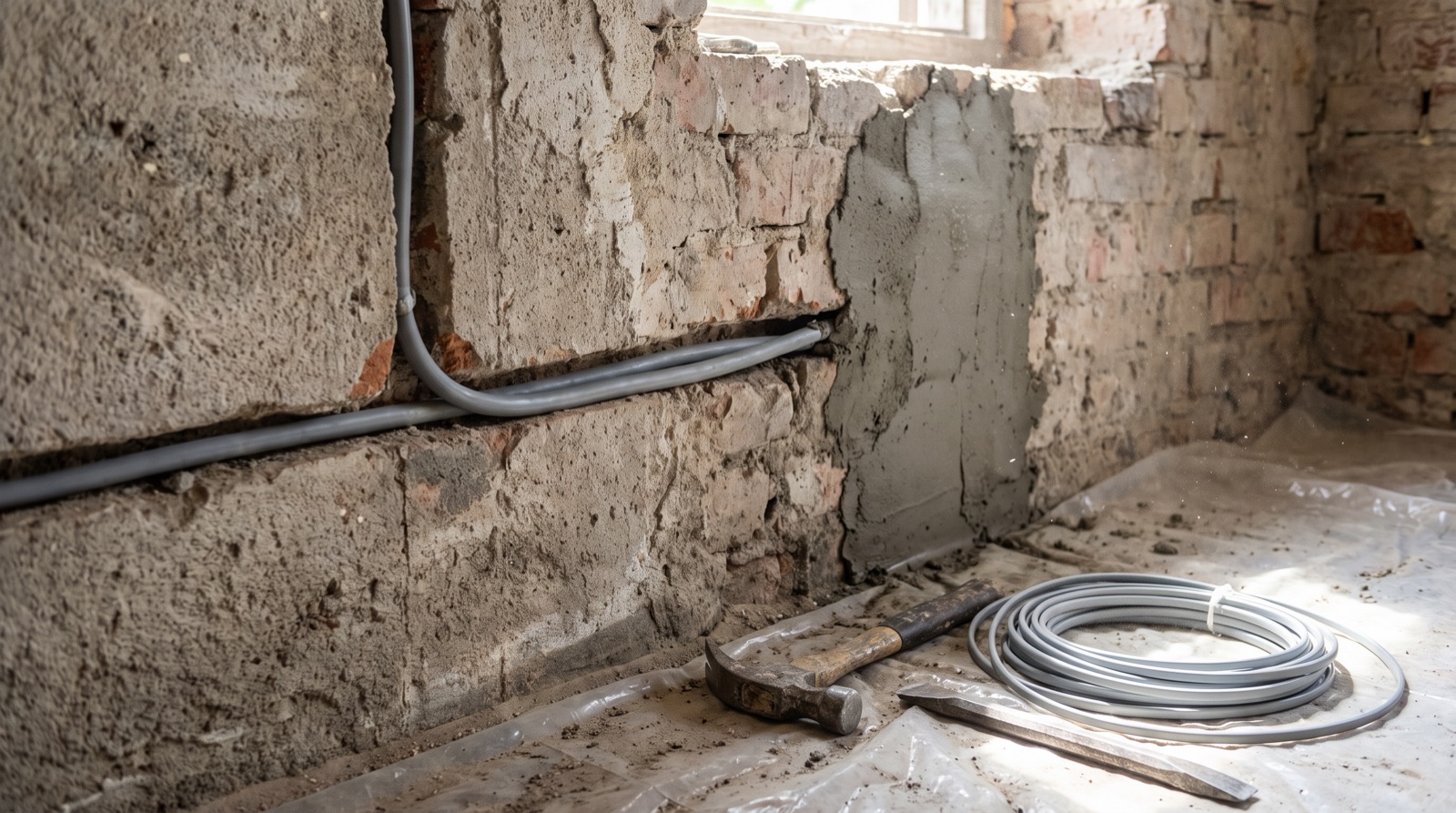
Chasing wall smart home guidance for Malaysian concrete and brick homes: when to chase, when to use surface conduit, and what to pull while the walls are open.
Tell us about your space. Our B2B team will reply within one business day with a recommended setup and quotation.
WhatsApp us →
[email protected]
+603-5880 5486