







Aqara Installer Malaysia: How to Join the Partner Program
Want to be an Aqara installer in Malaysia? Who the partner program suits, what the work involves day to day, and how to apply as a wireman or integrator.
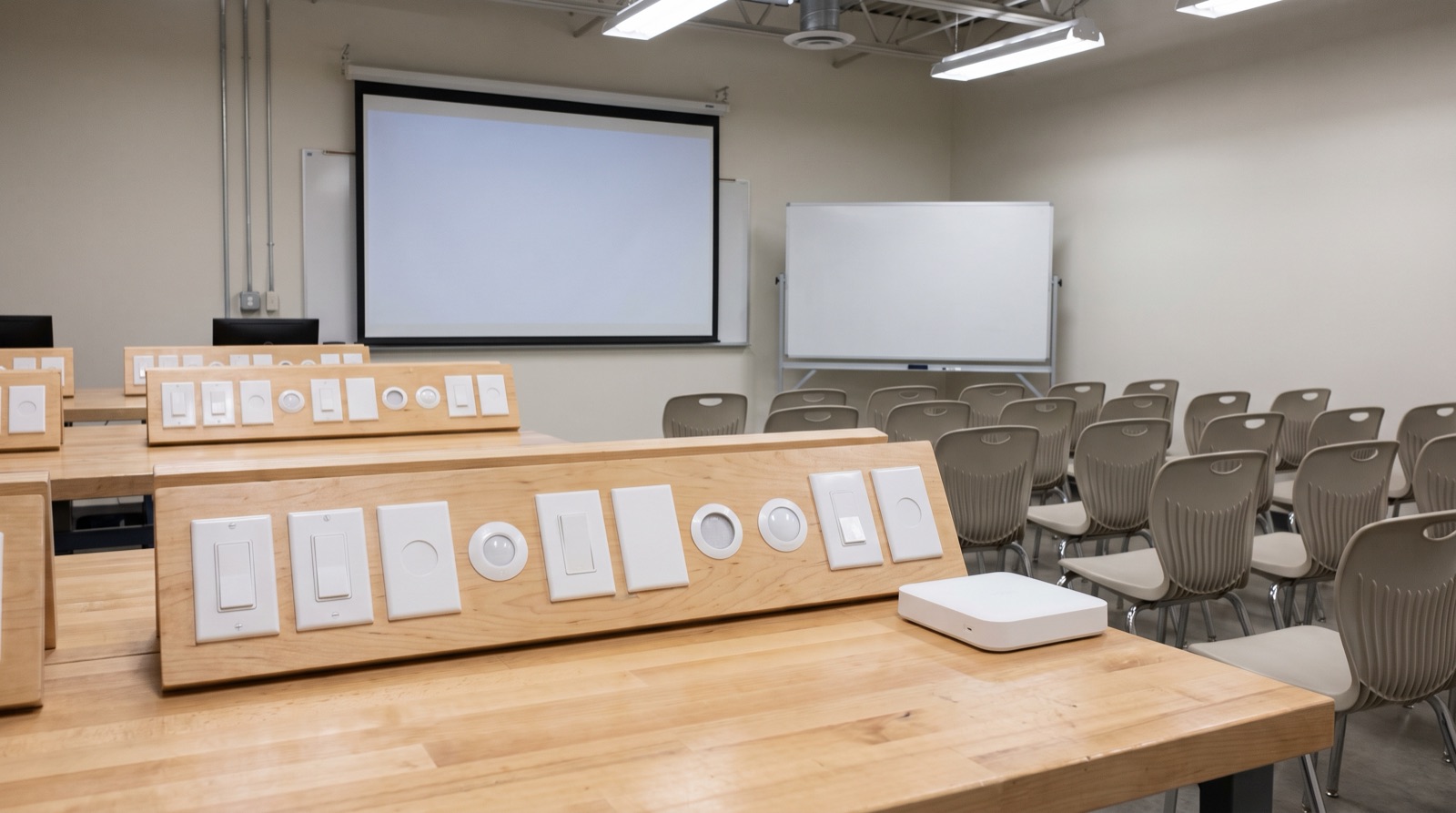
Answer up front — The training this work actually needs falls into six areas: product knowledge, survey competence, load and neutral judgement, automation design, commissioning, and documentation. You already have some of them. Aqara runs an Installer & Integrator Program globally, and in Malaysia installers work through the Synchroweb installer partner programme, as Synchroweb is the official Aqara distributor here — but the current programme structure, any certification arrangements and the commercial terms come from the team directly. We are not going to invent a certificate name, a level, a course duration, a fee or an assessment format in a blog post. Ask for them in writing before you commit to anything.
Most electricians arrive here strong on the electrical side and new on everything else. That is the right way round, and nobody needs a certificate to fix it.
But the commercial argument is simple. Every hour you spend learning on a client's wall is an hour you are charging them for your own education, and the first job where you guess is the job that produces the call-out. The homes are not consistent. A neutral at the kitchen switch and none at the bedroom switch in the same house is normal. A back box that measured fine on the drawing is too shallow in the wall. You cannot learn those by reading a product page, and you should not find them out with the client watching.
Training is not about becoming cautious. It is about being fast and boring on site, which is what gets referred.
| Skill area | What it actually means | What "not yet competent" looks like |
|---|---|---|
| Product knowledge | Which device fits which job, and why | Reaching for the plate on the van regardless of the load or the box |
| Survey competence | Reading a house before quoting it | Ordering first, opening the box on install day |
| Load and neutral judgement | Matching device class to circuit, knowing when a rewire is the honest answer | Fitting a lighting device on an aircon or water heater load |
| Automation design | Building rules a non-technical person understands | Naming rules "Automation 4" and calling the handover done |
| Commissioning | Proving it from cold, not warm | Demonstrating at 5pm and leaving |
| Documentation | Handing over something the client keeps | A receipt and an app printout |
Read that table as a self-assessment rather than a syllabus. The right first step is to mark the rows where you would not want to be caught, and train those.
Not the whole catalogue. The decision set: which switch for a neutral circuit and which for a circuit without one; which device class belongs on a lighting circuit versus an aircon or water heater; gang count matched to the plate being replaced; lamp type and dimming behaviour; what needs a hub and what the hub actually does.
Aqara is Zigbee-first and a hub can control up to 128 related devices. Adding Matter accessories — including Matter over Thread — requires a Matter controller such as Hub M3, set up in Aqara Home first. Zigbee devices can go in via Hub M3 or the S1 Plus, because the S1 Plus is itself a Zigbee hub. Those are the facts people get wrong and end up debugging on site.
The largest single time block on your first job in a house is spent finding out what is already in the wall. Open the box, record neutral present or absent, measure the back box depth, identify the circuit by isolation, note the wall substrate and the plasterboard or masonry condition. That finding decides which product you are allowed to fit.
The method is written up room by room in how to survey a Malaysian home before quoting. Practise it on a house you are already in for other work. The skill is entirely about habit, not theory.
This is where the money is protected. Getting the load wrong is what turns a job into a return visit, because the fault appears weeks later under real load rather than on commissioning day.
Circuit sizing, breaker rating and conductor type remain the wireman's call under the current Malaysian wiring standard — you already know this. The new part is the device matching the circuit, and knowing when the honest answer is "this one needs a neutral run". Saying that on the quotation gets you the job two years later, when the client has had no faults.
The technical part is the easy part. The judgement part is what a rule should do that the client actually wanted, how long the delays should be, and whether a scene should exist at all. Aqara works with Apple HomeKit, Amazon Alexa and Google Assistant, so the client may well drive it from a platform you never touched.
The skill is writing the rule in a sentence a human follows, because that sentence is what ends up in the handover pack.
Proving the system from a cold start, load testing every converted circuit, checking behaviour when the Wi-Fi drops, and doing the client walkthrough on their own phone. This is a separate, paid step from installation and it should be a line item with its own duration. If a job is twenty switch positions, commissioning is not the squeezed last hour.
The full method, with a per-room test sheet, is in commissioning and handover testing.
A device list with model and location, the hub and account owner, the automations in plain language, the manual override explained per device, what you did not automate and why, and who to call. This is the section that prevents the callback, and it is the one that gets skipped when the job is running late.
A skill nobody puts on a training list, and the one that protects your reputation fastest.
Walk away — or pause and price it properly — when:
The last one is the most common and the least discussed. Walking away from a job where nobody can describe the outcome is not losing work. It is declining a callback you have already agreed to.
Start with the product data, not a course. The spec sheets and compatibility notes are consolidated in the installer resource hub, and which Aqara product for which job turns them into a decision table. Partner pricing is provided to registered partners through the programme, so take any figure you quote from the current partner price list, not from memory.
Then come onto the programme. Aqara runs an Installer & Integrator Program globally; in Malaysia, the way in is the Synchroweb installer partner programme, run by the official Aqara distributor here. The programme is where stock, product data, a local warranty route and a person to ask in Malaysian time come from — the things that make the work workable rather than merely possible.
What we will not do is describe the programme structure here. We are not going to publish a certificate name, a certification level, a course duration, a fee, an assessment format or a training schedule, because we are not going to invent one, and you should not commit to anything on the strength of a blog post. Current programme structure, any certification arrangements and the commercial terms are confirmed directly with the team when you apply. Ask for them in writing and read them. Anyone handing you terms on a first phone call without a document is not doing this properly.
That is not a way of dodging the question. It is the same discipline this whole series runs on: say what you know, say what you do not, and let the client check.
If you already run domestic work at volume, already understand loop-in wiring and the neutral problem, and already hand over documentation, then your training gap is narrower than this post suggests — probably product specifics and the app, not the method. Come and talk to us anyway; the conversation is useful either way, and we would rather tell you that than sell you a programme you do not need.
If you are looking for a passive product drop with no site visits, this is not that, and we would say so on the first call.
Want to be an Aqara installer in Malaysia? Who the partner program suits, what the work involves day to day, and how to apply as a wireman or integrator.
From the official Aqara Malaysia distributor: the current range, which products need a neutral, back box and gang needs, aircon loads and local support.
A sirim smart switch malaysia compliance guide — what to check before buying mains-powered gear, who may do the wiring under Act 447, and where PDPA applies.
Tell us about your space. Our B2B team will reply within one business day with a recommended setup and quotation.
WhatsApp us →
[email protected]
+603-5880 5486