







Spatial Intelligence for Senior Living, Care and Education in Malaysia
Smart elderly care home Malaysia and adaptable classroom spaces: presence-based signals in senior living, occupancy-driven teaching spaces, and honest limits.
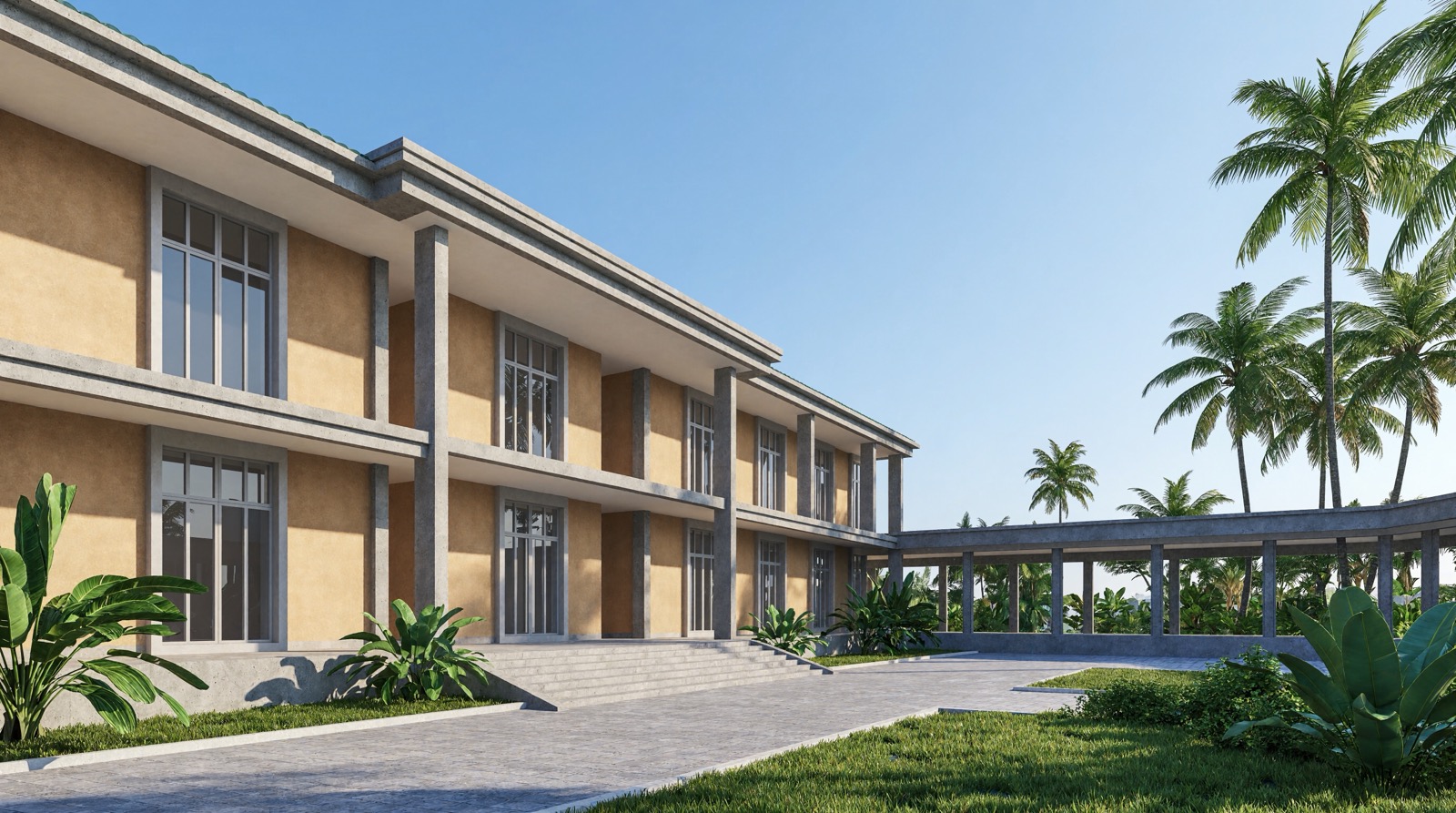
Answer up front — A campus does not need a smart building. It needs the rooms it uses to be used better. Four things work: classroom lighting that follows daylight rather than a timetable, shared spaces that turn off when nobody is in them, access control that knows which doors should be locked after hours, and environment monitoring in the plant rooms. The part that needs a policy decision before a technical one is people tracking. A building system that follows individuals around a school raises real safeguarding and privacy questions, and what you deploy is a decision the school has to own, not a default to inherit from a vendor. Also note the boundary: a smart building system does not replace a certified fire alarm, a compliant access control system, CCTV or a nurse call system.
This is written for a school or college project manager, a board or management committee member, and anyone who has been asked to price a "smart campus". It is deliberately narrower than the industrial and hotel posts in this series, because a campus has constraints the other building types do not.
Three things are true about Malaysian school and college buildings specifically.
Daylight is the biggest variable. A classroom facing west is unusable for part of the afternoon, and the lights are on regardless. A classroom facing north-east needs almost none of them on until late. Any lighting system on a campus is, underneath, a daylight management system, and the fixtures are secondary.
The building is used in bursts, not continuously. A teaching block is empty for eight weeks of the year. A canteen is empty for twenty hours a day. The energy waste on a campus is not in the classrooms — it is in the spaces that stay switched on by default because nobody knows they are empty.
After-hours access is a real safety question. A school that opens a car park or a block of classrooms at 7pm for one activity is running a building with almost nobody in it. Doors left on automatic are doors open.
Those three facts point at the scope. Classrooms, shared spaces and doors. Not a building management platform.
The classroom is where the school spends its money and where the parents will notice. Three controls do the work:
Our designing smart lighting scenes post covers how to build the scenes so they do not become a distraction.
The limit. Presence detection in a classroom tells you the room is occupied, not that a class is running. A store room with a caretaker in it reads the same as a teaching lab with thirty students in it. If your operation depends on knowing how many people are in a room, this is the wrong class of device — which is why the privacy section below exists.
Labs, halls, libraries, canteens, sports halls, staff rooms, prayer rooms. They are all intermittently used and all tend to be left on.
| Space | Control | What it needs |
|---|---|---|
| Hall, canteen, library | Presence detection driving lighting and air-conditioning | Presence Multi-Sensor FP300, or Motion and Light Sensor P2 where lighting is the only load |
| Cold store, pantry | Climate and door monitoring | Climate Sensor W100 for temperature and humidity; Door and Window Sensor P2 on the door |
| Plant room, riser | Leak and smoke | Water Leak Sensor T1 is rated IP67; a smoke detector; both on the local controller |
| Car park, gate | Lighting by presence, access control | Presence detection for lighting; a smart lock for the door that should not be open |
| Store, cabinet, safebox | Tamper and drop | Multi-State Sensor P100 for open/close and tilt; Vibration Sensor T1 for a disturbance |
The Multi-State Sensor P100 is worth knowing about on a campus, because it is small, coin-cell powered and peel-and-stick: it can report open and close, or report movement, tilt, vibration and drops, and you select only the events you care about to cut notification noise and stretch the battery. On a school site where nobody wants a flood of alerts, that selectivity matters more than the sensor's cleverness.
The smart access layer on a campus is usually the part with the best ratio of benefit to effort, because the problem is unglamorous and measurable: doors that should be locked are not, and doors that should be open are locked.
| Case | Model | Key point |
|---|---|---|
| Side doors, garages, offices | Smart Lock U300 | Lever handle; fingerprint, PIN, NFC and Apple Home Key; Matter over Thread |
| Retrofit onto an existing deadbolt | Smart Lock U200 | Mounts inside; outdoor keypad with fingerprint, PIN and NFC; keypad rated IPX5 |
| Retrofit, simpler | Smart Lock U200 Lite | Fits over an existing deadbolt; auto-lock; rechargeable battery |
| New build, no hub wanted | Smart Lock B50 | Built-in Wi-Fi 6, so no hub; about six months on four AA batteries; USB-C emergency port |
The limit, and it is a real one. These are smart locks, not a compliant access control system. A school has obligations around visitor management, safeguarding and its own security policy, and a smart lock does not discharge them. If the campus has a compliant access control system for a reason, the smart layer sits beside it rather than replacing it. Our access control and after-hours operation post covers that boundary, and guest access without lending keys covers the visitor side. Aqara publishes no door thickness figures for any lock model, so door fit is confirmed at the site survey, and fire-rated doors are a separate question — the lock specification and the door specification have to be checked together.
This is the part of a campus project that most needs to be decided before any sensor is ordered.
A presence sensor in a corridor knows that somebody is in the corridor. A presence sensor in a teaching room knows that a room is occupied. A camera with on-device recognition can identify a person. Each is a different proposition, and the difference between "the lights came on" and "the register knows who was in the corridor" is the difference between a building system and a surveillance system.
The questions a school has to answer, in its own policy, are:
What we can say plainly. Aqara's camera devices do face, gesture and pet recognition on the device, and the Smart Lock D200i does 3D face recognition for entry. Those are capabilities, not recommendations, and any step beyond presence detection on a campus should be a documented decision by the school with a named owner.
Malaysia's data protection law applies here. The Personal Data Protection Act 2010 (Act 709), as amended by the Personal Data Protection (Amendment) Act 2024 (Act A1727), is the relevant framework. The amendment replaced "data user" with "data controller" and added biometric data to the sensitive category, which is directly relevant to a face recognition decision. Anything that identifies individual students needs its own sign-off before you deploy it. Our SIRIM, Suruhanjaya Tenaga and PDPA compliance post sets out the wider compliance frame.
A smart building system on a campus does not replace a certified fire alarm system, a compliant access control system, a compliant CCTV system, or a nurse call system. It sits beside them. A building that automates its lighting and monitors its plant rooms is a better-run building, and it is still not a compliant building on its own. This is the boundary that protects a school from a false sense of coverage.
Education procurement in Malaysia is rarely a single award, and that is not a problem to be solved. The workable shape is a first phase that needs no integration and no policy decision — classroom lighting control in a defined block of classrooms, shared-space lighting and air-conditioning control, leak and smoke detection in plant rooms, and smart locks on the doors that are already the security problem.
A second phase comes later, once the first has run a full school year and the school knows what it actually uses: shared-space utilisation reporting, the after-hours intrusion layer, and only then the site-level platform for campus-wide occupancy.
Two questions to settle in phase one, because they get expensive later. Who holds the account and the credentials after handover — the school, or a contractor — and what happens when that contractor changes. And whether the campus network can carry the system, because a hub on a congested school network is a support call waiting to happen. Hub placement, Wi-Fi coverage and power backup covers that, and structured cabling before the walls close is the one to read before phase one is signed off.
Classroom lighting and blinds in one defined block, with presence detection that reads a seated class and a daylight-linked blind. Shared-space lighting and air-conditioning control in the canteen, hall and library. Environment monitoring in the plant rooms, risers and cold store. Access on the specific doors that are the problem, with codes scoped to role and period. Documentation and training as a priced deliverable, with the facility team holding the credentials afterwards.
Everything else waits for a school year of evidence.
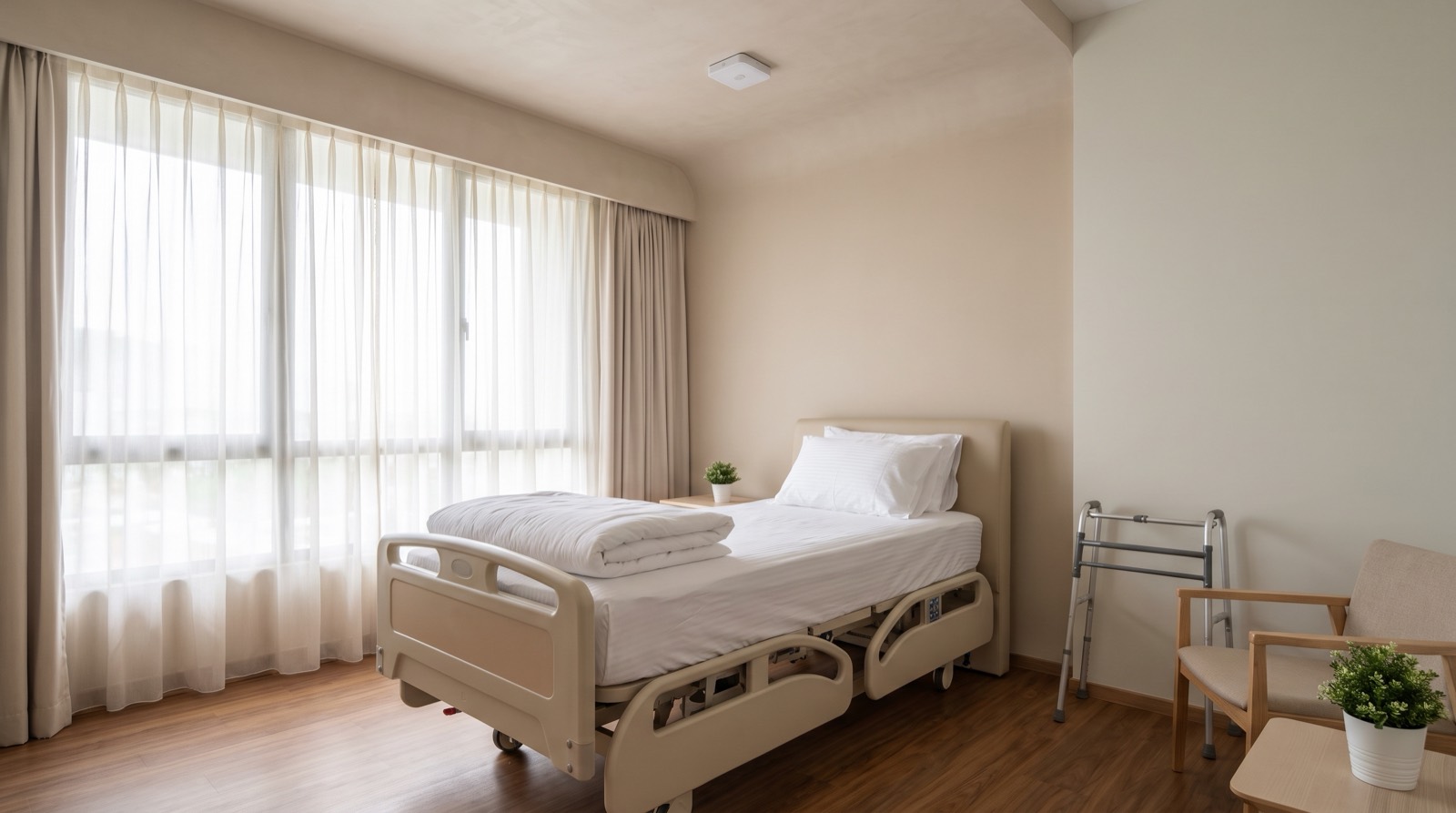
Smart elderly care home Malaysia and adaptable classroom spaces: presence-based signals in senior living, occupancy-driven teaching spaces, and honest limits.
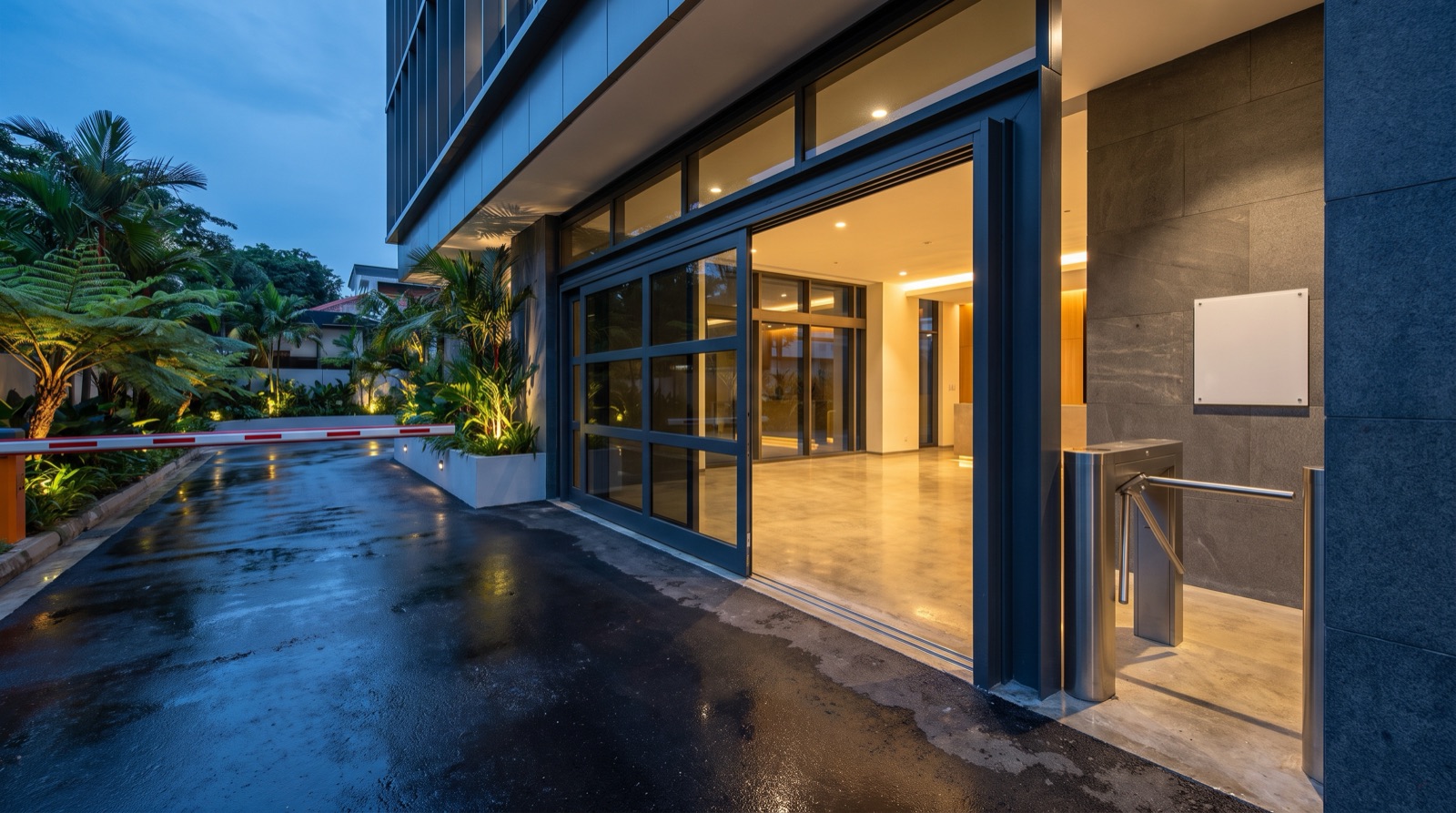
Commercial access control for smart buildings in Malaysia: which doors to automate, how presence sensing cuts after-hours cost, and the limits of CCTV integration.
Smart building capex, opex and service charge in Malaysia explained: the landlord and tenant boundary, capital or operating spend, and a responsibility matrix.
Tell us about your space. Our B2B team will reply within one business day with a recommended setup and quotation.
WhatsApp us →
[email protected]
+603-5880 5486