







Smart Home Site Survey Malaysia: A Room-by-Room Checklist
A smart home site survey Malaysia checklist: how to record neutral presence, back box depth and circuit ID at every switch position, before you quote.
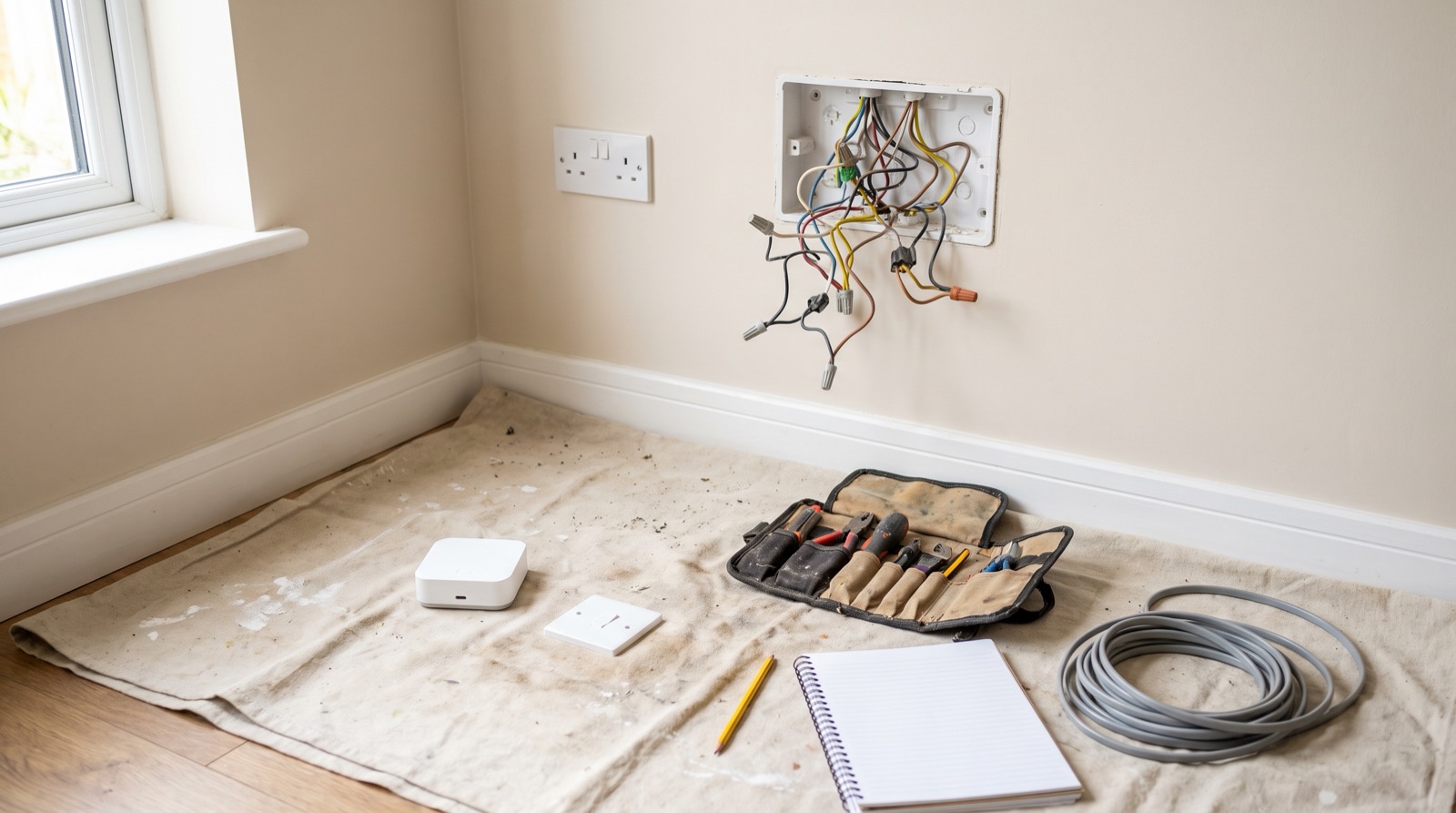
Answer up front — It will happen. The survey said there was a neutral and there is not, the box is shallower than it looked, the wall is hollow behind the plasterboard, or a circuit is shared in a way nobody expected. The professional response is the same every time: stop, do not improvise, photograph and record what you actually found, and go back to the client with options and a cost change — not a silent workaround and not an absorbed loss. A change process agreed in writing before the first day of work is what protects both sides when that conversation happens.
Because it looks bad. A post that says "sometimes we get the survey wrong" does not read like marketing.
It is also the post that matters most, and here is the reason. In this trade, your reputation is the only asset most of us have, and reputation is not built on the jobs that go right. It is built on what happens in the twenty minutes after something does not. A client whose wall is open and who gets a clear, priced, written options list has been dealt with properly. A client whose wall is open and who is told "no problem, we'll make it work" has been handed a problem they will describe to everyone they know.
The trap is not making the mistake. The trap is improvising your way past it.
| What you find | How it usually presents | What it usually means |
|---|---|---|
| No neutral at the switch box | Live and switched live only | Loop-in wiring at the ceiling rose, which is most lighting in Malaysia |
| Back box shallower than measured | Module will not seat, terminals will not close | Measured the cover plate, not the internal depth |
| Hollow wall | Fixing has nothing sound to bite into | Plasterboard on studs, and the stud is not where the box is |
| Circuit shared unexpectedly | Tripping under load, or a load you did not plan for | The board does not match the labels, or an old alteration nobody documented |
| Load different from the plan | Aircon on a lighting circuit, heater on a lighting circuit | A previous owner, or a previous installer, made a decision nobody recorded |
The common thread is that the survey recorded what was visible, and the fault is in what was not. A box cover tells you nothing about depth. A label tells you nothing about what is on the circuit. This is not carelessness — it is the limit of what a non-invasive survey can establish, and pretending otherwise is how the whole trade loses credibility.
Not "work around it". Stop. Do not chase a neutral on the spot because it seems faster. Do not swap in a device from your van because the box is inconvenient. Do not trim a conductor to make something fit.
The reason to stop is not process for its own sake. It is that the moment you improvise, the client loses the ability to see the decision you made on their wall. And an undocumented workaround is exactly what surfaces as a fault in three years with nobody able to explain what was done.
Before anything else: photograph the open box, the conductors, the box interior, the board position of the relevant circuit, and the wall condition. Photograph it with a reference in frame — a tape measure showing the depth, not a guess written on the back of your hand.
Write down what you found in plain language: "no neutral present at bedroom 2 switch box, live and switched live only, box internal depth does not clear the module."
That record is worth real money to you, because it is the evidence for the variation. It is also worth money to the client, because it turns "the installer says" into something they can see and check.
This is the step most people get wrong, and the difference is everything.
A problem sounds like: "the survey was wrong, so this will cost more."
Options sound like: "Here is what I found, here are the three ways forward, here is what each one costs and what each one means for the rest of the job."
Bring at least two, ideally three. And say what each one costs you in time, mess and future flexibility — the client is making a decision about their house, not about electronics, and they are weighing a chase against a different device.
Send the finding, the photographs, the options and the prices in writing the same day. Get the choice confirmed in writing before you resume. Then work to the confirmed option, not the one you would have chosen.
A verbal "yes, go ahead" on a doorstep at 5pm is not a record. It is a memory.
| Finding | Solvable on the day? | What you do |
|---|---|---|
| No neutral at the switch box | Yes | Fit a no-neutral device instead of a rewired one — and be honest about the trade-offs, including minimum load and LED behaviour |
| Box too shallow for the module | Sometimes | A deeper box, if the wall allows without damage. Otherwise not a same-day fix |
| Wall is hollow behind the plate | Yes | Appropriate fixings into sound substrate — the plate will otherwise work loose |
| Load needs a different device class | Yes, if you have it | The right 20A-class device for an aircon or water heater circuit rather than a lighting plate |
| The product physically does not fit the space | No | A different product, or the box changed. Not a same-day decision |
| The load cannot be carried by the existing circuit | No | This is electrical work by a registered wireman, planned properly, not improvised on the install day |
| The client wants an outcome the wiring will not support | No | Stop and re-plan with them |
The pattern in the first column is that the answer changes the product, not the building. The second column is where the building has to change, and that is never a same-day conversation.
This is the single thing that turns an awkward moment into a normal one, and it costs nothing to put in the quotation.
Before the first day of work, agree in writing:
None of this is adversarial. It is the opposite: it means that when the wall is open and the survey is wrong, nobody is improvising because both sides already know the process. Clients who are told this upfront are usually more comfortable, not less, because they can see you have thought about the failure case.
The same discipline applies to how you build the quote in the first place — contingency, exclusions, and the line items that are genuinely separate — and that is covered in quoting a smart home project.
The instinct is to absorb it. Absorb a rewire and you have quietly done a day's unpaid work and set a precedent where the next change is also absorbed. Push through and you have made a permanent decision on someone's wall without their knowledge.
Going back with options costs you an hour and a phone call. It is the cheapest reputation protection available in this trade.
And be straight about the part that matters: sometimes the survey was yours and it was not good enough. A depth measured to the cover plate rather than the box interior is a real miss. Saying so plainly — "my survey got that one wrong" — costs you nothing commercially and buys you more than an excuse would. Clients forgive an error they can see. What they do not forgive is finding out about it later.
Most of this never gets to the stop-and-return stage if the survey was done properly, because the survey is a destructive inspection. Open the boxes. Look. Measure the internal depth, not the plate. Identify circuits by isolation, not by reading labels that may belong to the previous owner. Check the wall substrate at each plate position. Check the board against what the loads are actually doing, not against the labels beside them.
The method is in how to survey a Malaysian home before quoting. The three routes for a box with no neutral — device, rewire, or relay at the ceiling rose — are set out in no-neutral, rewire or relay module, and the geometry question is in will a smart switch fit my back box. What you should be carrying when you find a problem is the cold-start test sheet, in commissioning and handover testing.
Fixed electrical work is done by a Suruhanjaya Tenaga-registered wireman under the Electricity Supply Act 1990 (Act 447). "I found a problem" is exactly when that matters.
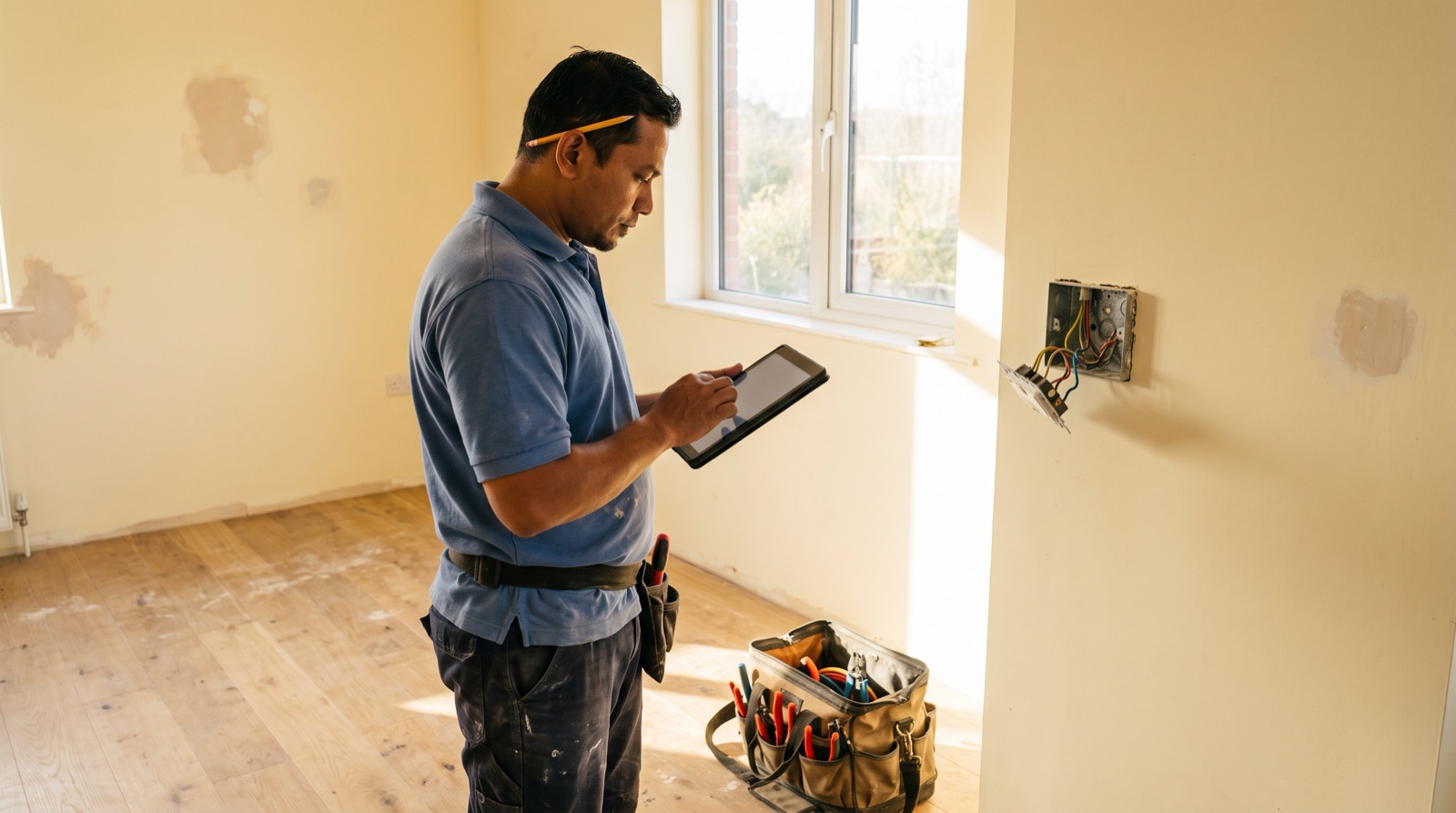
A smart home site survey Malaysia checklist: how to record neutral presence, back box depth and circuit ID at every switch position, before you quote.
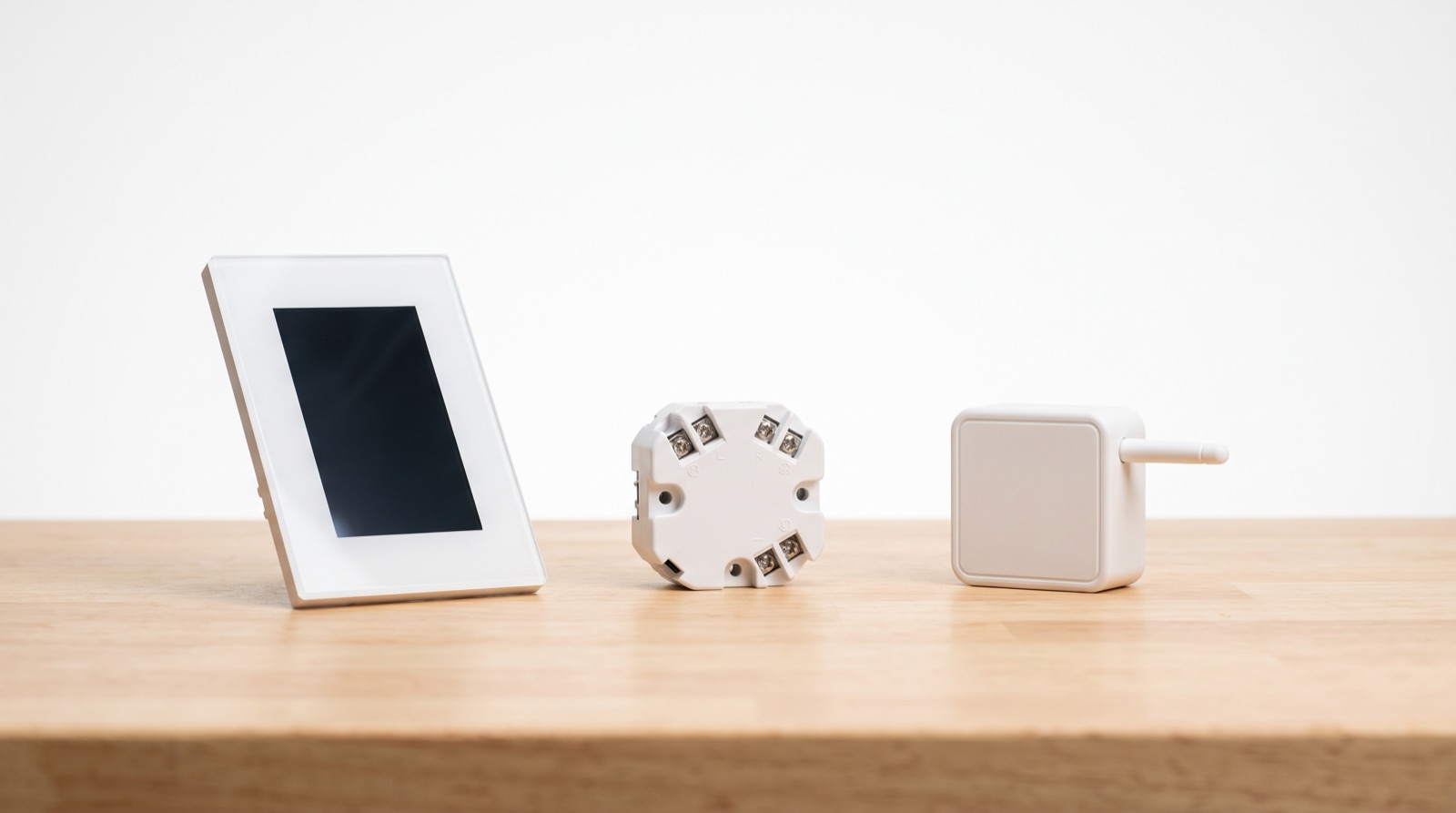
No neutral smart switch Malaysia: three honest routes when the box has no neutral - a no-neutral switch, a rewire, or a relay module at the ceiling rose.
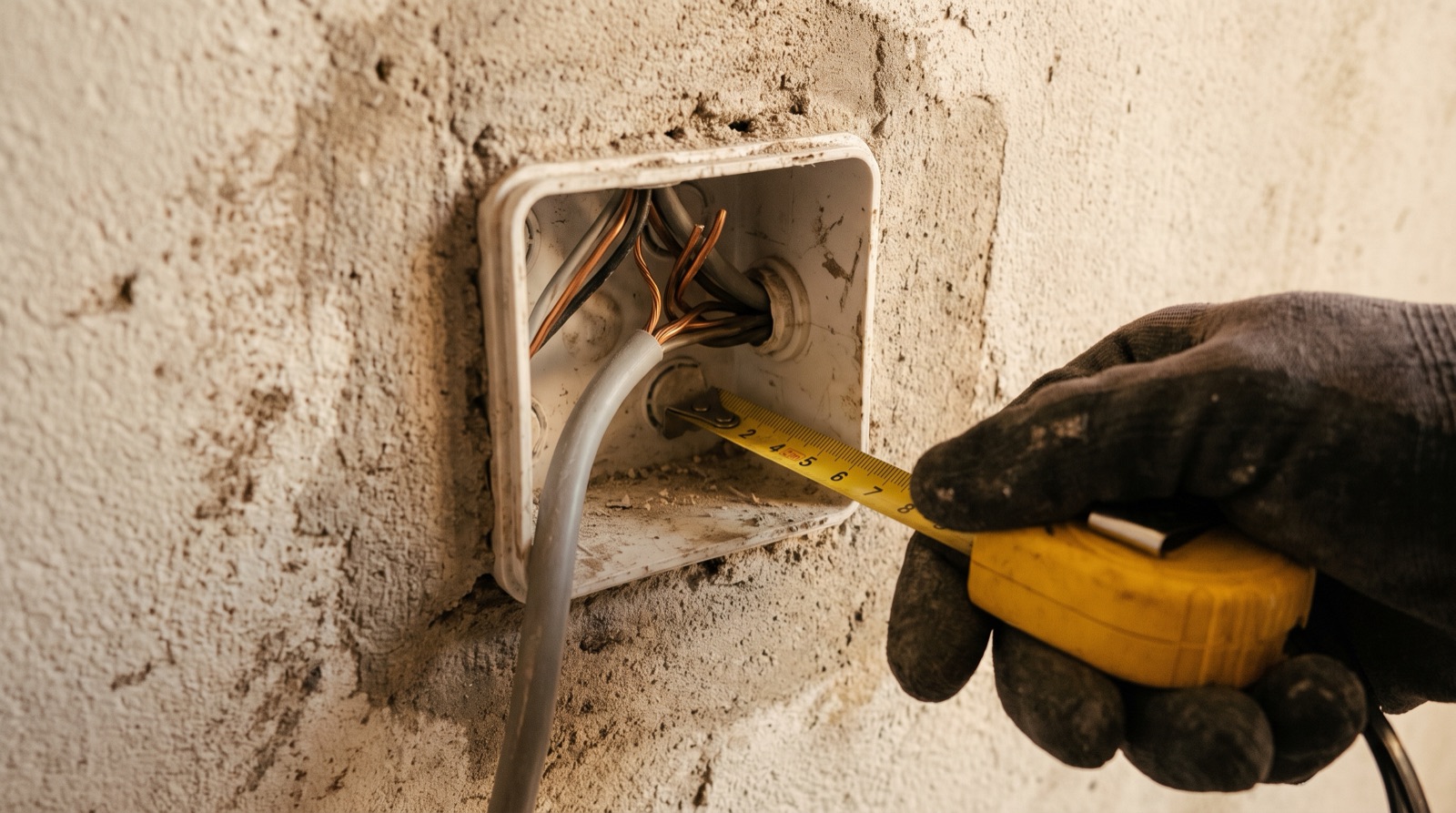
Smart switch back box Malaysia: shallow boxes are the second most common install failure after the neutral. How to measure the depth and the gang count.
Tell us about your space. Our B2B team will reply within one business day with a recommended setup and quotation.
WhatsApp us →
[email protected]
+603-5880 5486