







Does Your House Have a Neutral Wire? A Malaysia Smart Switch Guide
A neutral wire smart switch Malaysia guide: how to check whether your box has a neutral, why loop-in wiring leaves it empty, and what to do next about it.
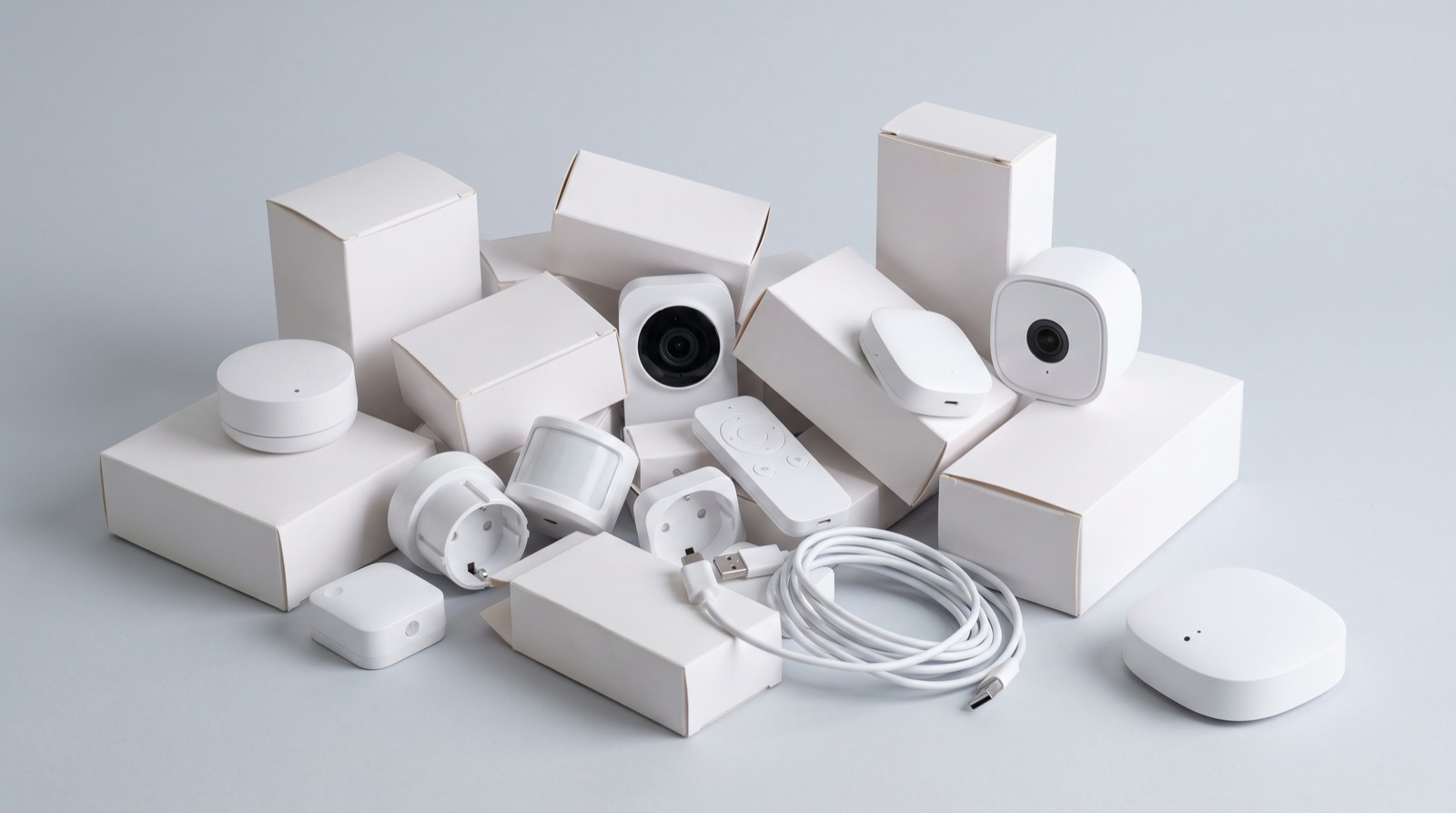
Answer up front — The mistake that causes the most damage is buying before anyone has opened your switch boxes. Everything else in this list is downstream of that one. After it come the recoverable mistakes: buying a bundle instead of solving a problem, buying sensors with no hub, mixing protocols, buying a lock that does not fit the door, buying the wrong device for the position, and buying on price with no local support behind it. Each of them has a check you can do before you spend anything, and that check is usually free.
This is not a list of things customers have told us happened, because we are not going to dress up guesswork as data. It is the list of mistakes that matter in Malaysian homes, ordered by how much they cost, with the check that prevents each one.
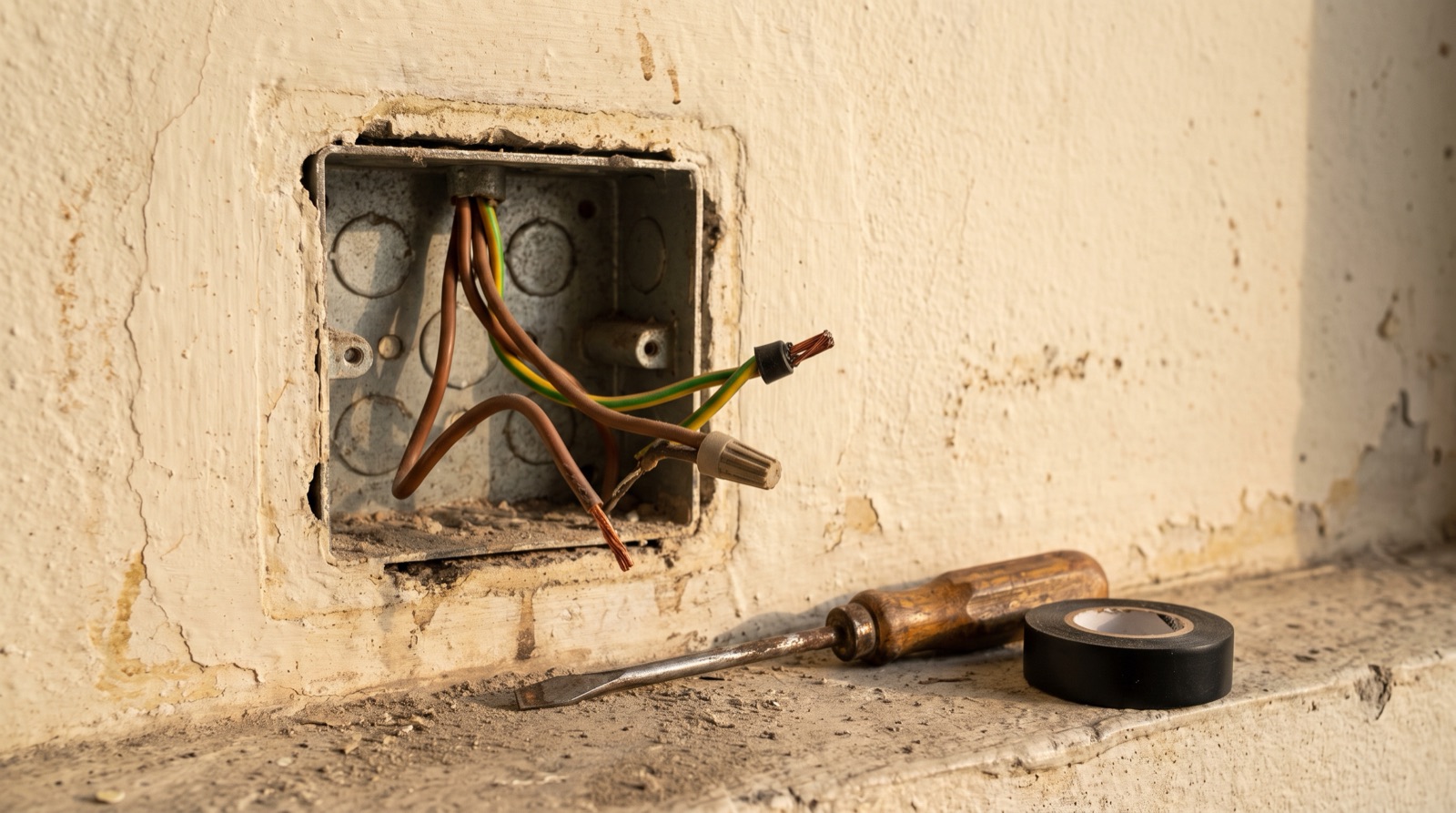
Malaysia runs 230V single-phase. Lighting is almost always loop-in wired at the ceiling rose: live and neutral both arrive at the light point, and only a switch wire — a switched live — drops down to the wall switch. The switch box therefore has live and switched live, and no neutral.
A conventional smart switch needs a neutral to power its own electronics — the radio, the microprocessor, the indicator LED — when the load is off. Buy the switch first and you may find, on installation day, that it does not work at that position and cannot be made to work without running a new wire.
Three things make this worse in Malaysia specifically:
The check is opening the boxes and looking, and that is a job for a wireman registered with Suruhanjaya Tenaga, not a screwdriver on a Saturday. The neutral wire post covers the options in full.
Cost of the mistake: a wall opening, a chase, patching and repainting, per position, for a device already paid for.
The bundle is cheaper per item. It is also a bet that all of it is right, and you have not done the work to know that.
Pick the one annoyance in your week — the hallway light, the aircon left on, the front door — solve it properly, and live with it for a month. You will learn more in that month than from any comparison table, and month two will tell you what to buy next. What to automate first helps you pick.
Bundle buying also concentrates the risk: one bad assumption — a box too shallow, a hub on bad Wi-Fi — invalidates all five at once.
Aqara is Zigbee-first. Sensors, switches and many locks do little on their own without a hub in the middle.
Sensors are the most attractive thing in the range to buy on impulse — small, affordable next to a lock, and they promise automations. Bought without a hub, they are shelf ornaments. This is the most common sequence of all: sensors first, hub three weeks later, half the excitement gone.
The check: before anything else, decide the hub. It sets what you can add for years.
This is where a well-meant purchase goes wrong. Zigbee, Wi-Fi and Matter are three different things, and devices from different ecosystems do not just merge.
The specific trap in the Aqara range:
So "I have a hub" is not an answer. "I have a hub that is the right kind of hub for this device" is. Aqara vs Sonoff vs Shelly vs Tuya is useful background, and the Matter controller post settles the specifics.
A smart lock is a hardware decision about a physical door, and the product page does not tell you whether your door works.
A face-recognition lock such as the Smart Lock D200i is a substantial purchase to make before you have confirmed the door. A lock bought blind may need returning, and a returned lock is a much more annoying problem than a delayed one. Smart lock installation across door types shows what an installer checks.
Outdoor thinking, indoor reality: you buy for the car porch or the gate without checking the datasheet, and it is not rated for that position. Equatorial sun, wind-driven monsoon rain and year-round humidity are a different design condition from a living room.
Indoor device, outdoor expectation: you buy an ordinary indoor sensor, plan to mount it on the gate post, and it lasts until the first real monsoon month.
The check: an IP rating is a specific claim that must appear on the datasheet for the exact model. If there is no IP line, the manufacturer is not claiming one, and the device is indoor. Ask us for the datasheet for the model you are considering. Monsoon and outdoor sensor placement goes position by position.
The price is the part you can see. The part that shows up at 8pm on a Sunday is whether anyone answers.
A cheaper device with no local warranty is not a cheaper device. It is a device you will replace rather than repair. This is where buying through Synchroweb, the official Aqara distributor in Malaysia, and its certified installers does actual work rather than being a line on a website.
A survey feels like paying twice — once to be told what to do, once to do it. But look at what it removes from the list above: the neutral question (1), the back box question (1), the door fit question (5), the hub and protocol question (4), and the labour figure you otherwise have to guess. How to survey a Malaysian home before quoting explains what happens on the visit.
It also does something no shopping trip can do: it gives you a hardware quote and a labour quote as two separate numbers. A single bundled number is a number you cannot compare.
| Mistake | What it looks like at the shop | What it costs you | The check that prevents it |
|---|---|---|---|
| Buying before checking for a neutral | "I will find out when the electrician comes" | Chase, patch, repaint, per position | Open the boxes. Registered wireman |
| Buying a bundle, not a problem | A big box because the per-item price is better | One wrong assumption invalidates all of it | Solve one annoyance, live with it a month |
| Sensors with no hub | Cart full of small devices | A shelf, and a delayed project | Decide the hub before anything else |
| Mixing protocols | "I have a hub, so it will pair" | Devices that will never pair | Write down the hub and the protocol first |
| A lock for the wrong door | Buying on the photo | Return, or a modification to the door | Confirm door type, backset, thickness, swing |
| Wrong device for the position | An indoor sensor for the car porch | Failure in the first monsoon month | Datasheet, exact model, IP line or it is indoor |
| Price alone | Cheapest listing, no questions asked | No warranty, no support, replace not repair | Confirm local stock, local warranty, a person to call |
| No survey | "We will sort it out on the day" | One bundled number, no way to compare | Book the survey before you buy anything |
Book the survey. Then decide the hub. Then solve one problem properly. Then expand over three months rather than three days, keeping the hardware list and the labour list as two separate numbers for the whole project.
A neutral wire smart switch Malaysia guide: how to check whether your box has a neutral, why loop-in wiring leaves it empty, and what to do next about it.
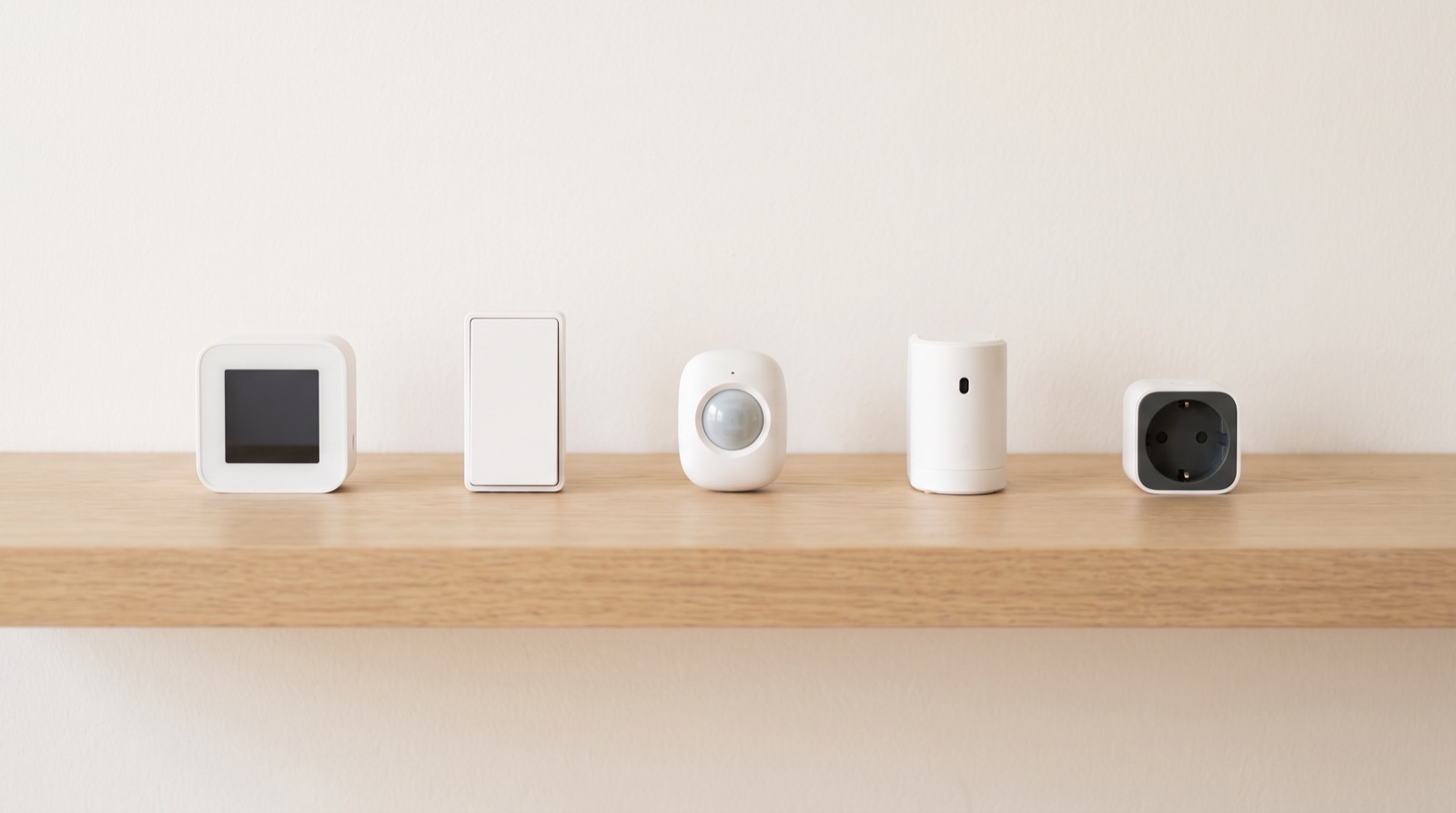
Aqara vs Sonoff in Malaysia compared on price, hub needs, local control and after-sales support, plus where the cheap brands genuinely win. As at Sept 2026.
Smart home cost in Malaysia: rough RM500, RM2,000 and RM10,000 budget bands, what each one typically covers, and why installation labour is a separate line.
Tell us about your space. Our B2B team will reply within one business day with a recommended setup and quotation.
WhatsApp us →
[email protected]
+603-5880 5486