







Does Your House Have a Neutral Wire? A Malaysia Smart Switch Guide
A neutral wire smart switch Malaysia guide: how to check whether your box has a neutral, why loop-in wiring leaves it empty, and what to do next about it.
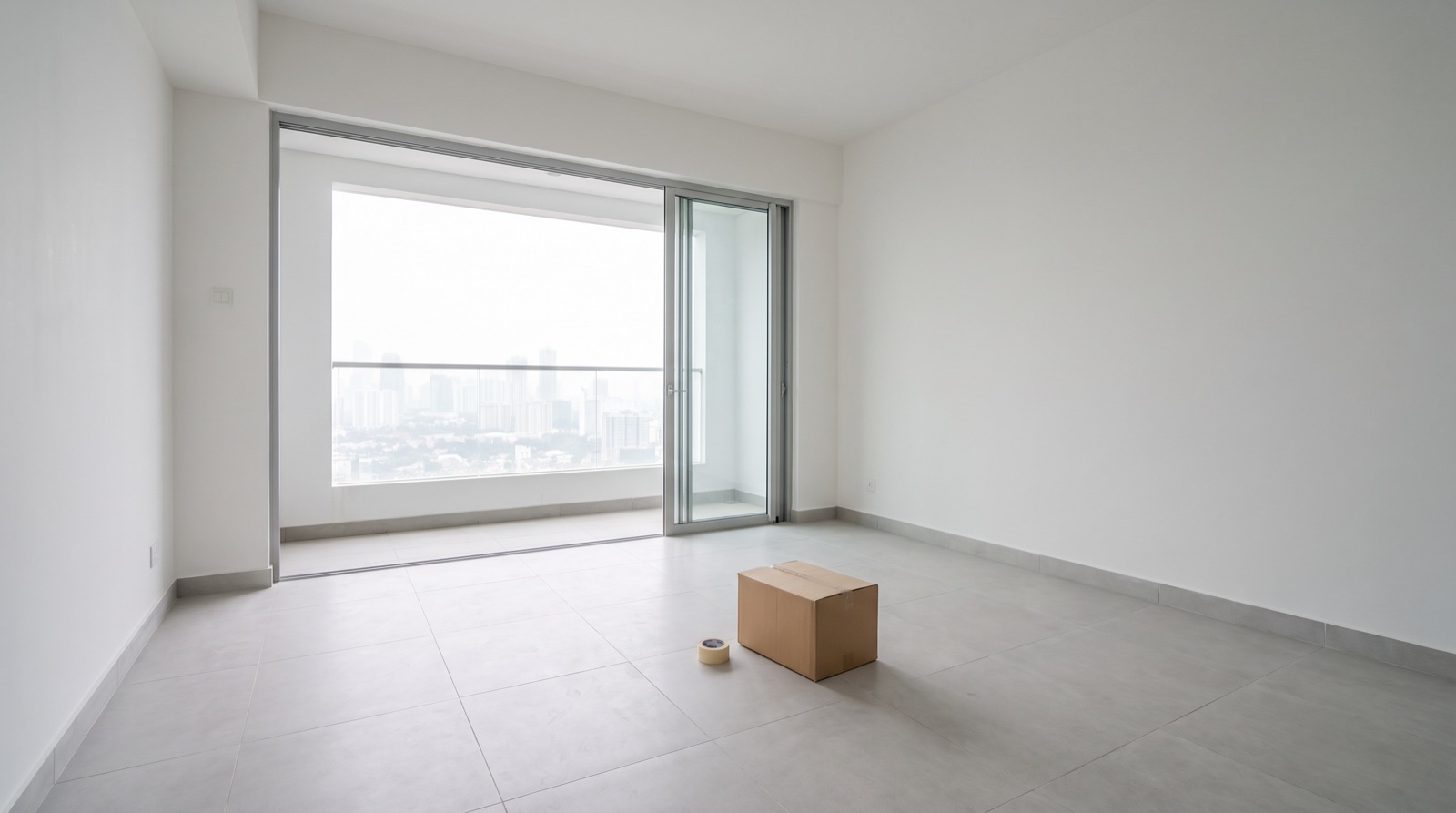
Answer up front — The first month after handover is the only month you get two things at once: a unit with no furniture against the walls, and a developer's defect rectification period still open. Use the second one only for defects — your own smart home additions are not covered by it. What to do in month one is: report defects, test the lighting wiring while the unit is empty, get a site survey done, and install the wireless devices first so you have a working smart home before the paint dries.
A bare unit is the cheapest smart home you will ever get. No curtains to move, no sofa to shift, no skirting board to argue with. The walls are accessible, the switches are reachable, and nothing is built around them yet.
There is a second reason, and it is the one people get wrong. Your sale and purchase agreement comes with a defect rectification period — a window in which the developer is obliged to attend to defects in the work the developer carried out. That period and what counts as a defect are set out in your agreement. Check the dates in your SPA, or ask your agent, rather than taking a number from the internet. In practice, unit defects go through your agent to the developer, and common-area defects go to the management corporation; the exact process differs from project to project, so confirm yours.
The part that matters is the boundary:
The rectification period covers the developer's works. Anything you add yourself is yours.
If you fit a smart switch, chase a wall for cable, or drill into a wet area, that is your addition, and nobody is obliged to fix it for free in twelve months' time. Do not treat the open defects window as permission to renovate.
Walk every room with a phone and record: water marks, ceiling stains, wall cracks, window operation, door alignment, leaking points, and anything that does not close or latch. Photograph with something in frame for scale. Note the date.
Send it through your agent in writing the same week. The clock is not on your side, and an item reported months late invites the argument that it was caused by something you did.
This is the step that pays for itself. At handover, your lighting is almost always traditional loop-in wiring at the ceiling rose — live and neutral both arrive at the light point, and only a switch wire drops down to the wall switch. The switch box therefore has live and switched live, and no neutral. A conventional smart switch needs a neutral to power itself when the load is off, so in a box like that it will work for five minutes and then go offline every time you turn the light off.
You do not need to guess. Have the boxes opened and looked at, room by room, while the unit is still empty. The full explanation is in Does your house have a neutral wire?, and the three honest answers — no-neutral device, rewire, or a relay module at the rose — are in No neutral, rewire, or relay module.
Two other things to check while you are there: the depth of the back box, because a Malaysian back box is often too shallow for a smart module plus the existing conductors, and the gang count on each plate. Will a smart switch fit my back box? covers that one.
A room-by-room survey before any furniture goes in is worth doing for a simple reason: it is the only moment when a wall can be opened, a socket can be dropped and a cable run can be chased without a fight. Afterwards, every one of those jobs is a disruption to a finished home.
The survey checklist and what to record at each position is in Smart home site survey Malaysia: a room-by-room checklist.
You do not have to wait for the survey. Sensors, bulbs, a hub and a smart plug need no wall work at all, and a working system in month one means you find out what you actually want before you have spent anything on the harder part.
| Do in month one | Why now | Wall work |
|---|---|---|
| Hub, set up and named | Everything pairs through it | None |
| Door and window sensor on the main door | Your first line of "is it locked" | None |
| Motion sensor in the corridor or hallway | The cheapest automation you will ever build | None |
| Smart bulbs in the rooms you use most | Immediate result, no switches replaced | None |
| Smart plug (Power Plug H2 UK) for a standing fan | Proves the app works day to day | None |
| Ceiling light where the rose allows it | Fits the neutral that is already there | Check the rose first |
| Video doorbell at the door | Before the furniture and plants go in | Fixing only |
Typical month-one devices are the Motion Sensor P1, the Door and Window Sensor P2, the LED Bulb T2 and the Doorbell Camera Hub G410. Ask us for current pricing and stock. Spec sheets for the full range are in the resource hub.
Here is the part people want to skip.
A new condominium unit is handed over finished. Rewiring the lighting to bring a neutral down to a switch box in a finished unit means chasing walls, patching, painting, and possibly touching a waterproofed wet area. That is not a Saturday job and it is not a contractor's freebie. Fixed electrical work must be done by a wireman registered with Suruhanjaya Tenaga, under the Electricity Supply Act 1990 (Act 447), and for mains-powered products look for a SIRIM label and Energy Commission approval.
So the right ambition in month one is not "re-wire the condo". It is:
The relay module is the option most people in new units underestimate: it sits at the ceiling rose, where the neutral already is, and the ordinary wall switch stays where it is. The trade-off is ceiling rose space and the need for a wireman. Both are covered in No neutral, rewire, or relay module.
| Do now, in the first month | Do later, after you have settled in |
|---|---|
| Report and document defects in writing | Automations, once the devices are reliable |
| Open the switch boxes and record the answer | Anything on a wall that is already decorated |
| Hub, sensors, bulbs, plugs | Smart switches on the rewire-friendly circuits only |
| Doorbell, before the plants and furniture land | Curtains, once you know where the sockets are |
| Curtain track survey — power at the window is the hard part | Locks, once you have confirmed what your management allows (condo rules and management permissions) |
If your unit was sold with a smart home specification already written into it, the developer's own handover material is the place to start. What that specification should contain — and what your agent should be checking on your behalf — is covered in Condo smart home handover spec for developers. It is written for the developer's side of the table, but it tells you exactly what to ask for.
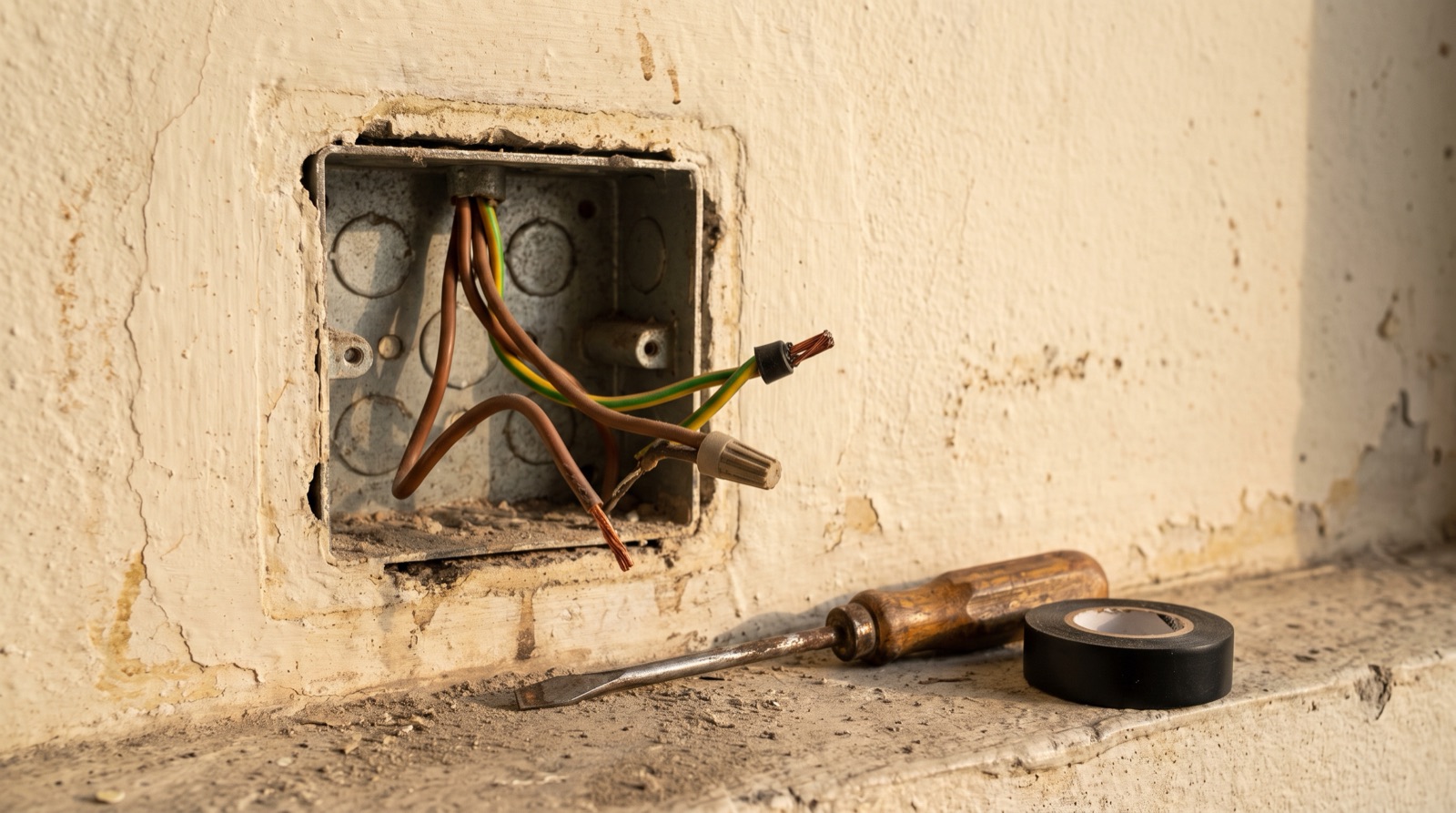
A neutral wire smart switch Malaysia guide: how to check whether your box has a neutral, why loop-in wiring leaves it empty, and what to do next about it.
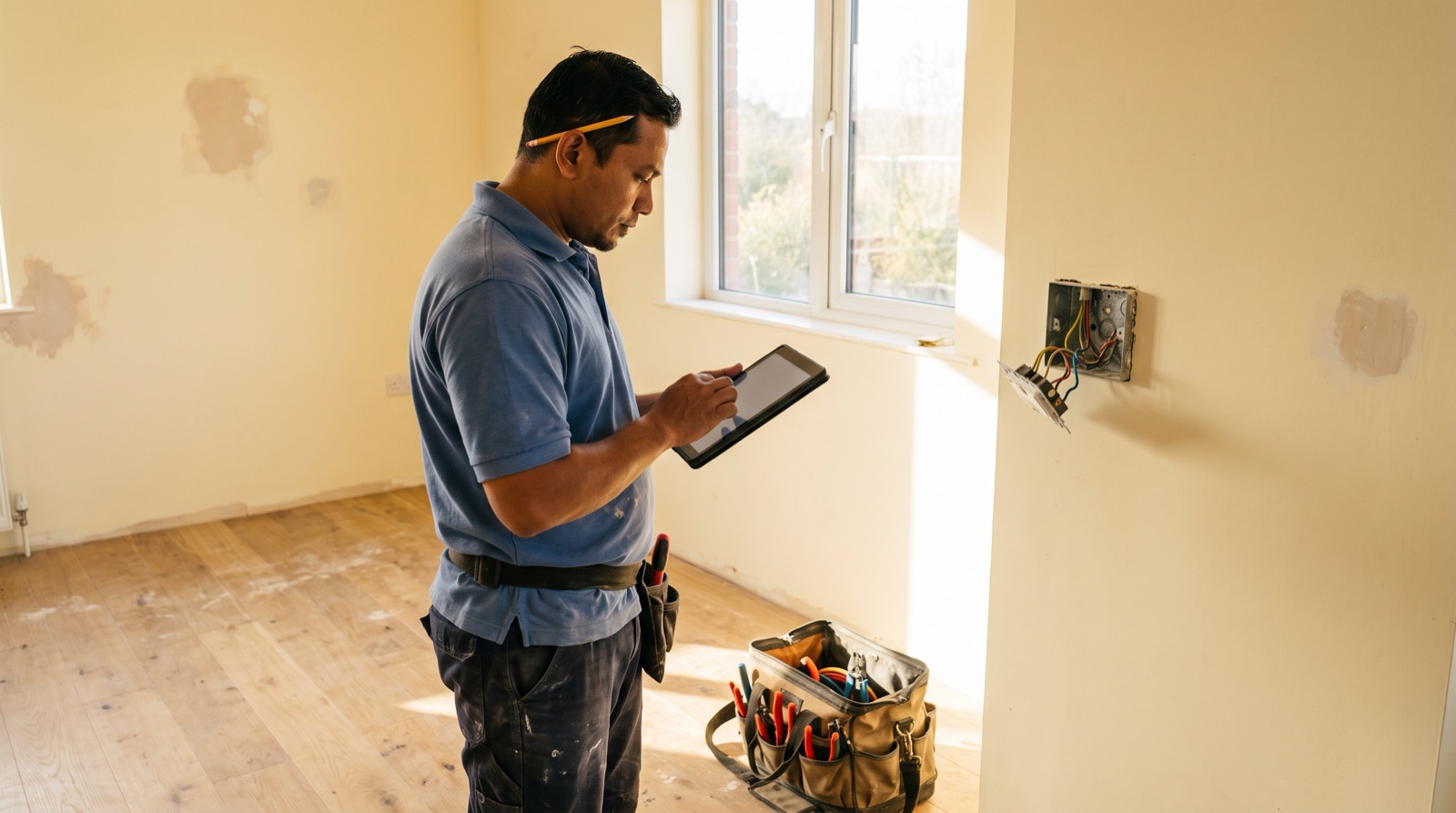
A smart home site survey Malaysia checklist: how to record neutral presence, back box depth and circuit ID at every switch position, before you quote.
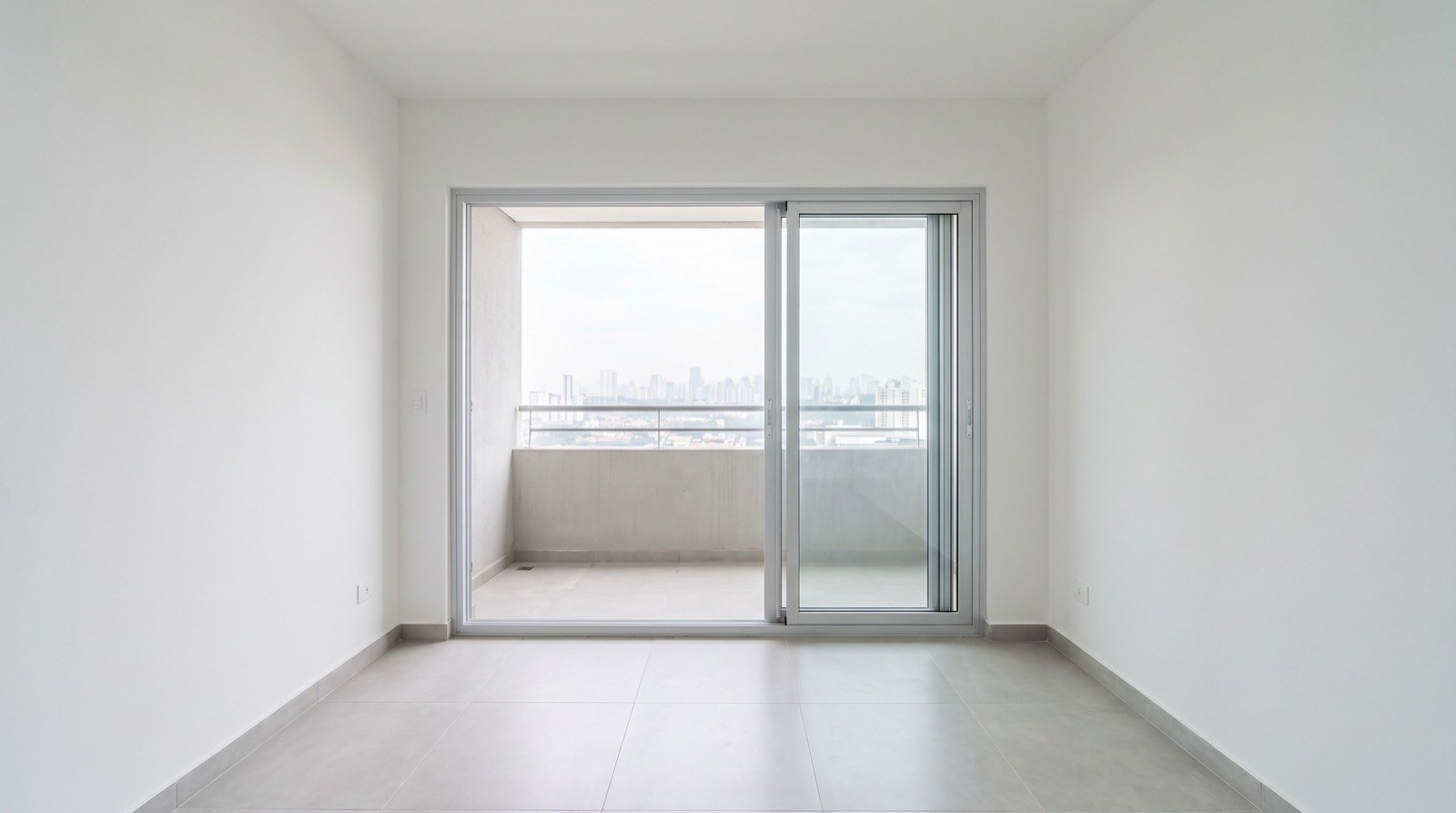
Condo smart home handover spec for Malaysian developers: the neutral, the network points, the back box depth and the panel position to write into the drawings.
Tell us about your space. Our B2B team will reply within one business day with a recommended setup and quotation.
WhatsApp us →
[email protected]
+603-5880 5486