







How much does a smart home cost in Malaysia? RM500 to RM10,000
Smart home cost in Malaysia: rough RM500, RM2,000 and RM10,000 budget bands, what each one typically covers, and why installation labour is a separate line.
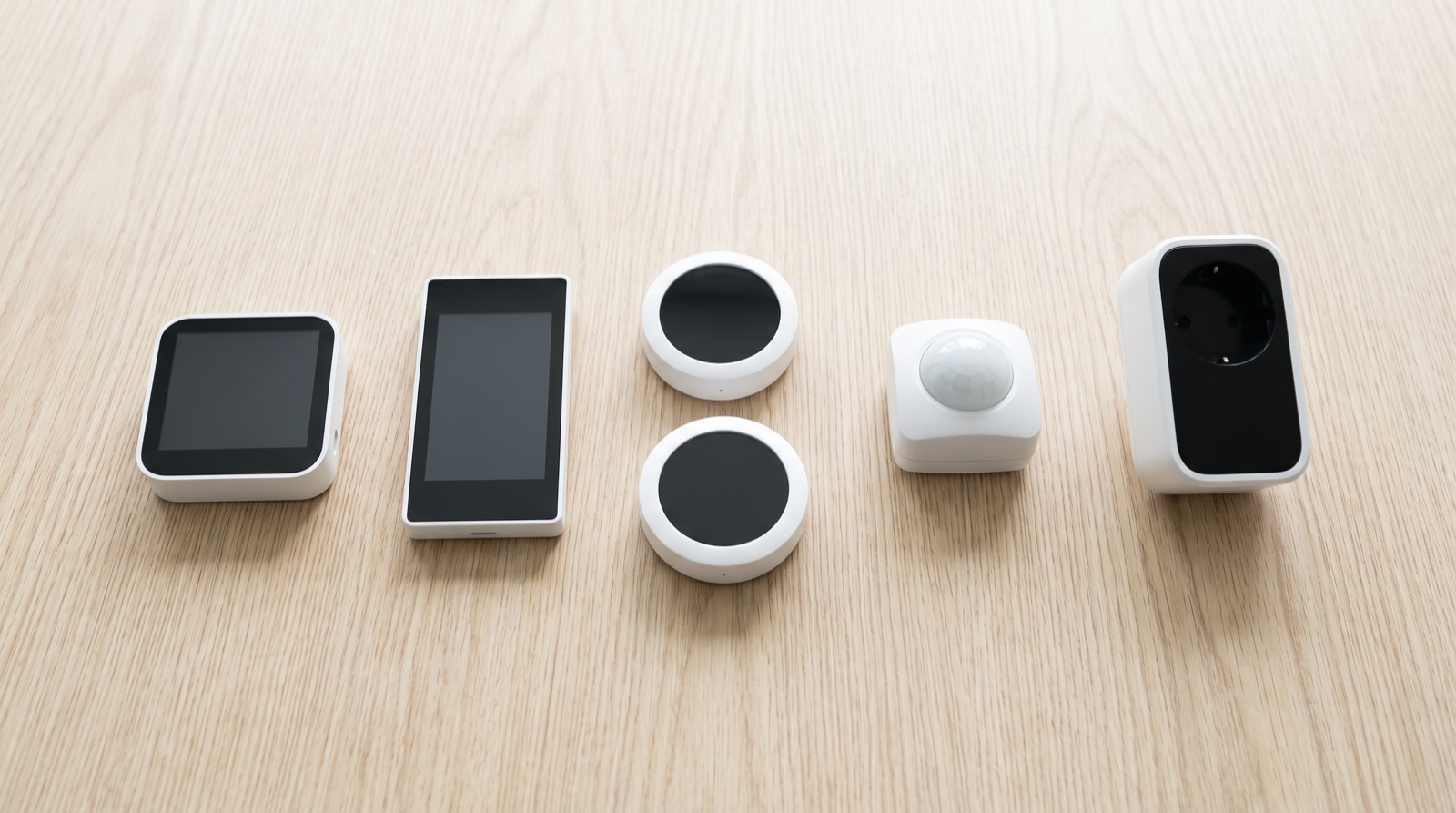
Answer up front — There is no single Aqara starter kit. You choose a hub, then the devices you actually need, and the right first bundle depends on what you live in. A rented studio needs a hub plus free-standing devices and nothing that touches a wall. A family condo needs a hub, lighting and sensors. A landed terrace needs the same across more rooms, plus the front of the house. A new-condo handover is the one case where you buy almost nothing yet and get the wiring planned instead. Every home is different, so Synchroweb quotes per home rather than publishing a fixed bundle price.
Before any bundle: a hub. Aqara is Zigbee-first, and sensors and switches sitting on a shelf without one do nothing.
The current Malaysian range gives you a few routes:
One thing to settle early: adding Matter accessories, including Matter over Thread, requires a Matter controller such as the Hub M3, set up in Aqara Home first. Zigbee devices can be added through the Hub M3 or the S1 Plus, because the S1 Plus is a Zigbee hub itself. Matter devices added through the Hub M3 can then be controlled from the S1 Plus, but the S1 Plus is not the Matter controller. See Matter with Aqara: what needs a Matter controller for the detail.
For current pricing on any of the devices below, ask us. We quote per home, with the devices and the labour listed separately.
The constraint is not budget. It is permission and tenancy: you cannot chase walls without the landlord's consent, you should not drill, and you will move out eventually. Everything here is free-standing, plug-in or stick-on. Smart home when you rent goes further on the rental side.
Minimum viable set — a hub, one smart bulb, one motion sensor. Enough to find out whether you actually like living with it.
The sensible "good" set — same base, plus devices that turn the room into something that reacts.
Nothing in that list needs a neutral, a back box or a wireman, which is the whole point in a rental.
Add later: a curtain. The Curtain Driver E1 is a battery clip-on unit that fits onto an existing track or rod, so there is no socket to add, but check that it suits your track first.
Not yet: a smart lock (you do not own the door) and any in-wall switch (strip it out on moving day and you have left a hole and a different back box).
The most common unit type in Malaysia, and the easiest to do well, because you own the inside and condo management rarely cares about devices inside your own walls. Check condo rules and management permissions before anything touches the facade or the corridor.
Minimum viable set — a hub, one ceiling light in the living room, one motion sensor.
The sensible "good" set — lighting across the main spaces, sensors in the corridors and doorways, and the aircon handled properly.
That is a 3-bedroom condo with a lighting foundation, sensor points at the doors and corridors, and the aircon or water heater under control. It is the shape most people should aim for.
Not yet: the MagicPad S1 Plus (one control surface per home is usually enough, and it needs the right wall box), the Smart Lock D200i (a front door lock is a decision about the door, not about the app — see do you actually need a smart lock?), and curtains on every window (look at the track before you buy four).
More rooms, more points, and often two floors. The hub decision is the same; the difference is range, and a second floor may need attention to the Zigbee mesh.
Minimum viable set — a hub, the main ceiling lights, and two motion sensors. Lighting is where you feel the change every single day.
The sensible "good" set — the minimum plus the front of the house and the water.
On a terrace, the next purchases are usually the front of the house: the Doorbell Camera Hub G410 at the door and a Camera Hub G5 Pro covering the porch. The third is water. A Water Leak Sensor T1 under the washing machine and the kitchen sink is the cheapest first step, and an automatic water shut-off valve is worth planning with your plumber rather than retrofitting in a panic. Water leak, gas, smoke and valve protection covers that side.
Not yet: the D200i before a survey (a terrace front door is often metal or double-leaf, and the install is not a swap); curtain motors for every window at once (living and dining first, measure, then expand); and a wall touchscreen such as the Panel Switch S100 or MagicPad S1 Plus until the box format has been checked at that position.
This is the only bundle where the correct answer is to buy almost nothing.
Minimum viable set: a site survey, before the false ceiling goes up. That is the whole recommendation.
The sensible "good" set is a list you hand to your wireman and your renovation contractor, not a shopping list:
Then, after handover, buy the Bundle 2 set. The first month after condo handover walks through the order.
What to deliberately not buy yet:
| Home type | Buy first | Add second | Not yet |
|---|---|---|---|
| Studio / 1-bed rental | Free-standing hub + LED Bulb T2 + Motion Sensor P1 | Door and window sensor, Wireless Remote Switch H1, Power Plug H2 UK | Lock, in-wall switches |
| Family condo (3-bedroom) | Hub + Ceiling Light T1M + Motion Sensor P1 | More sensors, LED Bulb T2, Smart 20A Switch H1 | MagicPad S1 Plus, D200i, curtains everywhere |
| Landed terrace | Hub + Ceiling Light T1M + 2× Motion Sensor P1 | Doorbell Camera Hub G410, Camera Hub G5 Pro, Water Leak Sensor T1 | D200i before a survey, curtains everywhere |
| New condo handover | Site survey | Bundle 2 set after handover | Any switch, panel or lock |
Sensors and lighting first, locks and panels last. Lighting is what changes your day. A sensor is what makes an automation possible. A front door lock is a hardware and door-type problem that deserves a survey more than a shopping trip.
And the hub is never optional, and it is the one decision that is expensive to reverse. Get it right once. Zigbee, Wi-Fi or Matter: choosing a hub sets out the choice.
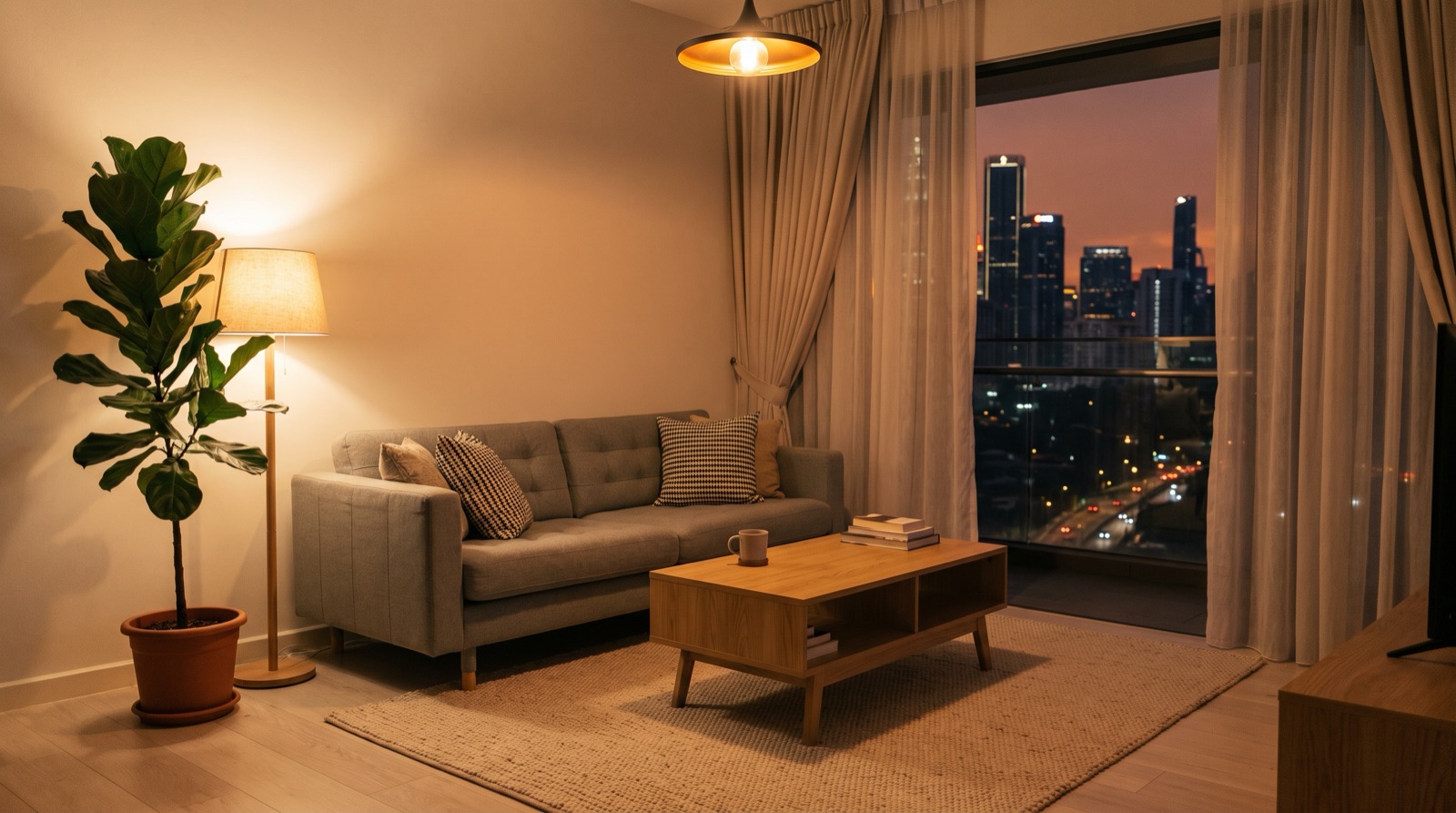
Smart home cost in Malaysia: rough RM500, RM2,000 and RM10,000 budget bands, what each one typically covers, and why installation labour is a separate line.
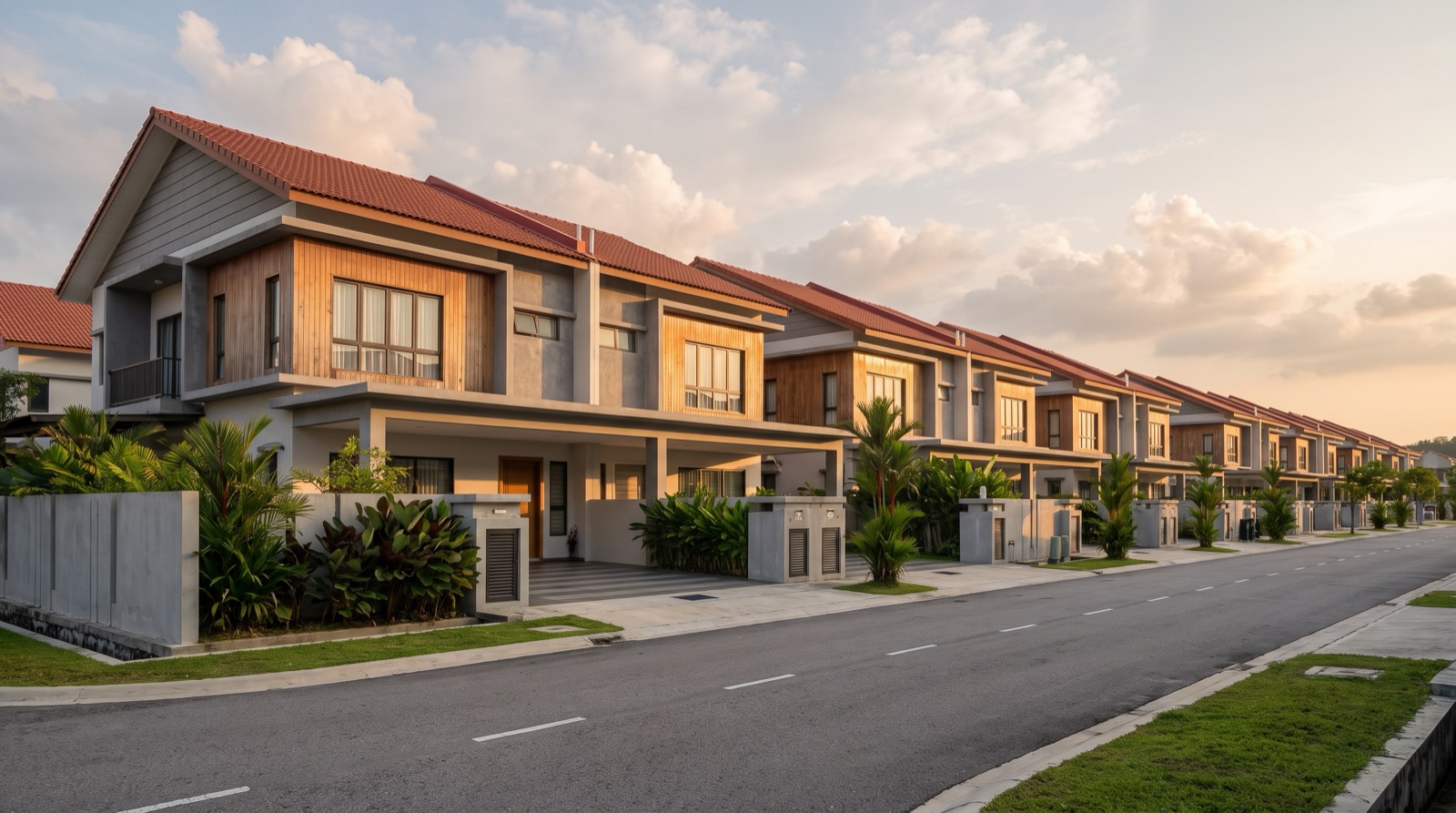
Smart home retrofit Malaysia house type: what is easy, what is painful, and what it costs to start - terrace, shop lot, walk-up and new high-rise unit.
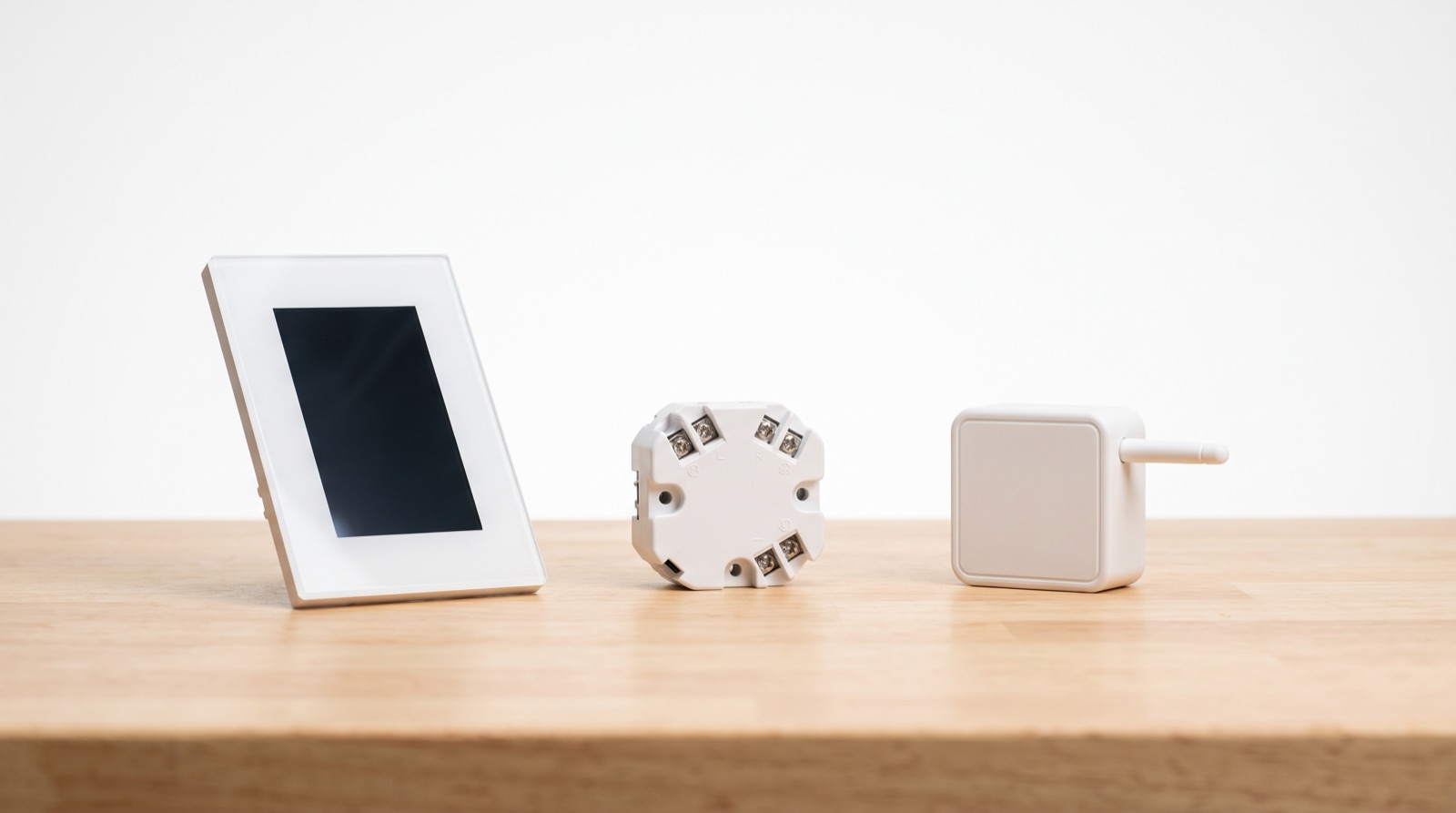
No neutral smart switch Malaysia: three honest routes when the box has no neutral - a no-neutral switch, a rewire, or a relay module at the ceiling rose.
Tell us about your space. Our B2B team will reply within one business day with a recommended setup and quotation.
WhatsApp us →
[email protected]
+603-5880 5486